
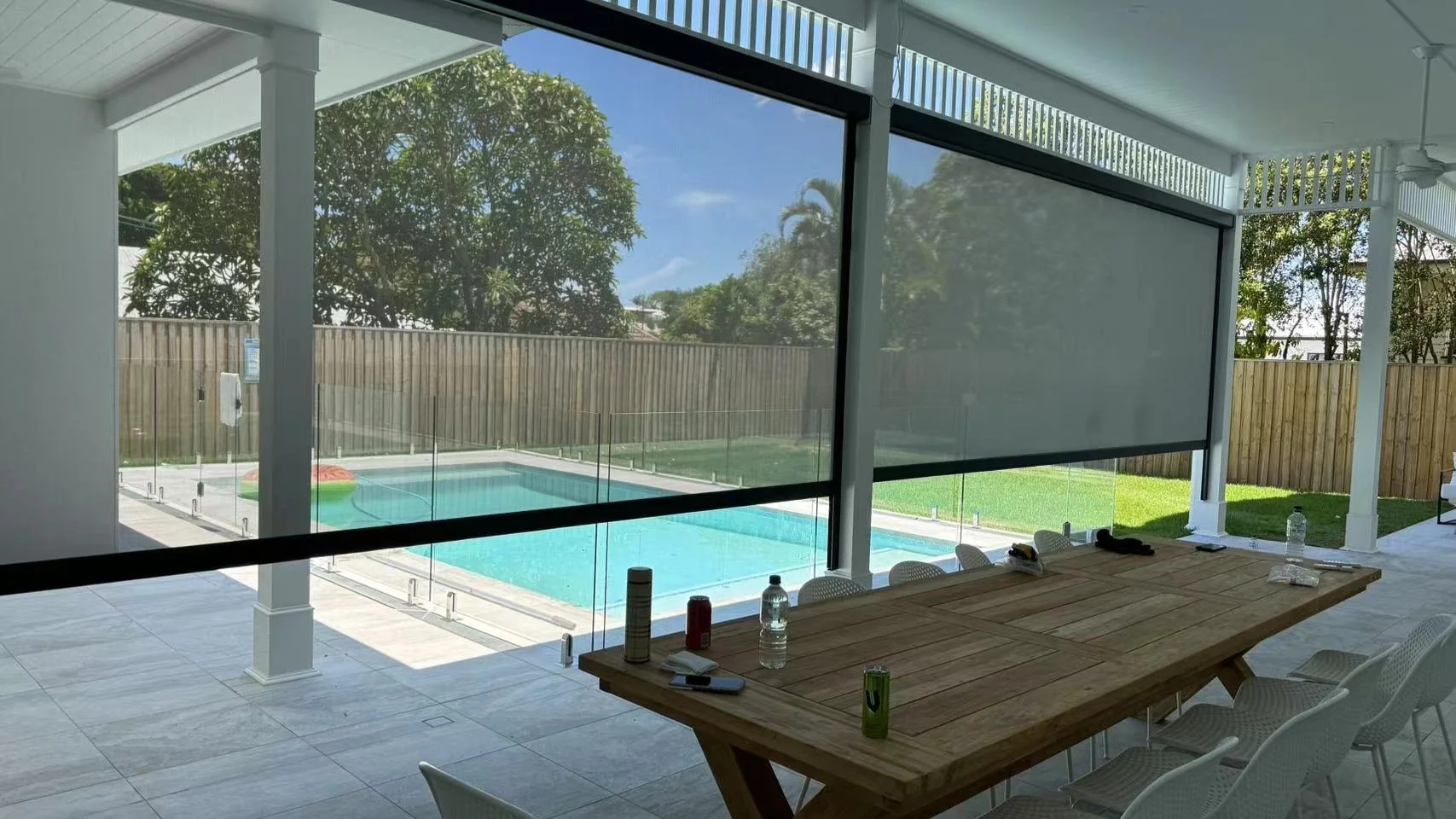
ZipScreen Outdoor Blinds – Embracing a Lifestyle Closer to Nature
Discover ZENDECOR ZipScreen outdoor blinds with integrated guide rails, flexible sun control, and refined aesthetics for comfortable outdoor living spaces.
In modern architecture, the boundaries between indoor and outdoor spaces are becoming increasingly blurred. Spacious balconies, terraces, gardens, expansive glazing systems, and outdoor relaxation areas not only enhance aesthetic appeal but also allow people to establish a deeper connection with nature.
However, how to fully enjoy open spaces while minimizing the effects of sunlight, wind, and changing weather conditions remains an important consideration for homeowners, architects, and property developers.
ZENDECOR ZipScreen outdoor blinds offer a modern shading solution that combines advanced side-guide technology, specialized fabrics, and a minimalist design philosophy. Beyond providing flexible light control, ZipScreen helps extend living spaces, enhance everyday comfort, and complement the architectural beauty of contemporary buildings.
1. What Are ZipScreen Outdoor Blinds?
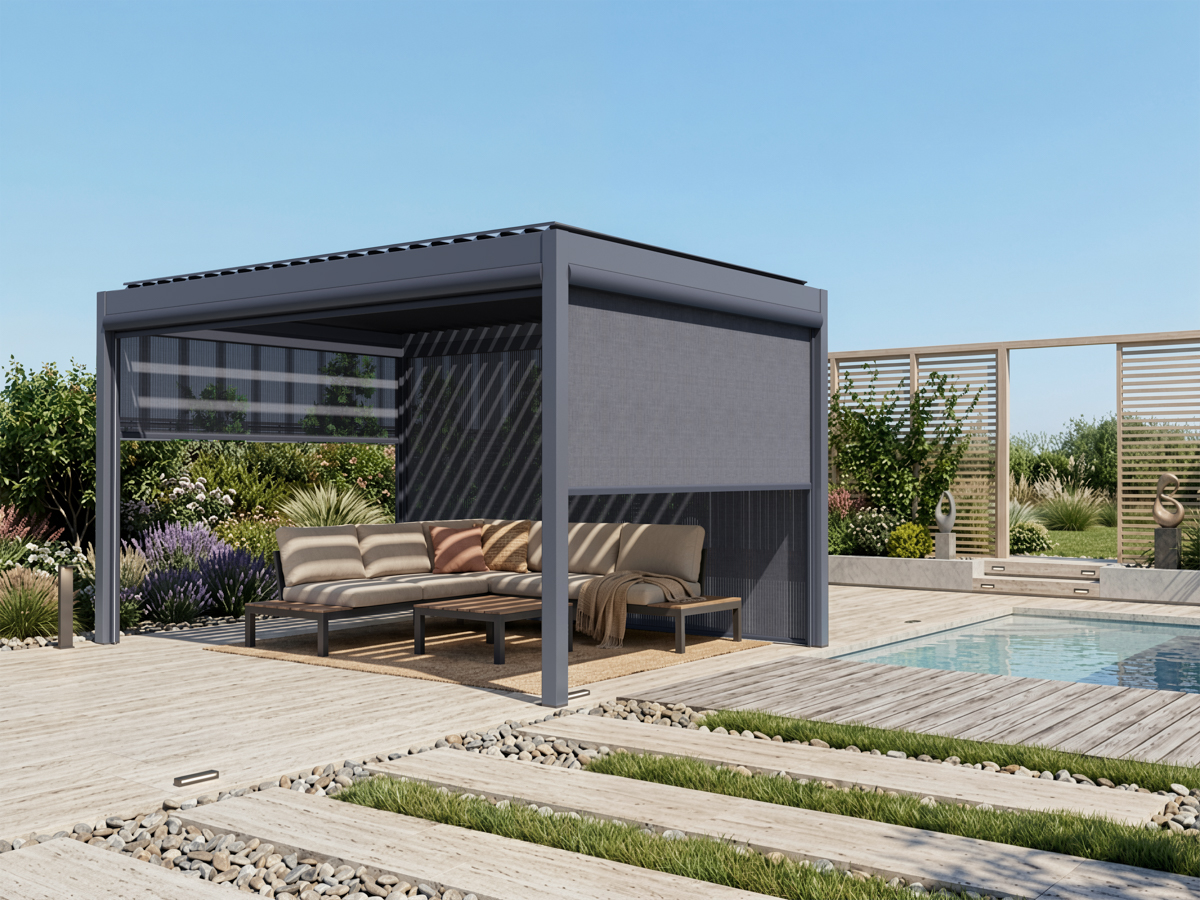
ZipScreen outdoor blinds are specialized roller blind systems designed for outdoor and semi-outdoor areas, including balconies, terraces, pergolas, glazed openings, restaurants, cafés, and hospitality spaces.
What distinguishes ZipScreen from conventional roller blinds is its dual side-guide rail system, combined with a zip-lock mechanism that securely holds the edges of the fabric in place.
When the blind is lowered, both fabric edges remain secured within the guide rails, helping maintain fabric stability and minimize displacement or excessive movement caused by wind.
When not in use, the fabric retracts neatly onto the overhead roller tube, restoring the openness and unobstructed views of the surrounding space.
By combining technical innovation with refined aesthetics, ZipScreen outdoor blinds offer an appealing solution for architectural projects that embrace modern living, everyday comfort, and a closer connection with nature.
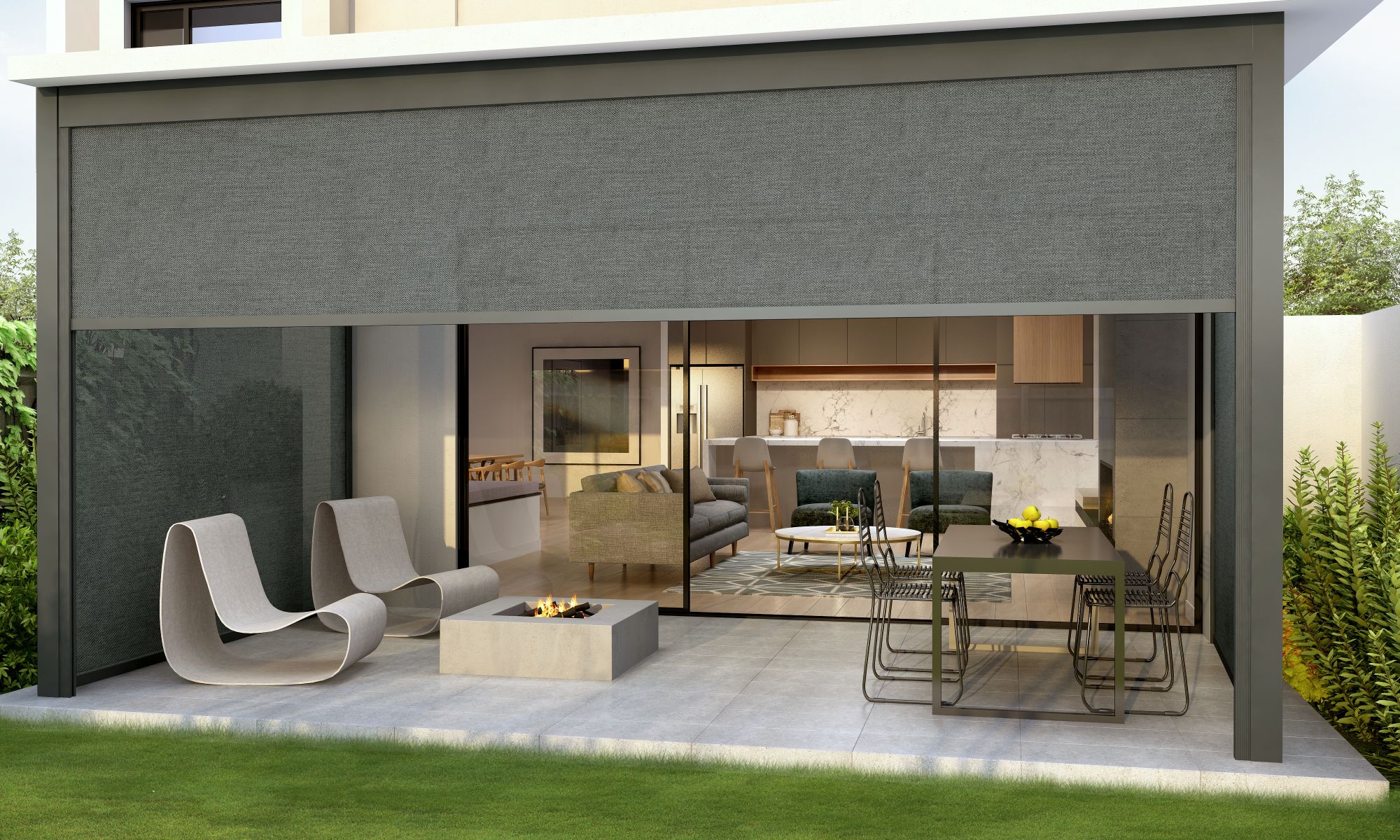
2. Components of the ZipScreen Outdoor Blind System
Unlike traditional shading solutions, ZipScreen is designed as an integrated system in which each component plays a specific role in ensuring operational performance and product stability.
Cassette and Roller Tube System
The cassette is positioned at the top of the blind, enclosing and protecting the roller tube and internal components.
Its compact design allows the system to integrate seamlessly with architectural structures while minimizing the visibility of unnecessary technical details.
Depending on the architectural characteristics of the project, the cassette can be surface-mounted or integrated into a pre-prepared structural recess.
Dual Side-Guide Rail System
The guide rail system is one of the most distinctive features of ZipScreen outdoor blinds.
The rails securely hold the fabric edges as the blind is raised or lowered, restricting uncontrolled movement and helping maintain a stable fabric surface.
This structural feature also distinguishes ZipScreen from conventional outdoor roller blinds that do not incorporate side-guide rails.
Specialized Outdoor Blind Fabrics
ZipScreen fabrics are typically selected based on several criteria, including weather resistance, dimensional stability, light-filtering performance, and the ability to reduce solar radiation.
Depending on individual requirements, customers can choose from fabrics with different openness factors, colors, and levels of light transmission.
Fabric quality plays an essential role in determining shading performance, outward visibility, aesthetic appeal, and the overall durability of the blind system.
Bottom Rail
The bottom rail provides structure to the lower edge of the blind, helping maintain fabric tension and stability during operation.
When combined with the dual side-guide rails, the bottom rail contributes to a smooth, uniform, and refined fabric surface.
Control System
ZipScreen outdoor blinds can be operated manually or through a motorized mechanism, depending on the product configuration.
Motorized blind systems can be operated using wall switches, remote controls, or compatible smart home systems, offering greater convenience and flexibility in everyday use.
3. Key Advantages of ZipScreen Outdoor Blinds
Effective Sun Control from Outside the Building
One of the most notable advantages of ZipScreen outdoor blinds is their ability to intercept sunlight before it directly reaches glazed surfaces or living areas.
Compared with relying solely on indoor blinds, external shading solutions can help reduce solar heat gain within interior spaces more effectively under suitable conditions.
For buildings featuring expansive glass façades or west-facing windows, outdoor blinds are particularly worth considering as part of an integrated light and thermal management strategy.
Helping Reduce the Effects of UV Radiation
Certain specialized ZipScreen fabrics are designed to reduce the amount of ultraviolet radiation passing through the blind surface.
This helps protect interior materials, wooden furniture, sofas, flooring, and other furnishings that are frequently exposed to sunlight.
The actual level of protection depends on the technical specifications of the selected fabric, its openness factor, and the installation configuration.
Enhanced Stability in Windy Conditions
The side-guide rail system, combined with the fabric edge-retention mechanism, provides greater stability than conventional roller blinds with freely hanging fabric edges.
As a result, ZipScreen can help minimize fabric movement, displacement, and contact with surrounding structures under suitable wind conditions.
However, actual wind resistance must be evaluated based on the blind dimensions, product configuration, installation structure, and the wind resistance classification specified by the manufacturer.
Maintaining a Connection with Nature
Not every shading solution needs to create a completely enclosed or opaque surface.
With appropriately selected mesh fabrics, ZipScreen outdoor blinds can help reduce glare and direct sunlight while preserving a degree of outward visibility and connection with the surrounding landscape.
This advantage is particularly valuable for garden villas, apartments with scenic balconies, resorts, restaurants, and outdoor cafés.
Extending Outdoor Living Spaces
Balconies, terraces, and outdoor entertaining areas are often underutilized due to intense sunlight or changing weather conditions.
Incorporating a suitable ZipScreen outdoor blind system can make these areas more comfortable at different times throughout the day.
Rather than serving merely as secondary spaces, terraces and balconies can become inviting environments for relaxation, reading, enjoying tea, or spending quality time with family and friends.
Enhancing the Beauty of Contemporary Architecture
With their flat fabric surfaces, streamlined guide rails, and compact structural design, ZipScreen outdoor blinds integrate effortlessly with a wide range of architectural styles.
The system minimizes visual clutter, helping preserve the architectural coherence of building façades while highlighting the natural beauty of glass, wood, stone, metal, and other exterior materials.
Through the harmonious integration of functionality and aesthetics, ZipScreen contributes to a refined architectural appearance that complements the principles of contemporary design.
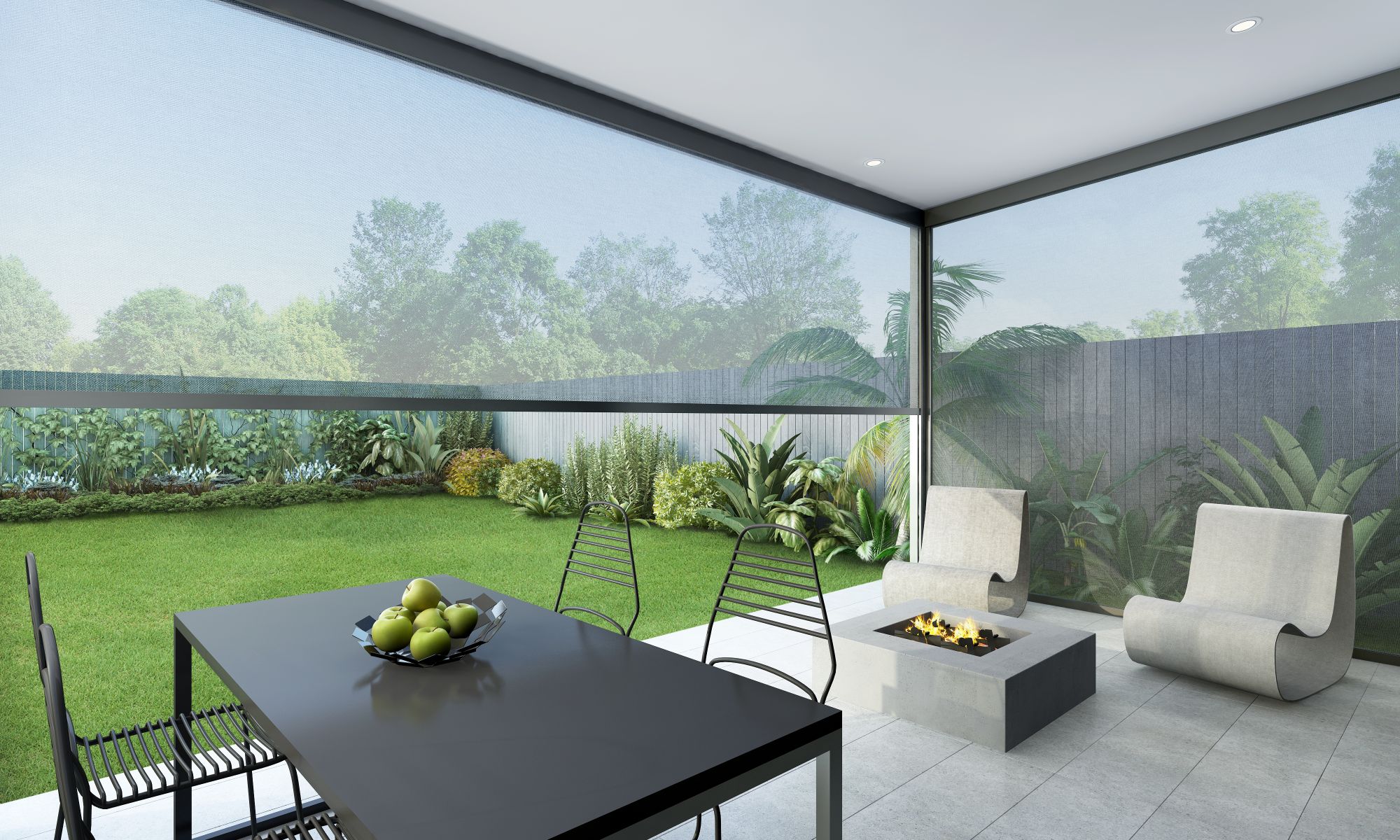
4. ZipScreen Blinds – When Shading Solutions Become an Integral Part of Architecture
In contemporary design, outdoor blinds are no longer regarded simply as accessories added after a building has been completed.
Instead, shading solutions are increasingly considered from the initial stages of architectural design to ensure harmony between functionality, materials, and visual aesthetics.
Managing Natural Light According to Functional Requirements
Natural light brings architecture to life, but its intensity must be appropriately controlled to ensure comfort.
ZipScreen allows users to adjust the level of shading throughout the day, creating a flexible transition between open and sheltered spaces.
Adding Depth to Architectural Façades
When harmoniously integrated with glazing systems, aluminum frames, and architectural lines, ZipScreen blinds can create a refined transitional layer between interior and exterior spaces.
The changing interplay of light across the fabric surface also creates different visual effects, bringing greater depth and character to the building.
Balancing Privacy and Outward Visibility
An ideal relaxation space should maintain a connection with nature while providing the necessary level of privacy.
By selecting suitable fabric colors and openness factors, ZipScreen can help achieve a balance between these two requirements.
When using light-filtering mesh fabrics, it is important to note that privacy levels may vary depending on interior and exterior lighting conditions, particularly at night.
5. Applications of ZipScreen Outdoor Blinds in Different Spaces
ZipScreen Blinds for Apartment Balconies
Balconies provide homeowners with a connection to the outdoors while frequently being exposed to direct sunlight and wind.
ZipScreen blinds help regulate natural light, reduce glare, and enhance privacy in balcony areas.
When combined with comfortable outdoor furniture, greenery, and natural materials, a balcony can become an inspiring retreat within the apartment.
For high-rise residential buildings, wind conditions, building management regulations, and technical requirements should be carefully considered before selecting a suitable blind system.
ZipScreen Blinds for Villa Terraces
Terraces serve as transitional spaces between residential architecture and surrounding garden landscapes.
Installing ZipScreen blinds allows homeowners to adjust the level of shading while preserving the open and airy character of the property.
Neutral tones such as beige, warm gray, light brown, and soft gray can create visual harmony with outdoor furniture and architectural materials.
ZipScreen Blinds for Pergola Systems
Pergolas are becoming increasingly popular in the design of gardens, villas, restaurants, and resorts.
When integrated with ZipScreen blinds along their sides, pergola systems can provide additional protection against lateral sunlight, help reduce wind exposure under suitable conditions, and offer flexible privacy.
This combination creates an aesthetically refined outdoor living environment with enhanced comfort and everyday convenience.
ZipScreen Blinds for Restaurants and Cafés
In hospitality and food service businesses, the spatial experience plays an important role in shaping customer perceptions.
ZipScreen outdoor blinds can help reduce direct sunlight in outdoor seating areas, creating a more comfortable environment for guests.
Their contemporary design and retractable functionality also allow restaurants and cafés to maintain a professional appearance that aligns with their brand identity.
ZipScreen Blinds for Resorts, Hotels, and Farmstays
In hospitality architecture, maintaining a strong connection with the natural landscape is always an important consideration.
ZipScreen offers a practical shading solution for guest room balconies, outdoor lounges, terraces, garden restaurants, and semi-outdoor relaxation areas.
When the appropriate fabrics, colors, and system configurations are selected, ZipScreen blinds can enhance the guest experience without compromising the natural beauty of the surrounding landscape.
ZipScreen Blinds for Expansive Glazing Systems
Buildings featuring extensive glazing benefit from abundant natural light and panoramic views. However, they also require appropriate solutions for managing solar radiation.
ZipScreen blinds installed externally can help reduce glare and limit solar heat gain within interior spaces.
This makes them a worthwhile consideration for contemporary villas, offices, showrooms, and architectural projects featuring extensive glass façades.
6. The Art of Selecting ZipScreen Blind Fabrics
Fabric selection directly influences the functional performance and aesthetic value of outdoor blinds.
Light-Filtering Mesh Fabrics
Mesh fabrics feature a woven structure with a specific openness factor, allowing a certain amount of natural light and outward visibility through the fabric surface.
These fabrics are particularly suitable for spaces where maintaining a visual connection with the surrounding landscape is important, while also helping reduce glare and direct sunlight.
Low-Openness Fabrics
Fabrics with lower openness factors generally restrict visibility and light transmission to a greater extent than fabrics with higher openness factors.
They are worth considering for areas requiring greater shading or enhanced privacy.
However, the openness factor is not the only parameter that determines solar shading performance. Fabric color, material composition, solar reflectance, and solar energy transmittance should also be taken into consideration.
Specialized Fabrics for Outdoor Environments
Outdoor blind fabrics must meet appropriate requirements for dimensional stability, resistance to environmental exposure, and compatibility with the side-guide rail system.
From ZENDECOR's professional perspective, selecting ZipScreen fabrics should go beyond considerations of color and thickness. A comprehensive assessment of sun orientation, weather conditions, outward visibility, and practical usage requirements is essential to achieving a suitable shading solution.
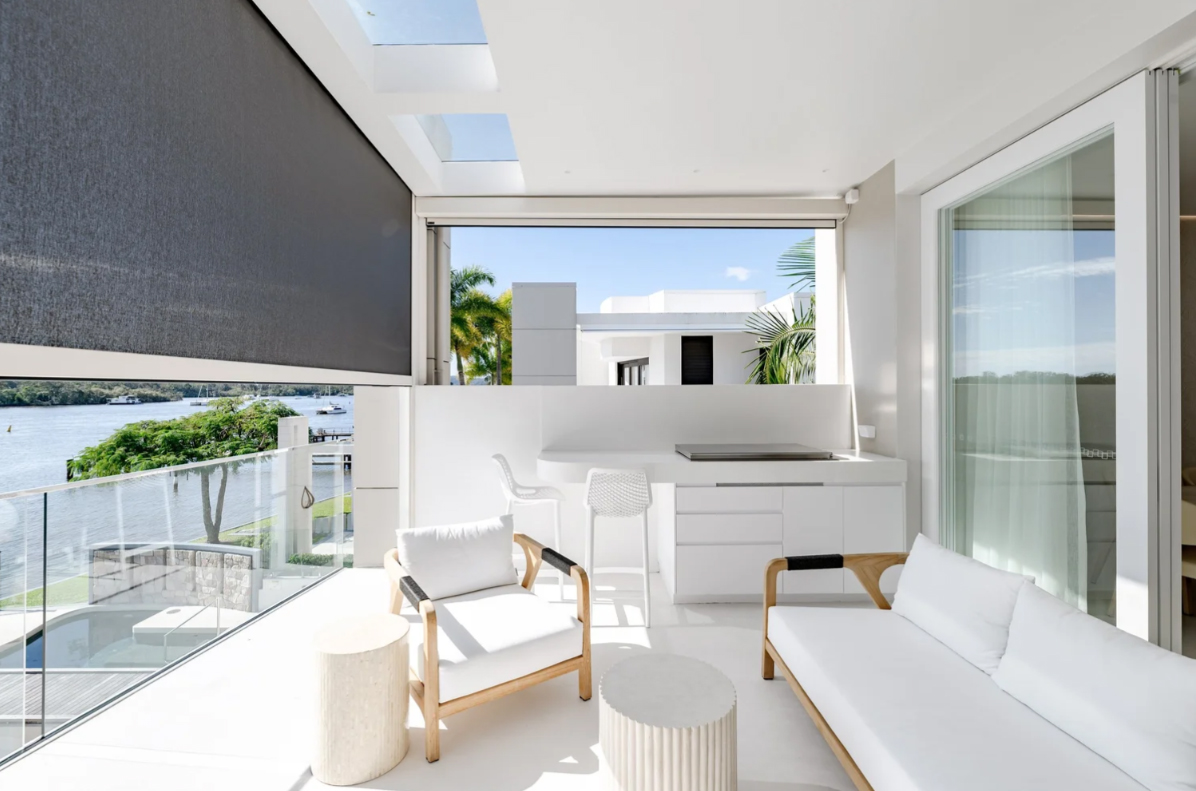
7. Choosing ZipScreen Blind Colors to Complement Architectural Design
The color of outdoor blinds not only influences aesthetic appeal but also affects the perception of light and the visual harmony of the building façade.
Beige ZipScreen Blinds: Offer a soft, natural elegance, making them ideal for garden villas, resorts, and hospitality architecture.
Cream ZipScreen Blinds: Create a bright, airy, and refined atmosphere while complementing architectural projects featuring neutral color palettes.
Gray ZipScreen Blinds: Reflect a contemporary design aesthetic, making them particularly suitable for aluminum-framed glazing systems, minimalist architecture, and commercial buildings.
Brown ZipScreen Blinds: Introduce a sense of warmth and harmonize beautifully with wood, natural stone, and nature-inspired spaces.
Black or Dark Gray ZipScreen Blinds: Deliver a bold and distinctive aesthetic, creating a striking contrast with buildings featuring predominantly light-colored finishes.
A thoughtfully selected color palette allows the blind system to integrate seamlessly into the architectural design rather than appearing as an isolated decorative element.
8. Comparing ZipScreen Blinds with Conventional Outdoor Roller Blinds
|
Criteria |
ZipScreen Blinds |
Conventional Outdoor Roller Blinds |
|---|---|---|
|
Structural design |
Side-guide rails and fabric edge-retention mechanism |
May not incorporate guide rails |
|
Fabric stability |
Fabric edges are securely retained within the guide rails |
Fabric edges may move freely |
|
Wind resistance |
Depends on wind resistance classification and system configuration |
Depends on product design and installation method |
|
Light control |
Flexible according to fabric selection |
Depends on fabric selection |
|
Aesthetic appeal |
Clean, streamlined appearance that complements architecture |
Varies according to individual designs |
|
Applications |
Balconies, pergolas, terraces, and glazing systems |
Areas with suitable shading requirements |
|
Investment cost |
Generally higher due to a more sophisticated structure |
Varies according to product configuration |
ZipScreen offers distinct advantages in fabric edge retention and overall system integration. However, selecting the most appropriate outdoor blind system should be based on the specific conditions of the project, functional requirements, and investment budget.
9. Motorized ZipScreen Blinds – Elevating the Smart Living Experience
With the advancement of smart home technology, motorized outdoor blinds are becoming an increasingly attractive solution for contemporary architectural projects.
ZipScreen blind systems equipped with integrated motors allow users to raise and lower the blinds more conveniently, particularly in large-scale installations.
Depending on the system configuration and compatible devices, motorized ZipScreen blinds may support the following features:
-
Operation via wall switches or remote controls.
-
Control through smartphone applications.
-
Scheduled opening and closing at predetermined times.
-
Integration with smart home systems.
-
Integration with compatible sun or wind sensors.
Automating window treatments not only enhances everyday convenience but also encourages a more flexible and adaptable approach to using living spaces.
For outdoor blind systems, motors, control devices, and protective measures should be carefully selected to suit actual environmental conditions.
10. Expert Tips for Choosing ZipScreen Outdoor Blinds
Assess Sun Exposure and Weather Conditions
Every architectural project has unique characteristics in terms of sun orientation, wind exposure, and environmental conditions.
A thorough on-site assessment helps determine the most suitable fabric, guide rail configuration, and installation method for the specific project.
Identify Functional Requirements
Homeowners should consider whether the primary purpose of the blind system is to provide solar shading, reduce glare, enhance privacy, or preserve outward views of the surrounding landscape.
Clearly defining these requirements will help ensure a more effective selection of fabric materials and openness factors.
Prioritize the Quality of Structural Components and Accessories
Beyond fabric quality, the side-guide rails, roller tubes, bottom rails, motors, and connecting components directly influence the stability and performance of the blind system.
A high-quality outdoor blind system should ensure compatibility between all components while meeting the technical requirements of the installation environment.
Review Wind Resistance Specifications
Wind resistance is one of the most important considerations when selecting ZipScreen outdoor blinds.
Customers should review the technical specifications published for the specific blind dimensions and system configuration rather than relying solely on general claims about wind resistance.
Ensure Architectural Harmony
The colors of the cassette, guide rails, bottom rail, and blind fabric should be carefully coordinated with window and door systems, building façades, and architectural finishing materials.
Achieving this visual and structural harmony from the initial design stage helps enhance the overall aesthetic value of the project while minimizing unnecessary additions and subsequent modifications.
11. Cleaning and Maintenance Guidelines for ZipScreen Blinds
As ZipScreen outdoor blinds are regularly exposed to external environmental conditions, periodic inspection and proper maintenance are essential to preserving their aesthetic appeal and ensuring reliable operation.
Some important maintenance recommendations include:
-
Regularly remove dust and dirt from the fabric surface according to the manufacturer's instructions.
-
Keep the side-guide rails clean and prevent the accumulation of leaves, debris, and foreign objects.
-
Avoid using harsh cleaning chemicals without confirming their compatibility with the materials.
-
Avoid applying excessive force to the fabric surface or bottom rail.
-
Avoid retracting the blinds while the fabric is still damp whenever conditions permit.
-
Retract the blinds according to the manufacturer's recommendations during strong winds, thunderstorms, or extreme weather conditions.
-
Contact a qualified technical service provider if unusual noises or irregular operation are detected.
Proper maintenance helps preserve product quality and extend the service life of the entire blind system.
12. What Factors Influence the Price of ZipScreen Outdoor Blinds?
The investment cost of ZipScreen outdoor blinds may vary depending on product configuration, dimensions, and actual installation conditions.
Factors influencing the price of ZipScreen blinds include:
-
Dimensions and number of blind systems.
-
Fabric materials, origin, and technical specifications.
-
Quality of the side-guide rails and cassette.
-
Type of motor and control system.
-
Integrated automation features.
-
Installation conditions and architectural finishing requirements.
-
Warranty policies and technical support services.
Rather than focusing solely on the initial investment cost, customers should consider the overall stability, aesthetic appeal, operational performance, and long-term functional value of the system.
A suitable outdoor blind system is one that effectively meets the specific requirements of the architectural project while remaining aligned with the investment budget.
13. Frequently Asked Questions About ZipScreen Outdoor Blinds
Are ZipScreen Blinds Rainproof?
The ability to provide protection against rain depends on the fabric material, system construction, and weather conditions. ZipScreen blinds are not inherently fully waterproof and should not be used as a substitute for dedicated weatherproof enclosure systems.
Can ZipScreen Blinds Withstand Strong Winds?
The side-guide rail system helps enhance fabric stability. However, actual wind resistance depends on the configuration, dimensions, and wind resistance classification of each product. Users should always comply with the operating limits specified by the manufacturer.
Do ZipScreen Blinds Help Reduce Heat?
ZipScreen blinds can help reduce solar radiation before it reaches glazed surfaces or living areas. Actual performance depends on fabric selection, sun orientation, openness factor, and the architectural characteristics of the building.
Can You See Outside Through ZipScreen Blinds?
Yes, provided that mesh fabrics with an appropriate openness factor are selected. The level of outward visibility depends on fabric color, woven structure, and the difference in lighting conditions on either side of the blind.
Are ZipScreen Blinds Suitable for Apartment Balconies?
ZipScreen is a worthwhile solution for balconies requiring solar shading and enhanced privacy. However, wind conditions, structural installation requirements, and building management regulations should be carefully assessed beforehand.
Can ZipScreen Blinds Be Integrated with Smart Home Systems?
Certain ZipScreen blind systems equipped with compatible motors and controllers can be integrated with smart home systems, enabling remote operation and scheduled opening and closing.
14. ZENDECOR – Creating Open Living Spaces Through Specialized Shading Solutions
At ZENDECOR, window treatments are more than just shading products. They represent solutions that connect light, materials, architecture, and the living experience.
For outdoor spaces, selecting an appropriate blind system requires careful consideration of multiple factors, ranging from climatic conditions, sun orientation, and building structures to architectural styles and functional requirements.
Through its ZipScreen outdoor shading solutions, ZENDECOR embraces the following core values:
-
Optimizing natural light control.
-
Prioritizing system stability and seamless integration.
-
Harmonizing technology, materials, and architecture.
-
Expanding outdoor living experiences.
-
Celebrating the unique architectural identity of each project.
A truly suitable shading solution not only helps protect spaces from environmental influences but also contributes to enhancing the quality of everyday living experiences.
ZipScreen outdoor blinds represent a harmonious combination of contemporary design philosophy, specialized side-guide technology, and flexible light control.
From apartment balconies, villa terraces, and pergola systems to restaurants, cafés, and resorts, ZipScreen introduces new possibilities for maximizing the potential of open spaces.
Going beyond conventional solar shading, ZipScreen outdoor blinds help shape exterior aesthetics, enhance everyday comfort, and establish a harmonious connection between architecture and nature.
ZENDECOR ZipScreen Outdoor Blinds – Master the Light, Expand Your Space, Elevate Your Living Experience.
Contact ZENDECOR for expert consultation on ZipScreen outdoor blind solutions tailored to the architectural characteristics and functional requirements of each project.
See also: ZENDECOR Roller Blinds – Minimalist Elegance and Effective Light Control
Related articles
View all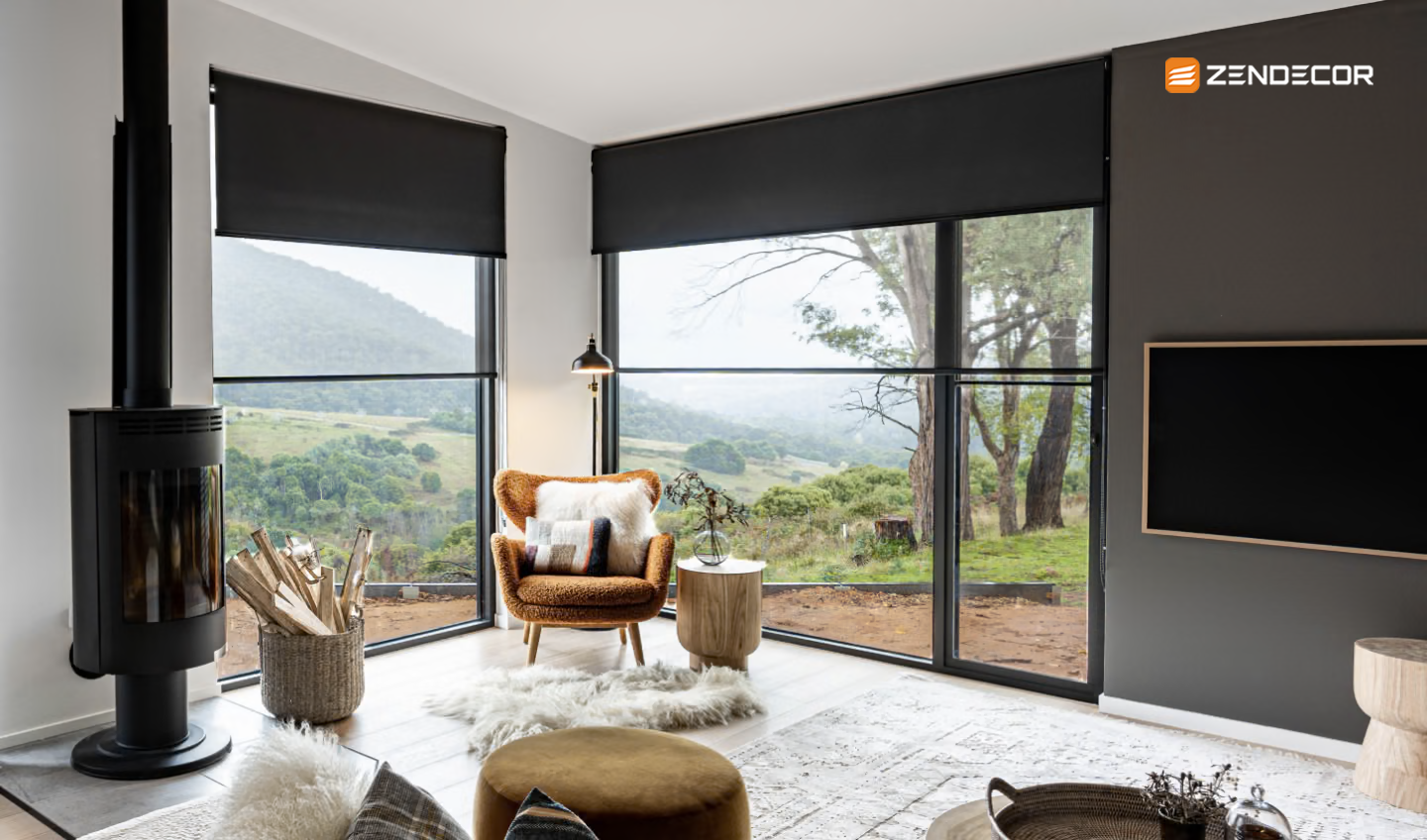
ZENDECOR Roller Blinds – Minimalist Elegance, Effective Light Control Solutions
In contemporary architecture, window treatments serve not only as a means of providing shade and privacy but also play an essential role in managing natural light, defining interior design styles, and enhancing the overall quality of living spaces.
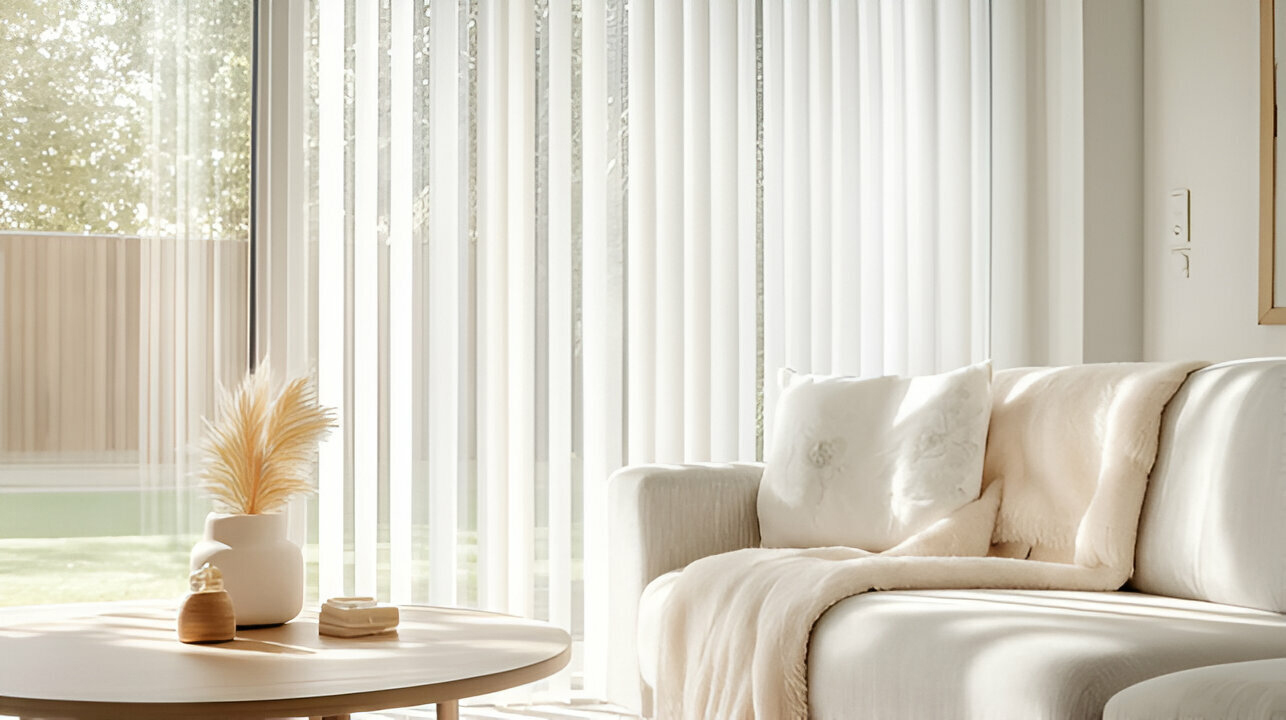
Vertical Blinds – Flexible Light Control for Modern Living Spaces
In modern interior design, window coverings not only serve to control light and protect privacy but also play an important role in defining interior style and enhancing the overall aesthetic appeal of a space. With their elegant design, refined lines, and flexible light control, vertical blinds are becoming an increasingly attractive choice for residential properties, offices, hotels, and commercial spaces.
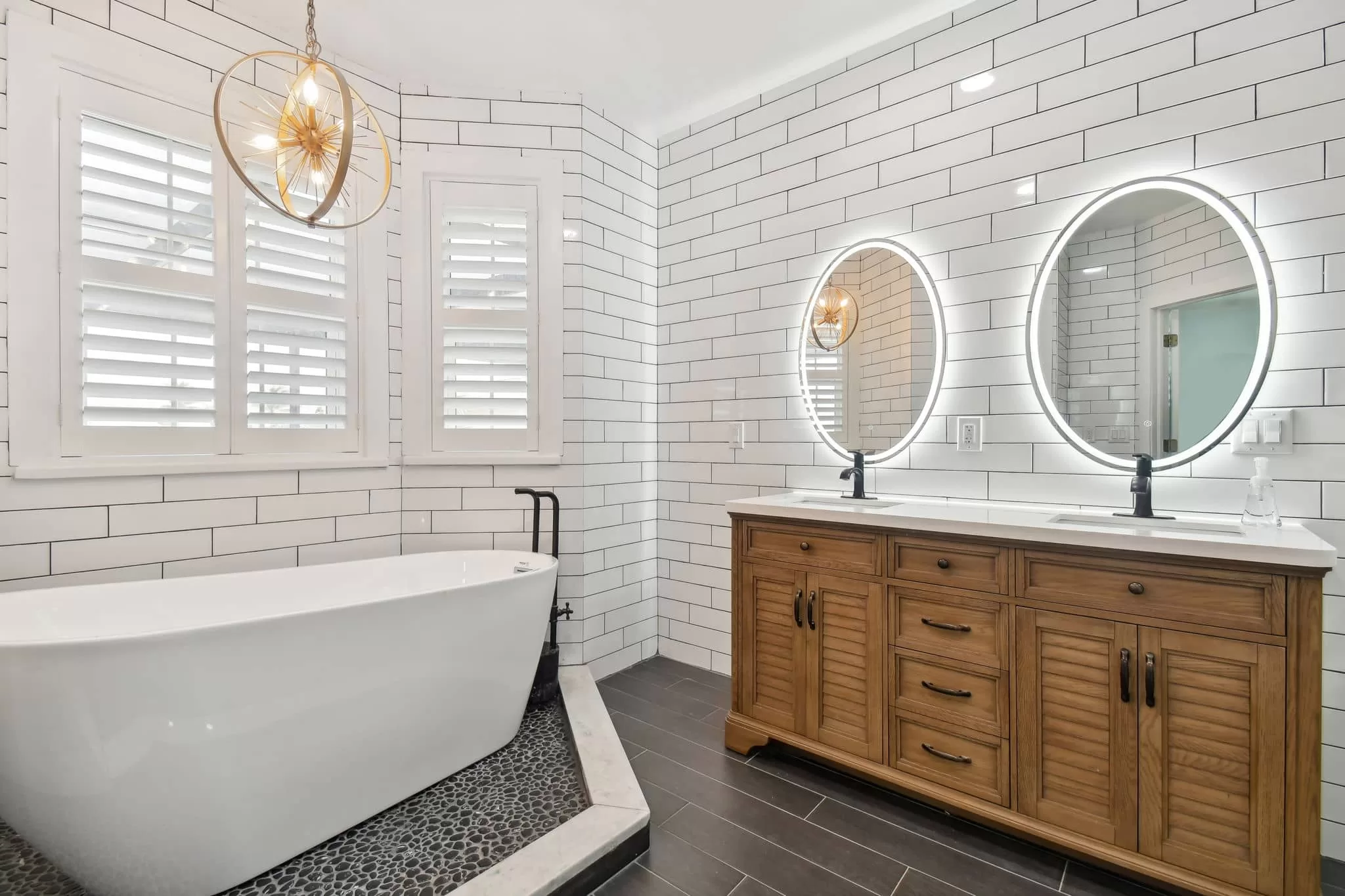
Which Blinds Are Best for Bathrooms? Tips for Choosing Stylish, Durable, and Moisture-Resistant Blinds
The bathroom is more than just a space for daily routines; it is also a personal retreat for relaxation and rejuvenation after a long day. Alongside bathroom fixtures, lighting, and interior materials, window blinds play an important role in enhancing aesthetics, ensuring privacy, and elevating the overall experience of the space.
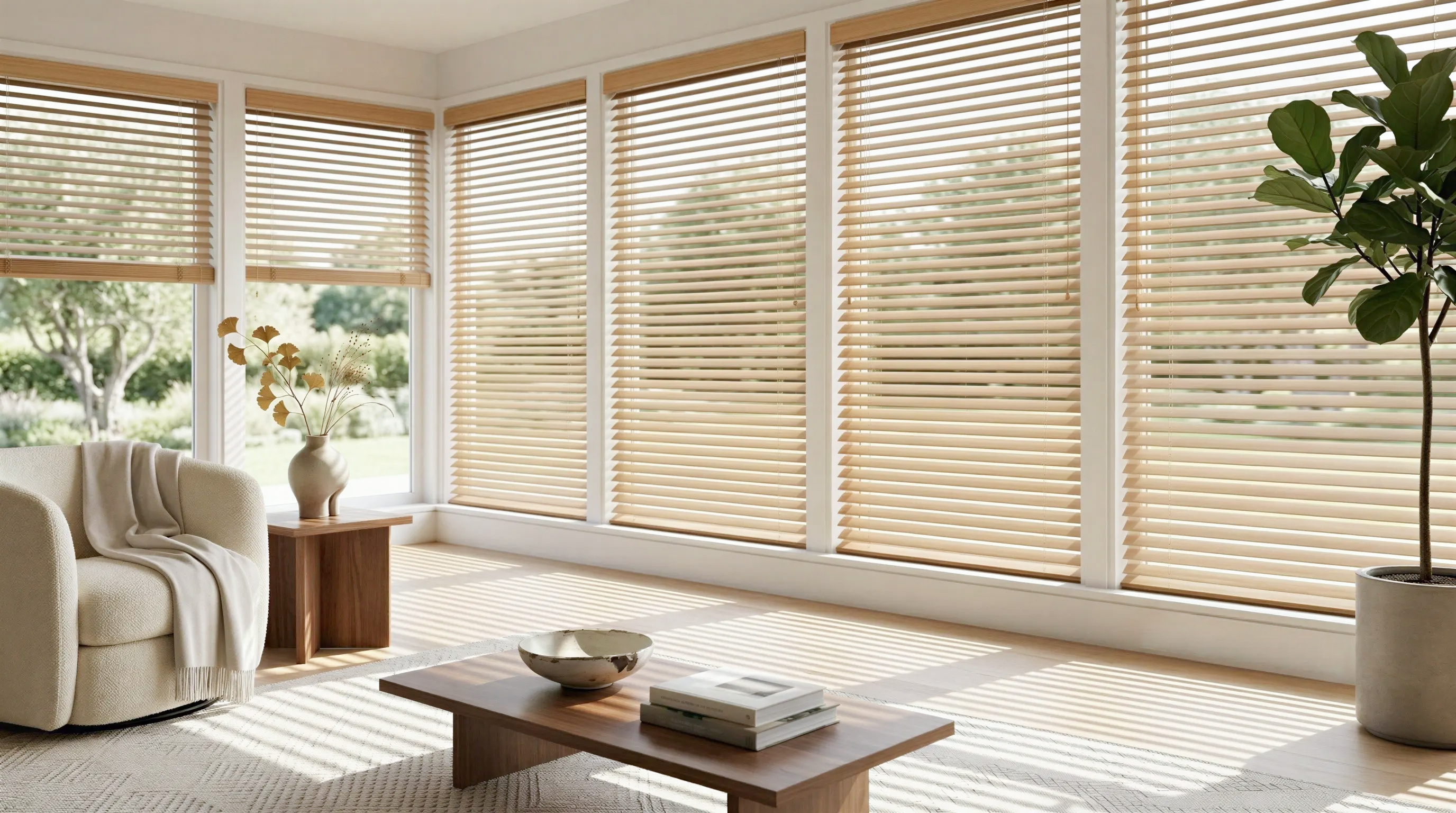
Wooden Venetian Blinds – The Essence of Natural Materials, a Touch of Aesthetic Elegance in Every Window
In interior design, the beauty of a space is not solely defined by expensive furniture or elaborate decorative details. Sometimes, it is the harmonious balance of light, materials, and colors that creates a sense of elegance, warmth, and depth.