
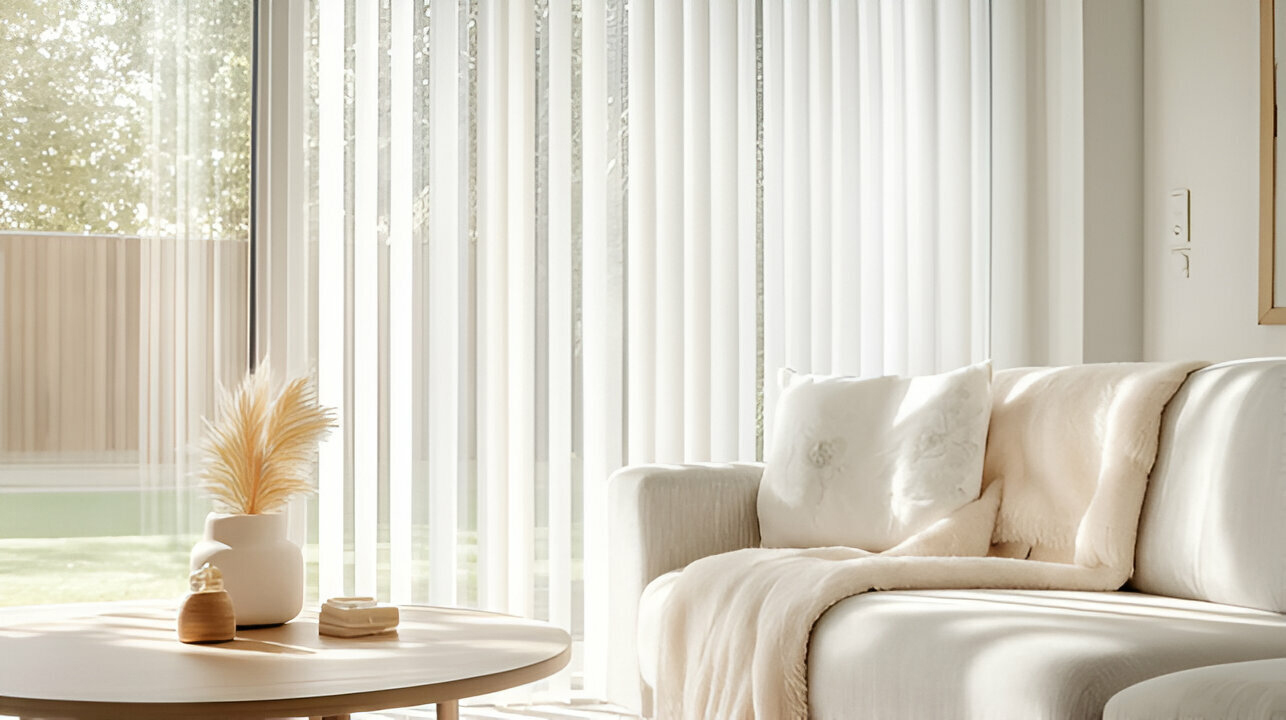
Vertical Blinds – Flexible Light Control for Modern Living Spaces
In modern interior design, window coverings not only serve to control light and protect privacy but also play an important role in defining interior style and enhancing the overall aesthetic appeal of a space. With their elegant design, refined lines, and flexible light control, vertical blinds are becoming an increasingly attractive choice for residential properties, offices, hotels, and commercial spaces.
In modern interior design, window coverings not only serve to control light and protect privacy but also play an important role in defining interior style and enhancing the overall aesthetic appeal of a space. With their elegant design, refined lines, and flexible light control, vertical blinds are becoming an increasingly attractive choice for residential properties, offices, hotels, and commercial spaces.
Rather than relying on elaborate details, vertical blinds derive their beauty from simplicity, functionality, and architectural harmony. Particularly suited to large windows, floor-to-ceiling glazing, and spaces with panoramic views, vertical blinds offer an ideal balance between natural light, privacy, and comfortable modern living.
Join ZENDECOR in exploring the outstanding benefits, practical applications, and expert tips for choosing the right vertical blinds for different interior spaces.
1. What Are Vertical Blinds?
Vertical blinds are a type of window covering featuring vertically arranged slats or fabric vanes suspended from an overhead track system. Depending on their construction, materials, and operating mechanism, users can rotate the vanes to adjust the angle of incoming light or draw them to one side to enjoy an unobstructed view.
Unlike horizontal window coverings, vertical blinds create a visual effect that emphasizes height, making interiors appear more spacious, elegant, and well-proportioned.
The basic components of vertical blinds typically include:
-
An overhead track system.
-
Vertically arranged slats or fabric vanes.
-
Connecting components and vane rotation mechanisms.
-
A control system for opening and closing the blinds.
-
Additional shaping and supporting accessories, depending on the product design.
Today, alongside traditional vertical blinds, the market offers a wide range of innovative designs, including soft fabric vertical blinds, light-filtering vertical blinds, and vertical blinds that combine the functionality of adjustable vanes with the delicate appearance of sheer curtains. These options provide greater design flexibility for sophisticated and high-end living spaces.
2. Why Are Vertical Blinds Becoming Increasingly Popular in Modern Interior Design?
2.1. Flexible Light Control
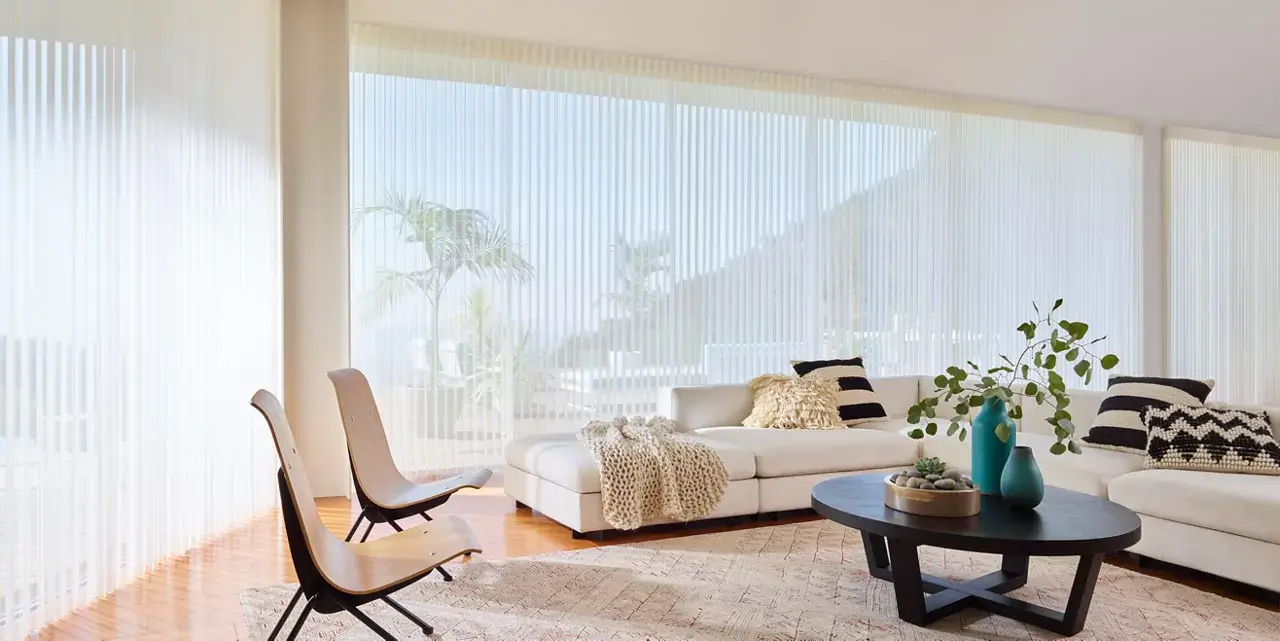
One of the most outstanding advantages of vertical blinds is their ability to regulate natural light by adjusting the angle of the individual vanes.
Rather than having to fully open or close the blinds, users can easily adjust the amount of incoming light to suit different times of the day.
In the morning, the blinds can be adjusted to welcome gentle natural sunlight. When sunlight becomes more intense, the vanes can be rotated to provide greater shading and reduce glare.
This flexible light control is particularly beneficial for buildings featuring large glazed windows, where natural light is both an architectural advantage and an element that requires careful management.
2.2. Creating a Taller and More Spacious Interior
The continuous vertical lines of the blinds naturally draw the eye upward, creating the impression of higher ceilings and a more open, elegant interior.
This makes vertical blinds particularly suitable for modern apartments, villas, townhouses, and architectural spaces featuring floor-to-ceiling windows.
When combined with neutral color palettes such as white, cream, beige, or light gray, vertical blinds create a refined, airy atmosphere without making the interior feel visually heavy.
2.3. Optimizing Interior Space
Vertical blinds typically feature a streamlined construction without the multiple layers of thick fabric found in some traditional curtain designs.
When opened, the vanes can be neatly gathered to one or both sides, depending on the track configuration. This maximizes the exposed glass area, enhances outward views, and provides greater convenience in everyday use.
For small and medium-sized apartments, vertical blinds are also an effective solution for creating a more open and less cluttered environment.
2.4. Enhancing Privacy
In addition to regulating natural light, vertical blinds help maintain privacy in both residential and professional environments.
Users can adjust the angle of the vanes to restrict visibility from outside while still allowing a certain amount of natural light to enter the room.
However, the level of privacy depends on the material, light transmission properties, and lighting conditions inside and outside the building, particularly at night.
2.5. Complementing a Wide Range of Interior Design Styles
Rather than being limited to a particular interior design style, vertical blinds can be seamlessly integrated into various design concepts, including Modern, Minimalist, Scandinavian, Japandi, Contemporary, and Luxury interiors.
The wide variety of colors, materials, and fabric textures allows vertical blinds to become an integral part of the overall architectural design rather than simply serving as conventional window coverings.
3. Popular Types of Vertical Blinds Available Today
Traditional Vertical Blinds
Featuring a simple and functional design, traditional vertical blinds consist of individual vanes that can be rotated and neatly drawn aside. They are particularly suitable for offices, meeting rooms, showrooms, and spaces that prioritize practicality.
Soft Fabric Vertical Blinds
Soft fabric vertical blinds combine the delicate elegance of fabric curtains with the flexible light control of traditional vertical blinds, making them an excellent choice for modern apartments and villas.
Light-Filtering Vertical Blinds
Designed to allow a controlled amount of natural light to pass through, light-filtering vertical blinds create a soft, diffused lighting effect. They are ideal for interiors that emphasize relaxation, openness, and visual comfort.
Room-Darkening Vertical Blinds
Made from materials designed to reduce incoming light, room-darkening vertical blinds are suitable for bedrooms, home offices, and areas frequently exposed to strong sunlight.
4. Applications of Vertical Blinds in Different Interior Spaces
4.1. Living Room Vertical Blinds – Elegance and Sophistication
The living room is a space that reflects the homeowner’s lifestyle and personal aesthetic preferences. Choosing the right window coverings not only completes the interior design but also creates a warm and welcoming atmosphere.
With their soft, elegant vertical lines, vertical blinds are particularly suitable for living rooms featuring large glazed windows or balcony doors.
Neutral shades such as white, cream, beige, and light gray help create a soft lighting atmosphere while establishing visual harmony with sofas, rugs, and other furnishings.
For apartments with beautiful views, vertical blinds also allow homeowners to enjoy the surrounding scenery without having to completely cover the windows.
4.2. Bedroom Vertical Blinds – Creating a Restful Retreat
Bedrooms require tranquility, privacy, and appropriate light control to support comfortable rest and relaxation.
Vertical blinds made from materials with effective light-blocking properties are worth considering for these spaces. Shades such as light brown, warm gray, and deep beige can also help create a calm and soothing atmosphere.
For bedrooms that require a higher level of darkness, homeowners should carefully consider both the light-blocking performance of the fabric and the gaps between individual vanes. In some cases, combining vertical blinds with an additional blackout window covering can provide better results.
4.3. Office Vertical Blinds – Professional and Functional
Vertical blinds have long been widely used in office environments thanks to their streamlined design and flexible light control capabilities.
Installing vertical blinds helps reduce direct sunlight on computer screens, minimize glare, and create a more comfortable working environment.
Colors such as white, gray, charcoal, and blue-gray are commonly selected to establish a professional appearance that complements corporate architecture and interior design.
For offices featuring large glass partitions or expansive windows, vertical blinds offer a highly practical solution without compromising aesthetic appeal.
4.4. Vertical Blinds for Villas and Luxury Apartments
In villas and luxury apartments, large glazed windows are often incorporated to maximize natural light and surrounding views.
Soft fabric vertical blinds help preserve the architectural beauty of expansive glass surfaces while creating a refined transition between indoor and outdoor spaces.
As natural light filters through the fabric, the interior gains greater visual depth, creating an atmosphere of understated elegance and sophistication.
This also allows homeowners to express their personal aesthetic through carefully selected colors, materials, and interior arrangements.
4.5. Vertical Blinds for Hotels, Showrooms, and Commercial Spaces
In hotels, showrooms, restaurants, and customer reception areas, vertical blinds not only provide practical shading but also contribute to the overall brand image.
A well-selected window covering system that complements the interior color palette and architectural style can create a cohesive, professional environment while leaving a positive impression on customers and visitors.
5. Comparing Vertical Blinds with Other Window Covering Solutions
Each type of window covering offers its own distinctive characteristics and advantages. Understanding these differences helps homeowners select the most suitable solution for their specific requirements.
|
Criteria |
Vertical Blinds |
Fabric Curtains |
Zebra Blinds |
Roller Blinds |
|---|---|---|---|---|
|
Design |
Elegant and modern |
Soft and luxurious |
Streamlined and refined |
Minimalist |
|
Light Control |
Adjustable rotating vanes |
Opening and closing curtains |
Adjustable fabric layers |
Raising and lowering the blinds |
|
Large Glazed Windows |
Highly suitable |
Highly suitable |
Depending on size |
Depending on size |
|
Suitable Spaces |
Homes and offices |
Homes and villas |
Apartments and home offices |
Offices and residential spaces |
|
Light-Blocking Performance |
Depends on material |
Depends on material |
Depends on material |
Depends on material |
|
Interior Style |
Modern and minimalist |
Versatile |
Modern |
Minimalist |
While traditional fabric curtains create a warm and柔 soft atmosphere, and zebra blinds stand out with their alternating fabric layers, vertical blinds are distinguished by their flexible light control through vertically arranged vanes and their ability to create a visually elegant and spacious interior.
No single type of window covering is universally suitable for every project. The key is to select a solution that complements the architectural characteristics, functional requirements, and lifestyle preferences of the homeowner.
6. Vertical Blind Color Trends in Modern Interior Design
Pure White
Light, airy, and elegant.
Warm Cream
Refined, inviting, and easy to coordinate with interior furnishings.
Natural Beige
Perfectly complements Japandi and Minimalist interior styles.
Modern Gray
Professional, distinctive, and sophisticated.
White Vertical Blinds – The Beauty of Simplicity
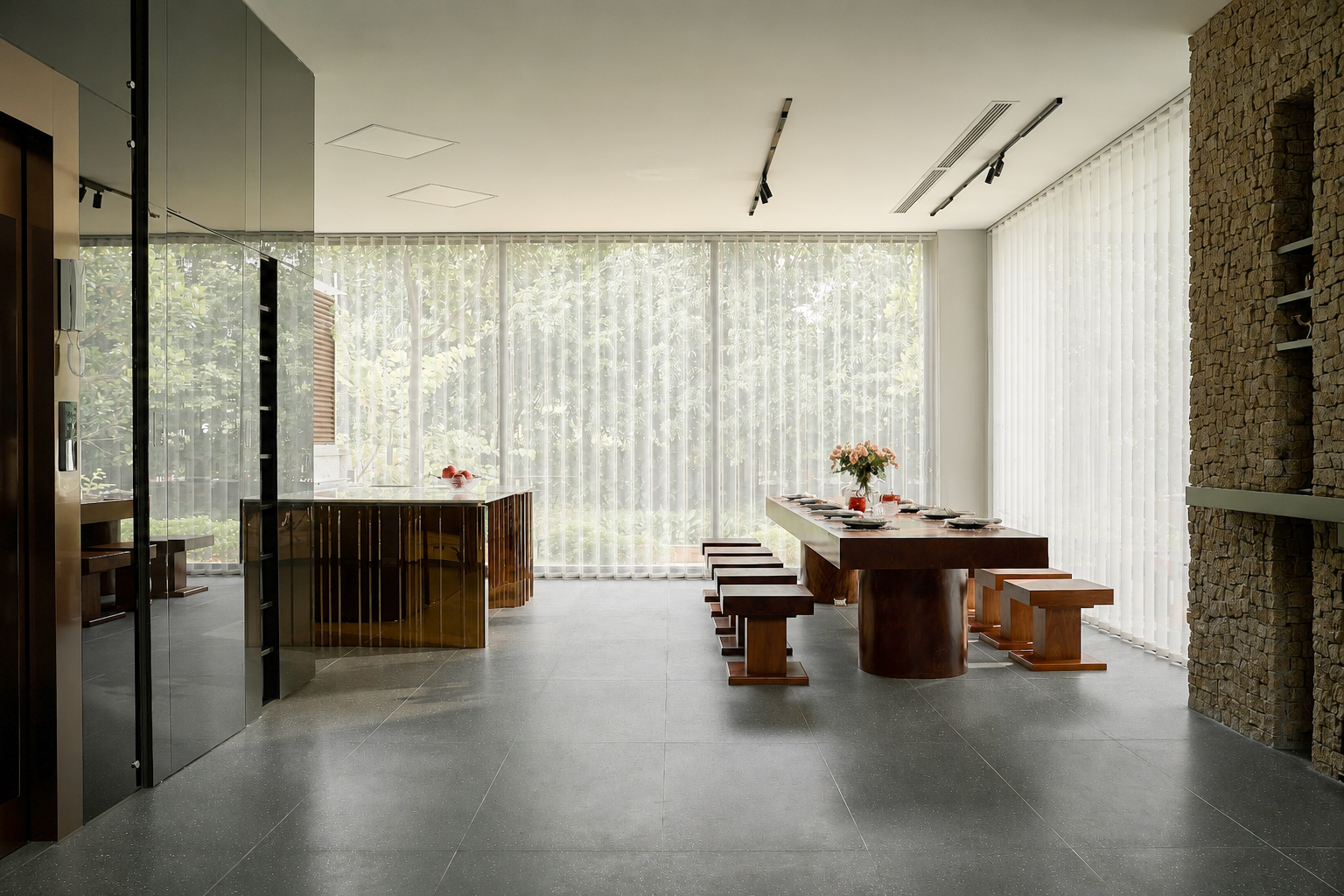
White creates a visually brighter and more spacious atmosphere, making it particularly suitable for small and medium-sized apartments or interiors inspired by minimalist design.
Cream Vertical Blinds – A Balance Between Luxury and Warmth
Softer and warmer than certain shades of white, cream creates a comfortable and inviting atmosphere while blending effortlessly with wooden furniture, natural stone, and upholstered sofas.
Beige Vertical Blinds – Embracing a Nature-Inspired Lifestyle
Beige is an ideal choice for interiors that emphasize relaxation and natural beauty. When combined with soft, diffused lighting, this neutral shade creates a visually rich and emotionally inviting atmosphere.
Gray Vertical Blinds – A Signature of Contemporary Style
Gray brings a modern, polished, and sophisticated appearance to both residential and office spaces. It also pairs effortlessly with contemporary architectural materials such as glass, metal, and concrete.
7. Expert Tips for Choosing Stylish and Suitable Vertical Blinds
Identify Your Functional Requirements
Before selecting vertical blinds, homeowners should clearly identify their primary purpose, whether it is interior decoration, light control, privacy protection, or reducing exposure to direct sunlight.
Each requirement calls for different materials, fabric properties, and blind designs.
Consider Window Orientation and Sunlight Intensity
For west-facing windows or areas frequently exposed to intense sunlight, priority should be given to materials with suitable light-blocking and heat-reducing properties.
Meanwhile, spaces receiving moderate natural light can benefit from light-filtering vertical blinds to maintain a bright, open, and airy atmosphere.
Choose Colors That Complement the Interior
The color of vertical blinds should be carefully selected based on wall colors, flooring, furniture, and actual lighting conditions.
Rather than choosing a color simply because it looks attractive on its own, consider how well it harmonizes with the overall interior design.
Prioritize the Quality of Track Systems and Accessories
The quality of a vertical blind system depends not only on its fabric but also on the reliability and performance of its operating mechanism.
A durable track system, compatible accessories, and an appropriate control mechanism help ensure smooth, stable operation while minimizing the risk of jamming during everyday use.
Ensure Accurate Measurements and Professional Installation
The dimensions of vertical blinds should be carefully calculated based on window width, height, installation position, and clearance from the floor.
Particularly for large glazed windows or floor-to-ceiling glazing, an on-site assessment before installation is essential to achieving optimal aesthetic results and reliable functionality.
8. How to Clean and Maintain Vertical Blinds for Long-Lasting Beauty
To preserve the appearance, functionality, and lifespan of vertical blinds, regular cleaning and proper maintenance are recommended.
-
Use a soft cloth or a vacuum cleaner with a soft brush attachment to remove dust and dirt.
-
Clean each vane along its vertical length.
-
Avoid using harsh cleaning chemicals without first checking the material's characteristics and care requirements.
-
Avoid pulling, tugging, or twisting the individual vanes excessively.
-
Keep the track system and operating accessories clean.
-
Follow the manufacturer's instructions for washing or deep cleaning.
For soft fabric vertical blinds, particular attention should be paid to selecting appropriate cleaning methods to minimize the risk of deformation, fabric creasing, or damage to the overall product structure.
Proper care and maintenance not only help preserve the refined appearance of vertical blinds but also contribute to smooth operation and long-term durability.
9. What Factors Influence the Cost of Vertical Blinds?
The cost of installing vertical blinds may vary depending on the specific project and functional requirements.
Factors that influence the price of vertical blinds include fabric quality, window dimensions, light-blocking performance, track system quality, accessories, operating mechanisms, and actual installation conditions.
Rather than focusing solely on the initial price, customers should consider the overall balance between product quality, durability, aesthetic appeal, and long-term user experience.
The most suitable vertical blinds are not necessarily the most expensive ones, but those that effectively meet practical requirements while remaining within the intended budget.
10. ZENDECOR – Enhancing Interior Beauty Through Refined Window Covering Solutions
At ZENDECOR, window coverings are more than just interior furnishings. They serve as a connection between architecture, natural light, and the emotional experience of those who inhabit the space.
Every interior has its own unique characteristics, from sunlight orientation and window configurations to design styles and everyday living requirements. Therefore, selecting the right window coverings requires a comprehensive approach to achieve visual harmony and long-term functional value.
With a commitment to aesthetics, sophistication, and an enhanced living experience, ZENDECOR focuses on window covering solutions that complement a wide range of interior styles, from modern apartments, townhouses, and luxury villas to commercial developments.
Rather than relying on elaborate decorative details, the beauty of vertical blinds lies in their clean lines, carefully selected materials, and ability to control natural light effortlessly.
This is the philosophy that ZENDECOR aims to convey in every living space: beauty in design, comfort in functionality, and harmony in every detail.
11. Frequently Asked Questions About Vertical Blinds
Are Vertical Blinds Suitable for Living Rooms?
Absolutely. Vertical blinds are particularly suitable for living rooms featuring large glazed windows, balcony doors, or floor-to-ceiling windows. They offer flexible light control while creating an elegant and visually spacious atmosphere.
Can Vertical Blinds Completely Block Out Light?
The light-blocking performance of vertical blinds depends on the materials and construction of each product. Some vertical blinds offer excellent light-blocking capabilities; however, small amounts of light may still enter through gaps between the vanes or around the edges of the window.
Are Vertical Blinds Easy to Clean?
Most vertical blinds can be easily cleaned using a soft cloth or a vacuum cleaner. However, deep-cleaning methods should be selected according to the specific material and the manufacturer's care instructions.
Are Vertical Blinds Suitable for Floor-to-Ceiling Windows?
Floor-to-ceiling windows are one of the most outstanding applications of vertical blinds. Their vertical design emphasizes the height of the windows while creating a greater sense of openness and spaciousness.
What Are the Best Colors for Vertical Blinds?
White, cream, beige, and gray are versatile colors that complement modern interiors. However, the ideal color should be selected based on the overall interior color palette and the actual lighting conditions of the space.
Vertical blinds represent a harmonious combination of functionality, aesthetics, and modern design philosophy. With their flexible light control, elegant appearance, and versatile applications, they bring significant value to both residential and professional environments.
Beautifully designed window coverings not only transform the appearance of windows but also enhance the quality of everyday living experiences.
Discover the perfect vertical blind solutions with ZENDECOR, transforming every window into a sophisticated architectural feature and every interior into a space where the beauty of natural light can be fully appreciated.
ZENDECOR – Refinement in Every Material, Distinction in Every Space.
» Read more: Which Blinds Are Best for Bathrooms? Tips for Choosing Stylish, Durable, and Moisture-Resistant Blinds
Related articles
View all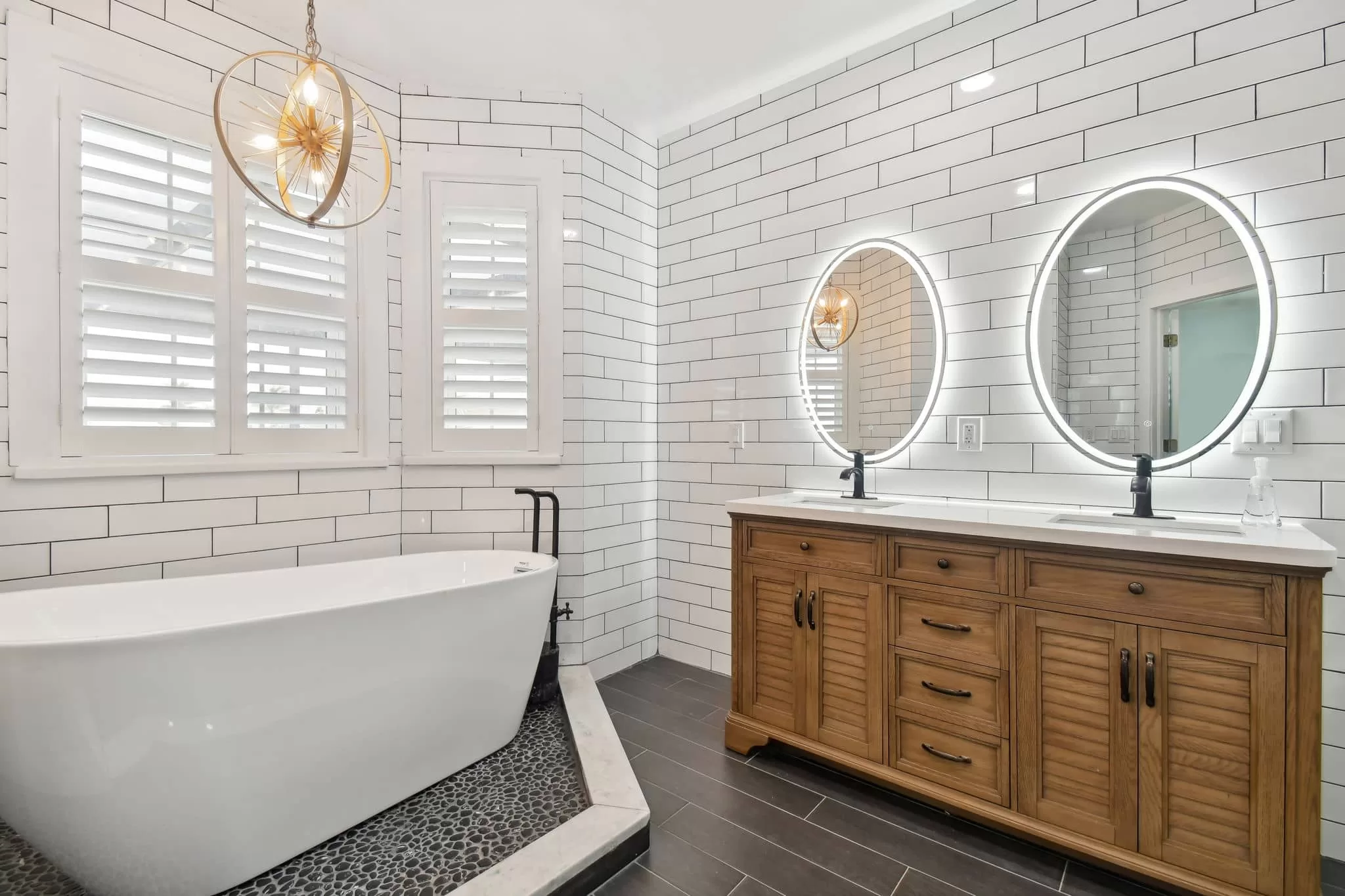
Which Blinds Are Best for Bathrooms? Tips for Choosing Stylish, Durable, and Moisture-Resistant Blinds
The bathroom is more than just a space for daily routines; it is also a personal retreat for relaxation and rejuvenation after a long day. Alongside bathroom fixtures, lighting, and interior materials, window blinds play an important role in enhancing aesthetics, ensuring privacy, and elevating the overall experience of the space.
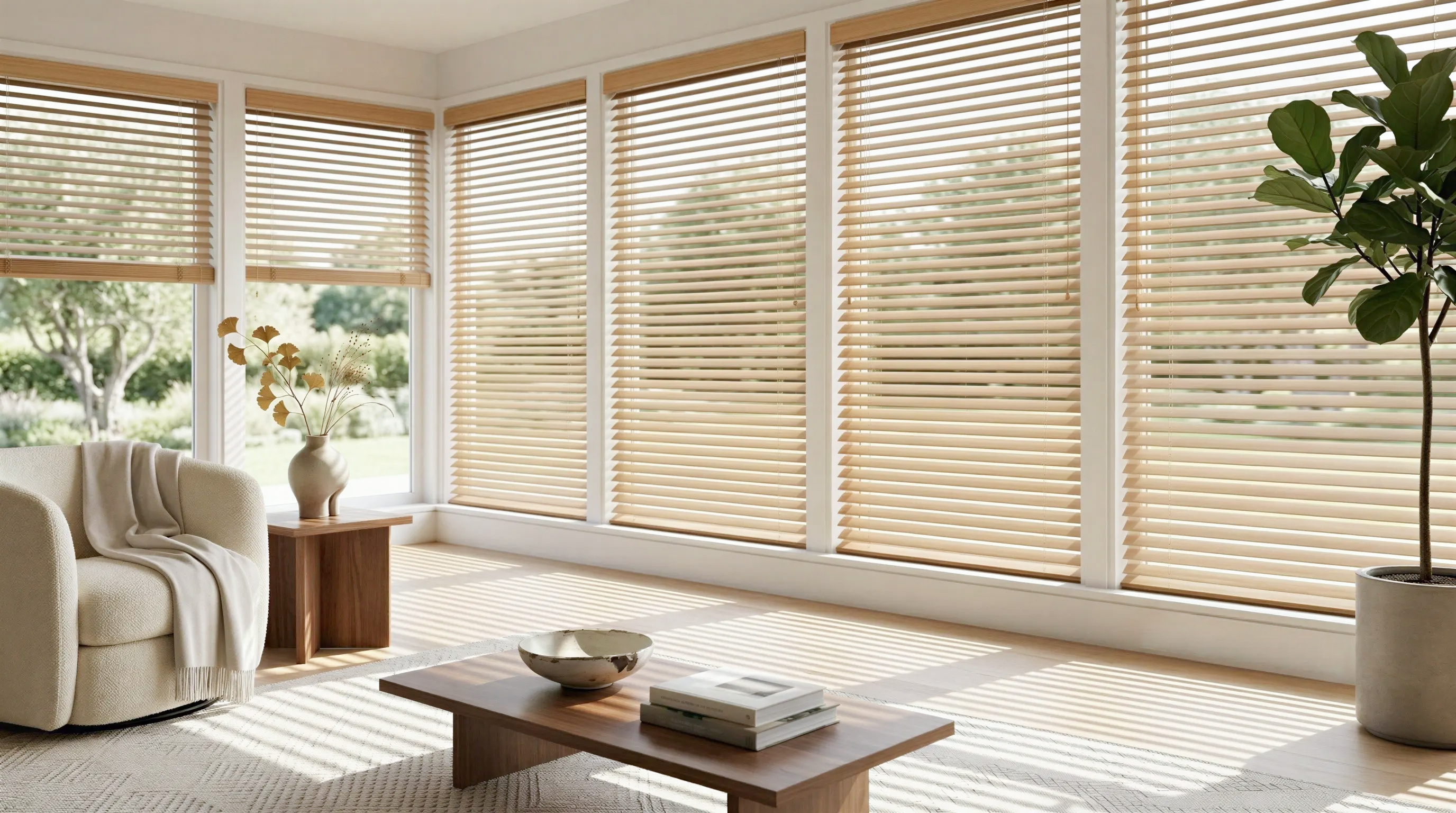
Wooden Venetian Blinds – The Essence of Natural Materials, a Touch of Aesthetic Elegance in Every Window
In interior design, the beauty of a space is not solely defined by expensive furniture or elaborate decorative details. Sometimes, it is the harmonious balance of light, materials, and colors that creates a sense of elegance, warmth, and depth.
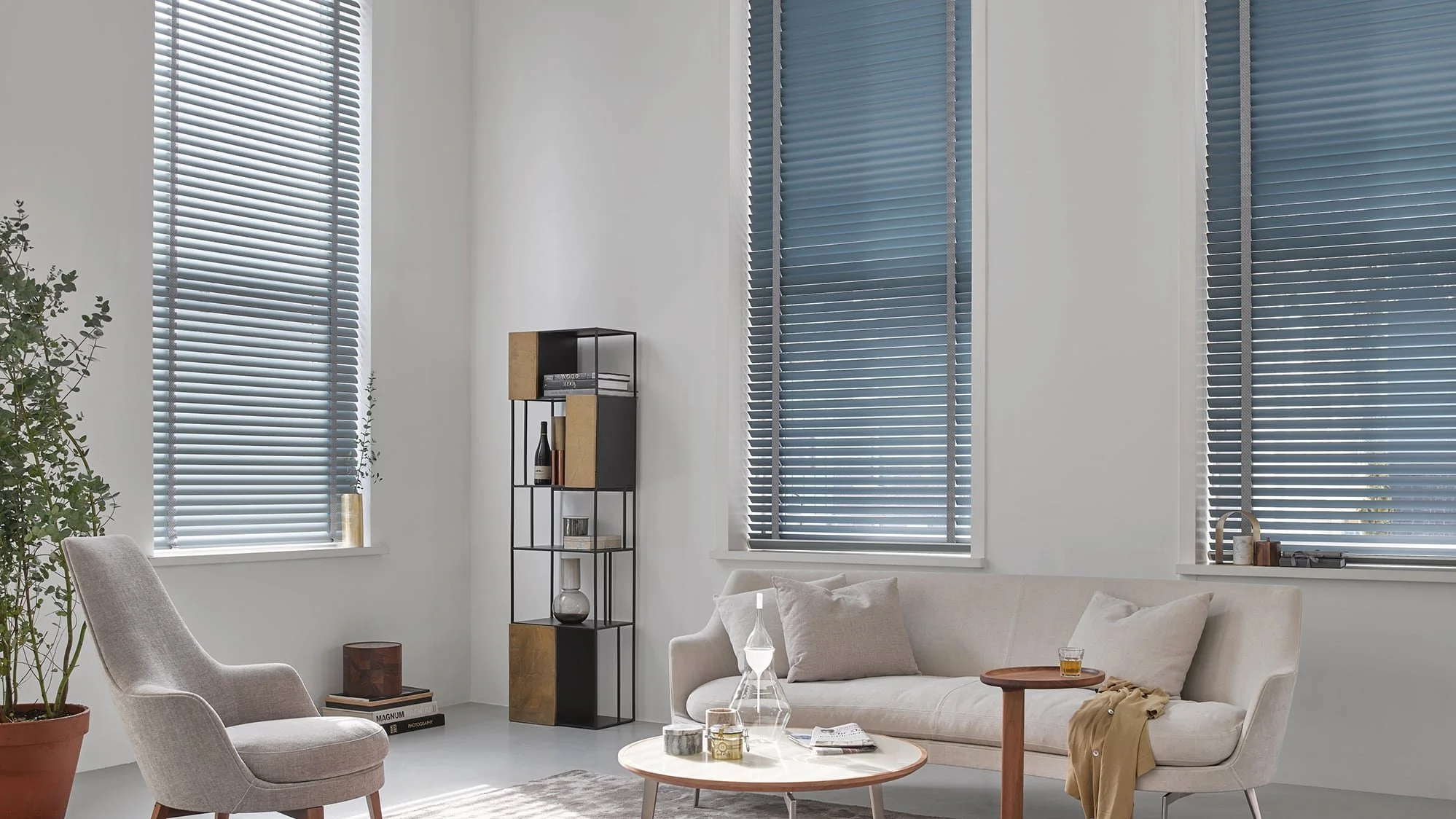
The Minimalist Beauty of Aluminum Venetian Blinds in Modern Architecture
In modern interior design trends, luxury is no longer defined solely by elaborate decorative details or expensive materials. Instead, it increasingly embraces minimalist beauty, harmonious aesthetics, and functional design. Every line, color, and material is thoughtfully selected to create a clean, elegant, and well-organized living space while maintaining its own distinctive character.
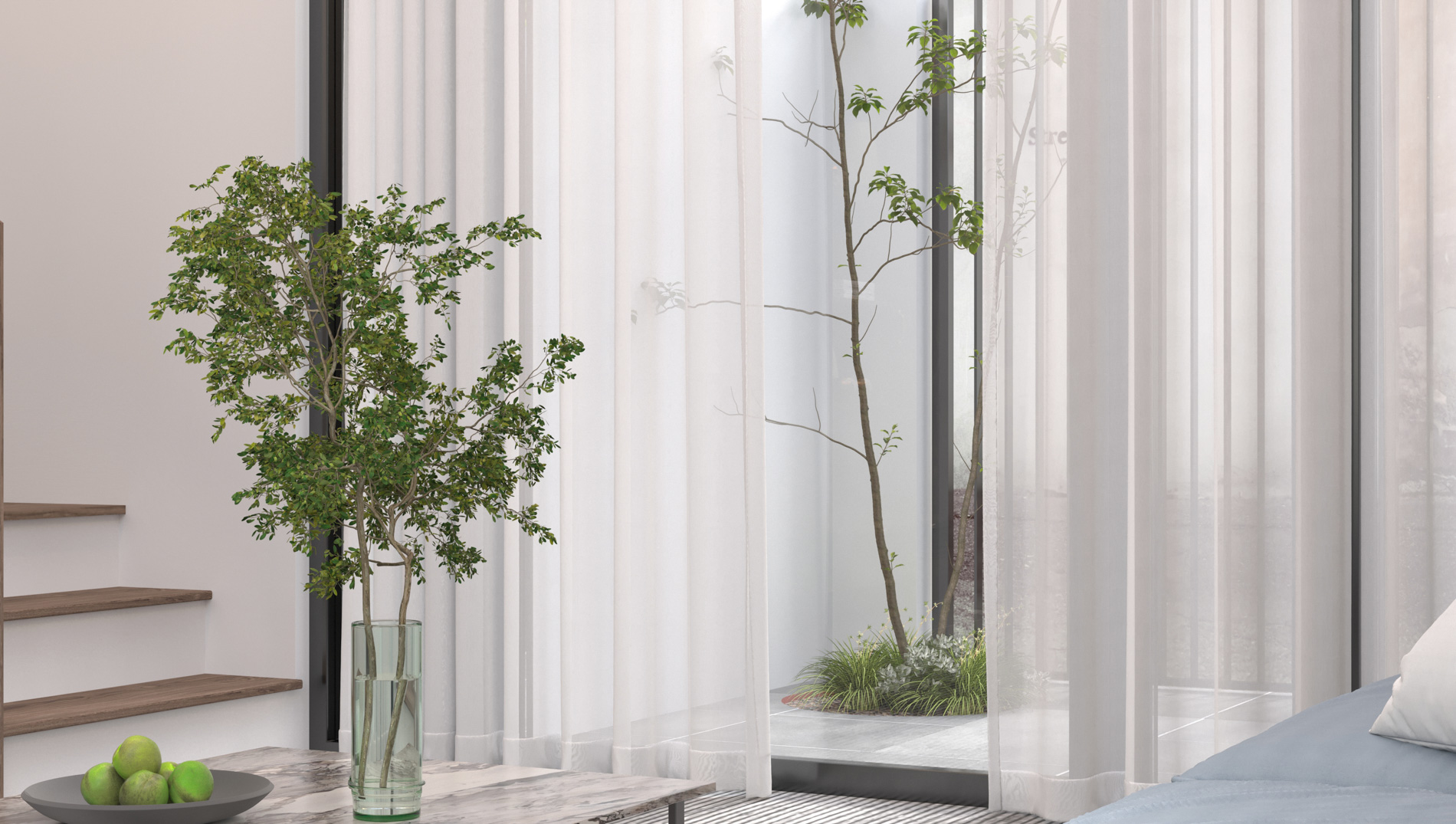
Decorative Sheer Curtains – The Secret to Creating Light, Elegant, and Luxurious Living Spaces
In modern interior design, the beauty of a space is defined not only by expensive furniture or elaborate decorative details but also by the harmonious combination of lighting, colors, and materials. Sometimes, a simple layer of soft, flowing sheer curtains framing a window is enough to transform the entire atmosphere of a room, creating a sense of lightness, elegance, sophistication, and timeless charm.