

How to Control Natural Light with Real Flexibility
Natural light always makes a space feel welcoming. Too much sun, however, brings heat and glare that get in the way of everyday life. That is why modern blinds increasingly focus on flexible light control rather than simply being fully open or fully closed.
Natural light always makes a space feel welcoming. Too much sun, however, brings heat and glare that get in the way of everyday life. That is why modern blinds increasingly focus on flexible light control rather than simply being fully open or fully closed.
Among them, zebra blinds, sheer horizontal blinds, vertical blinds and venetian blinds stand out for their ability to manage light across a range of levels, suiting whatever the day asks of them.
Zebra blinds - soft, modern light adjustment
Zebra blinds are built from a two-layer fabric that alternates sheer and opaque bands.
As the blind moves, the two layers slide over one another to produce different levels of light:
- Gentle daylight during the day
- Less glare in strong sunshine
- More privacy in the evening
What people like most about zebra blinds is how easily they switch between:
- Open and bright
- Filtered light
- Largely blocked light
all without raising the blind completely.
Beyond that convenience, their clean, modern design suits:
- Contemporary apartments
- Offices
- Living rooms
- Minimalist interiors
Sheer horizontal blinds - precise control of light angle
Sheer horizontal blinds use tiltable slats to direct where light falls in the room.

See sheer horizontal blinds >>
They offer some of the finest light control available today.
You can:
- Adjust the amount of light hour by hour
- Direct light towards the ceiling or the floor
- Cut screen glare while you work
- Keep your privacy while the room stays airy
Depending on the material - aluminium, real wood or faux wood - these blinds can look anything from crisply modern to warmly natural.
The slats also soften incoming light rather than letting it shine straight in, which is far easier on the eyes over a long day.
Vertical blinds - a flexible answer for large glazing
Vertical blinds are typically used for:
- Offices
- Large glazed doors
- Wide frontages
Their vertical louvres rotate freely, controlling light across the width of the opening.

Their main strengths:
- Flexible adjustment of light angle
- Well suited to tall openings
- Effective at cutting direct sun
- Easy to draw neatly to one side
Compared with traditional fabric curtains, vertical blinds feel tidier and more contemporary, especially in workspaces that call for restraint.
Venetian blinds - balancing light and privacy
Venetian blinds stand out for the number of levels at which they can meter natural light.

With freely tilting slats, you can:
- Let in just enough light
- Keep the room feeling open
- Limit direct sunlight
- Gain privacy without making the room too dark
Each material gives a different feel:
- Wood: warm and refined
- Aluminium: modern and lightweight
- Faux wood: a balance of looks and durability
They suit any space that needs to move easily between practicality and decoration.
Flexible light control - where modern interiors are heading
Blinds today are no longer just about blocking the sun. What people want now is:
- A bright room without the glare
- Privacy without feeling closed in
- Protection from heat while keeping natural light
That is why blinds offering flexible light control are increasingly specified in modern interior design.
The right blinds do more than make a room look better; they noticeably improve how it feels to use every day - working, resting, or simply enjoying daylight in a gentler, more natural way.
Related articles
View all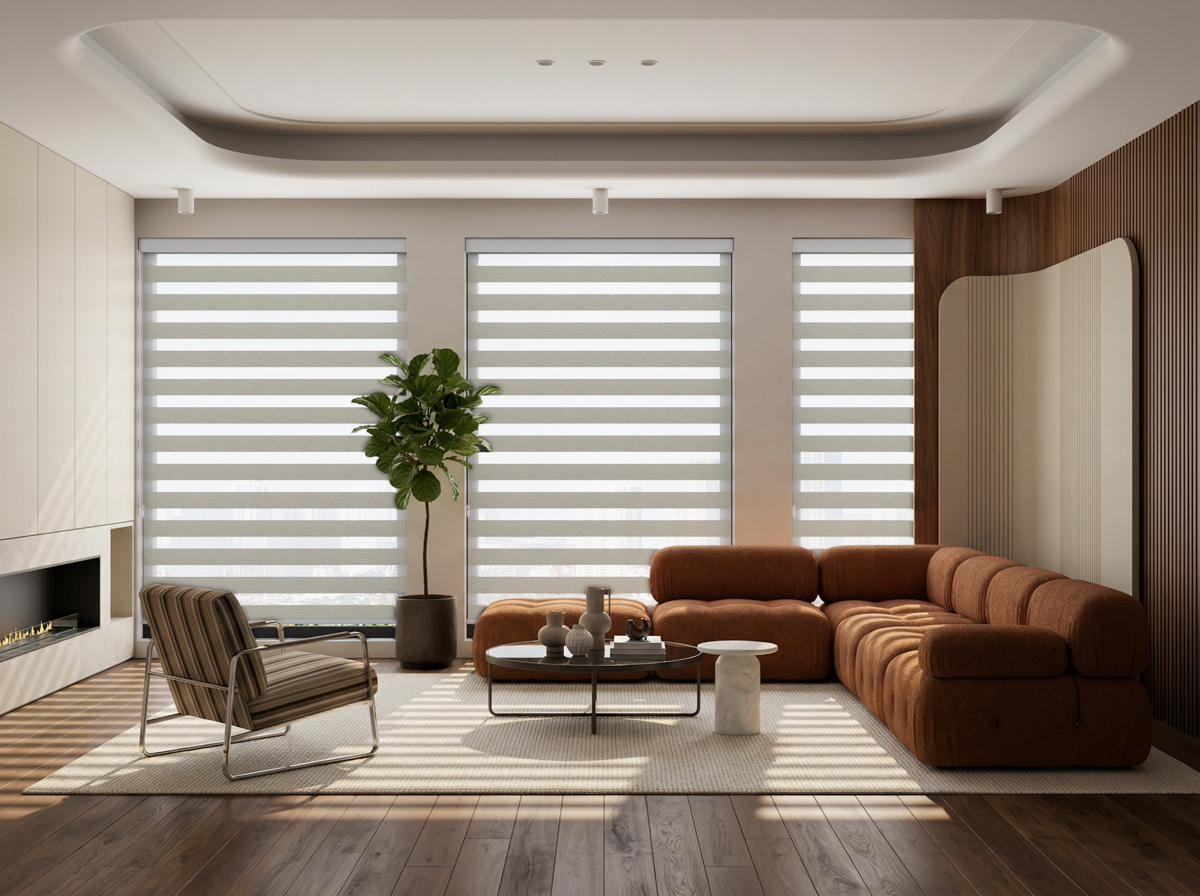
Comparing Roman Blinds, Roller Blinds and Rainbow Blinds: Which Should You Choose?
All carrying a modern beauty, Roman blinds, roller blinds and rainbow blinds each have different operating mechanisms and light-control capabilities. Discover how to choose the right one with Zendecor.
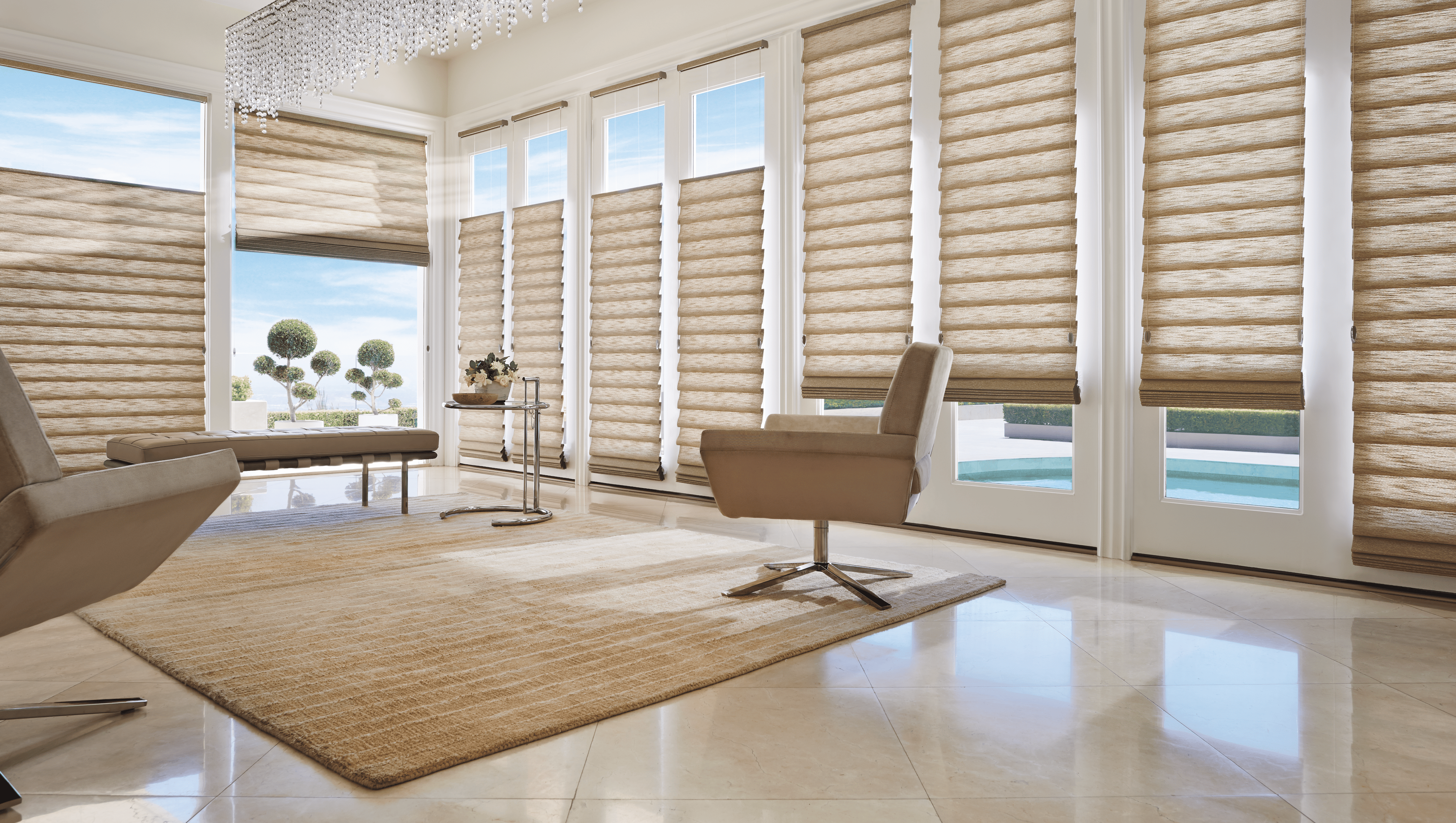
What Percentage of Sun-Blocking Should Curtains Have? How to Choose the Right Light-Blocking Level for Every Space
What percentage of sun-blocking should curtains have? Learn about the 50%, 70%, 90%, 95% and 100% light-blocking levels and how to choose the right curtains for your living room, bedroom, office and apartment.
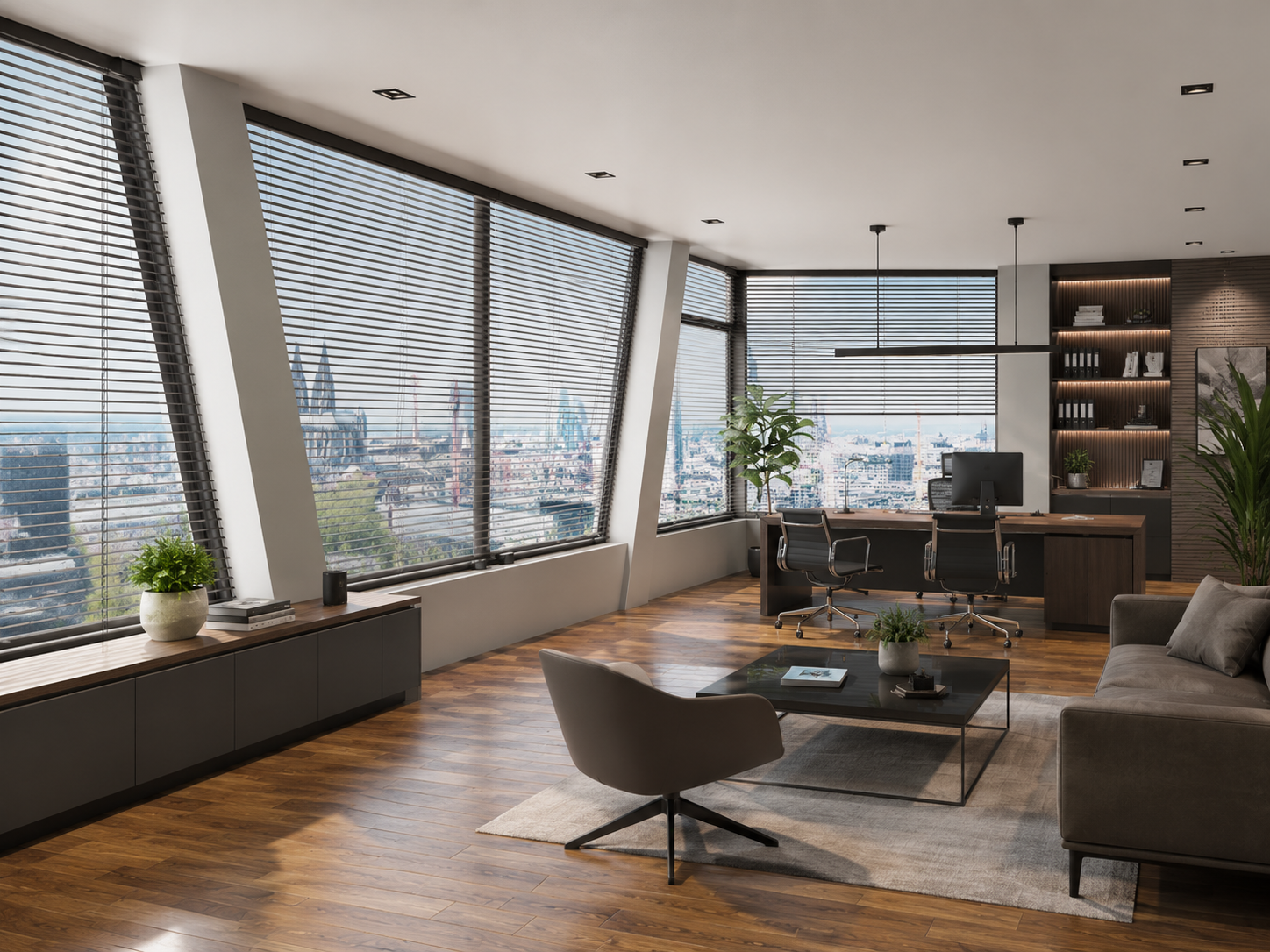
Curtains for Unique Window Shapes - Solutions That Honor Every Special Design
Windows and doors with unusual shapes always give a building its own character. From soft arched windows and distinctive triangular openings to trapezoidal glass panels or modern sloped roofs, each one contributes a unique architectural mark to a living space.
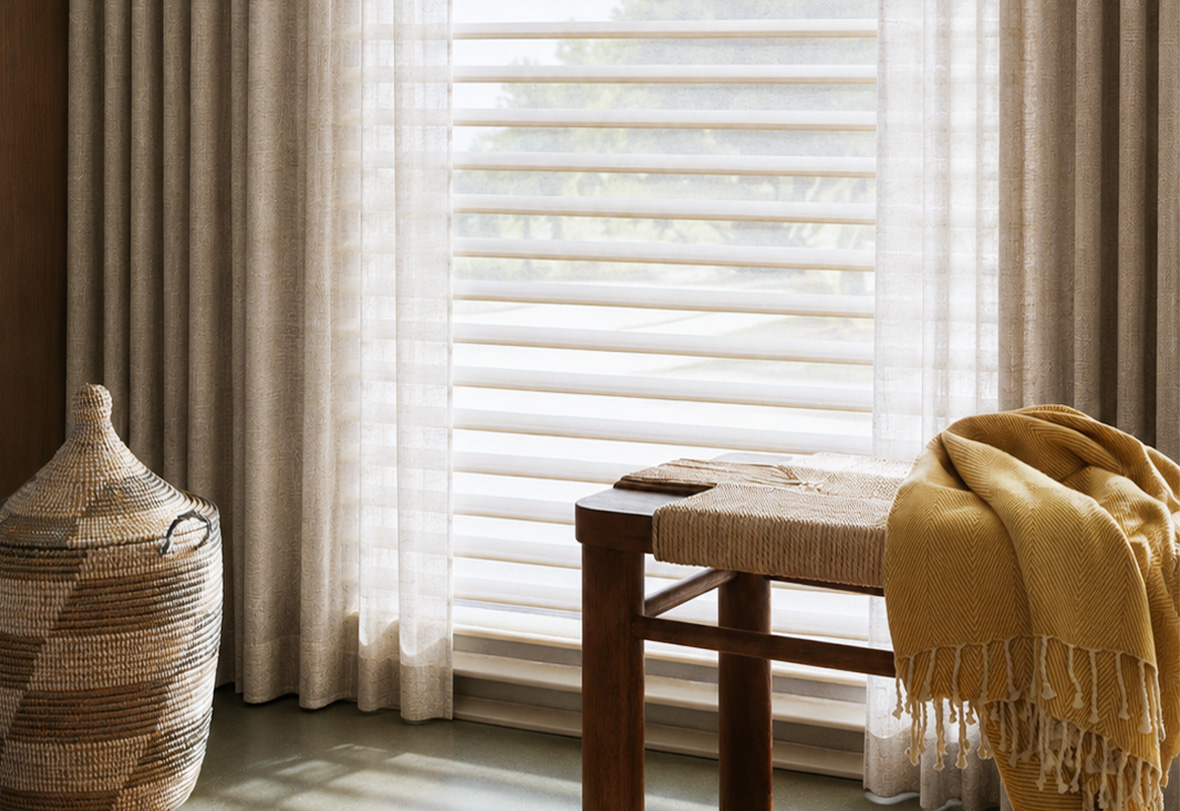
Elevate Your Space with the Art of Combining Blinds and Curtains
In modern interior design, blinds and curtains are no longer simply a solution for blocking sun or ensuring privacy. More and more homeowners and architects are choosing to combine multiple types of blinds and curtains on the same window to strike a balance between function and aesthetics. Combining them the right way not only allows more flexible light control but also brings depth and elegance to a living space.