
What Makes Honeycomb Blinds Special and So Popular with Customers?
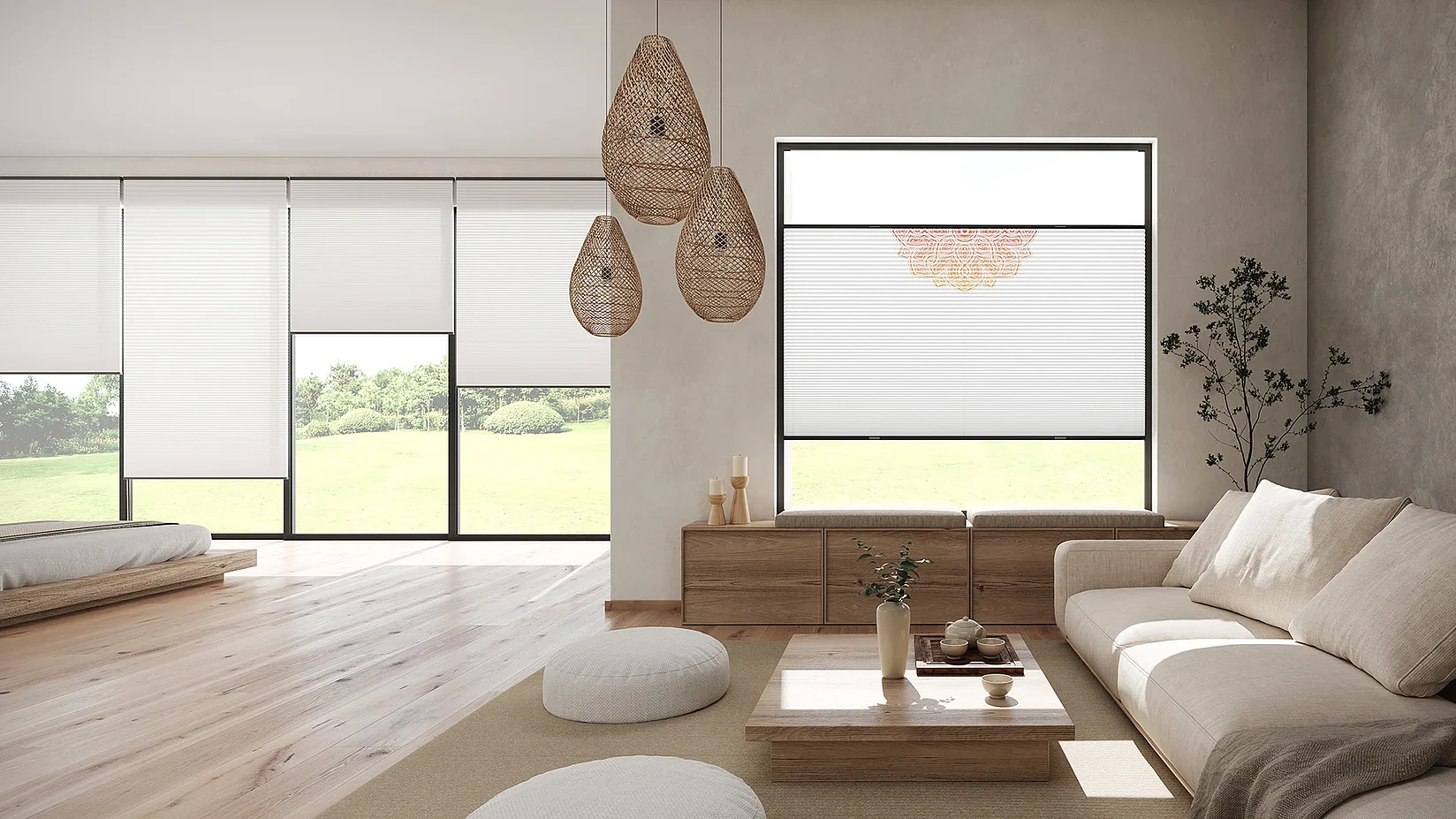
What makes honeycomb blinds special and increasingly popular among customers? With their unique honeycomb-shaped structure, these blinds not only bring a modern aesthetic to any space but also help with thermal insulation, reduce heat loss, and provide effective light control. Thanks to their compact design, flexible operation, and wide range of colors, honeycomb blinds are an ideal choice for houses, apartments, offices, and many other spaces. Discover the outstanding advantages that have made honeycomb blinds a popular choice among homeowners today!
In modern interior design trends, choosing window blinds is no longer just about blocking sunlight and controlling light. Homeowners are increasingly looking for solutions that provide thermal insulation, improve energy efficiency, and enhance the aesthetics of their living spaces. Among the window covering options attracting considerable attention today, honeycomb blinds stand out for their unique structure, compact design, and ability to help regulate indoor temperatures.
So, what makes honeycomb blinds special and increasingly popular with customers? Are they suitable for houses, apartments, offices, and other spaces? Let’s explore the outstanding benefits of honeycomb blinds, how to choose the right product, and practical tips for getting the most out of this versatile window covering solution with ZENDECOR.
1. What Are Honeycomb Blinds?
Honeycomb blinds, also known as cellular blinds, are a type of window covering made from specially designed fabric that forms hollow hexagonal or honeycomb-shaped air pockets when viewed in cross-section. These internal air pockets give honeycomb blinds their distinctive structure, setting them apart from traditional fabric curtains, roller blinds, and Venetian blinds.
The basic construction of honeycomb blinds typically includes specialized fabric, internal air pockets, a rail system, and an operating mechanism. Depending on the model, the blinds may feature a corded control system, a cordless manual mechanism, or a motorized system with automatic controls.
One of the most notable features of honeycomb blinds is that their design offers more than just a modern appearance. The air trapped within the fabric cells helps slow heat transfer through windows, contributing to a more comfortable indoor environment.
By combining refined aesthetics with practical functionality, honeycomb blinds have become an increasingly popular consideration for houses, apartments, offices, and other spaces where comfort and convenience are priorities.
2. What Makes Honeycomb Blinds Special and Popular with Customers?
2.1. Unique Honeycomb Structure for Better Thermal Insulation
One of the most outstanding advantages of honeycomb blinds is their distinctive air-pocket structure. Unlike many window coverings that consist of a single layer of material, honeycomb blinds feature internal air spaces within the fabric.
These air pockets help reduce heat transfer through window areas. During summer, the blinds can help limit the amount of heat entering a room from outside. In colder weather, the same structure can help reduce heat loss from indoor spaces.
Actual performance depends on several factors, including fabric material, single-cell or double-cell construction, color, the fit of the blind system, window orientation, and environmental conditions.
For rooms with windows exposed to direct sunlight for extended periods, honeycomb blinds are a worthwhile option for homeowners looking to improve indoor comfort.
2.2. Helping Improve Energy Efficiency
Heat transfer through windows can affect the amount of energy required for air conditioning or heating. When properly selected and installed, honeycomb blinds can help reduce heat exchange through window areas, potentially lowering the workload of climate-control systems.
This is one reason why many customers consider honeycomb blinds when designing modern homes, apartments, and office spaces.
However, actual energy savings depend on several factors, including window glazing quality, the airtightness of the building, room size, weather conditions, and how electrical appliances are used. Therefore, honeycomb blinds should be considered a complementary energy-efficiency solution rather than a guarantee of energy savings in every situation.
2.3. Flexible Light Control
Honeycomb blinds are available in a variety of fabrics with different light-filtering and light-blocking capabilities, making them suitable for different areas of the home or workplace.
-
Light-filtering fabric: Allows a certain amount of natural light to enter the room, making it suitable for living rooms and workspaces where a bright, comfortable atmosphere is desired.
-
Light-blocking fabric: Reduces strong incoming light and is suitable for bedrooms, relaxation areas, and spaces requiring greater light control.
-
High-opacity or blackout fabric: Ideal for people who need to minimize incoming light while sleeping or using a projector.
Customers should distinguish between the light-blocking performance of the fabric itself and the ability of the entire blind system to achieve complete darkness. Light may still enter through gaps at the sides, top, or bottom if the installation is not sufficiently sealed.
2.4. Modern, Minimalist, and Elegant Design
Honeycomb blinds feature a neat appearance, clean lines, and a simple design that complements a wide range of interior styles.
In apartments with modern, minimalist, or Scandinavian interiors, honeycomb blinds are often chosen for their understated elegance and ability to maintain a light, uncluttered appearance around windows.
Common color options include white, cream, beige, gray, and other neutral shades. These colors are easy to coordinate with wall colors, flooring, furniture, and window frames.
When accurately measured and properly installed, honeycomb blinds create a tidy, streamlined look around windows, contributing to a harmonious overall interior design.
2.5. Compact Design That Saves Space
For apartments, small bedrooms, and offices with limited floor space, choosing window coverings with a compact design is an important consideration.
Honeycomb blinds can be installed inside the window recess or outside the window frame, depending on the site conditions. When raised, the fabric folds neatly into a compact stack, helping keep the window area open and uncluttered.
This feature is particularly useful in areas where space optimization matters, such as bedroom windows, kitchen windows, windows positioned close to desks, and openings with limited clearance.
Before installation, it is important to check the depth of the window recess, the position of handles, the direction in which the window opens, and the space required when the blinds are fully raised. These details help determine the most suitable installation method.
2.6. Convenient Operation with Multiple Control Options
Depending on the product model, honeycomb blinds may feature corded operation, cordless manual control, or motorized operation.
Corded or manual models are suitable for customers who prefer a straightforward and easy-to-use solution. Meanwhile, motorized honeycomb blinds can provide greater convenience in smart homes, at high windows, or in locations where manual operation is difficult.
Some designs also allow the blinds to be adjusted from either the top or the bottom, depending on the construction of the specific system. This flexibility enables users to manage incoming light and privacy according to their needs.
When choosing an operating mechanism, customers should consider how frequently the blinds will be used, their size, the installation location, and the available budget.
2.7. Enhancing Privacy in Living Spaces
For townhouses, apartments, and offices located close to neighboring buildings, privacy is an important consideration.
When lowered, honeycomb blinds help limit visibility from outside, particularly when the fabric is selected to meet the required level of coverage. They are a practical solution for bedrooms, home offices, and other areas where greater privacy is desired.
However, nighttime privacy also depends on the fabric type and the lighting conditions inside and outside the room. For windows facing busy streets or neighboring properties, customers should consider opaque or blackout fabrics and check the actual privacy performance before placing an order.
2.8. Versatile Applications for Different Window Types
Another advantage of honeycomb blinds is their versatility. They can be used in various locations, provided that the product dimensions and mounting hardware are compatible with the installation requirements.
Honeycomb blinds can be considered for:
-
Living room windows: To control natural light and create a comfortable atmosphere.
-
Bedrooms: To improve light control and promote a more restful environment.
-
Home offices and workspaces: To help reduce screen glare and improve visual comfort.
-
Apartments with large glass windows: Particularly where windows receive substantial direct sunlight.
-
Offices and meeting rooms: To maintain a neat, professional, and contemporary appearance.
-
Specialty windows, skylights, and uniquely shaped openings: Where compatible honeycomb blind systems and suitable installation hardware are available.
Choosing the right blind model and installation method helps maximize functionality while maintaining the aesthetic appeal of the overall space.
3. Popular Types of Honeycomb Blinds Available Today
3.1. Single-Cell Honeycomb Blinds
Single-cell honeycomb blinds feature a basic air-pocket structure, a lightweight design, and a compact appearance, making them suitable for a wide range of everyday window-covering needs.
These blinds are available in various colors and light-filtering options, making them a suitable choice for customers looking to balance functionality with investment costs.
3.2. Double-Cell Honeycomb Blinds
Double-cell honeycomb blinds are typically designed with a dual-layer cellular structure to provide enhanced thermal insulation compared with some simpler configurations.
This type of blind may be suitable for areas where temperature control is a priority. Actual performance should be evaluated based on the product's construction and the manufacturer's technical specifications.
3.3. Blackout Honeycomb Blinds
Blackout honeycomb blinds are a suitable option for bedrooms, relaxation areas, and other spaces where strong incoming light needs to be minimized.
When choosing this type of blind, customers should consider the fabric's light-blocking specifications, color, edge construction, and installation method to achieve the desired results.
3.4. Motorized Honeycomb Blinds
Motorized honeycomb blinds are ideal for properties where convenience is a priority. Depending on the product system, users can operate the blinds with a remote control or integrate them with a compatible smart home system.
This option is worth considering for high windows, large blinds, and modern living spaces where a more convenient user experience is desired.
4. Which Spaces Are Suitable for Honeycomb Blinds?
Living Rooms
Honeycomb blinds help control incoming light, reduce glare, and create a neat, streamlined appearance around windows. Light or neutral colors are generally easy to coordinate with modern living room interiors.
Bedrooms
For bedrooms, customers should prioritize fabrics with suitable light-blocking capabilities while also considering privacy and how closely the blind system fits the window opening.
Apartments
Apartments with large glass windows or windows exposed to direct sunlight can benefit from honeycomb blinds as a solution for managing heat and light. Their compact folding design also helps optimize available space.
Offices and Workspaces
Honeycomb blinds contribute to a neat and professional working environment. When properly selected, they help regulate natural light and reduce glare on computer screens.
5. What Are the Disadvantages of Honeycomb Blinds?
Despite their many advantages, honeycomb blinds have several considerations that customers should evaluate before purchasing.
First, the initial investment may be higher than that of some basic window coverings. The price depends on the fabric, dimensions, construction, operating mechanism, and installation requirements.
Second, cleaning must be carried out correctly. Dust can accumulate inside the fabric cells over time. Users should clean the blinds gently with appropriate tools and follow the manufacturer's maintenance instructions.
Third, thermal insulation performance varies between products. The fabric material, number of cellular layers, installation fit, and window glazing quality all influence the overall performance.
Fourth, accurate measurements are essential before ordering. If the dimensions are incorrect, the blinds may be difficult to operate or may not provide the desired level of light control.
Therefore, customers should carefully review product specifications, identify their specific requirements, and choose a supplier with experience in consultation, measurement, and installation.
6. Tips for Choosing Beautiful and Suitable Honeycomb Blinds
To select honeycomb blinds that meet your practical needs, consider the following criteria:
-
Identify your primary requirements: Determine whether thermal insulation, light blocking, privacy, or aesthetics is your main priority before selecting a suitable configuration.
-
Choose a harmonious color: White, cream, and beige work well in bright interiors, while gray or charcoal tones can create a contemporary accent.
-
Measure the windows accurately: Determine whether the blinds will be installed inside or outside the window frame, and check for any potential obstructions.
-
Select the right operating mechanism: Consider manual, cordless, or motorized operation based on your budget and preferred level of convenience.
-
Check the quality of the hardware: The headrail, operating mechanism, and installation components affect the stability and reliability of the blinds during everyday use.
-
Review fabric samples in person: Colors and light-filtering performance may vary depending on lighting conditions, so it is advisable to examine samples before placing an order.
Making the right choice from the beginning helps honeycomb blinds deliver their intended functionality while minimizing potential problems during use.
7. How to Clean and Maintain Honeycomb Blinds
To preserve the appearance of honeycomb blinds, customers should clean them regularly and avoid applying excessive force to the fabric.
First, use a soft brush or a vacuum cleaner with an appropriate suction setting to remove dust from the surface. For light stains, a soft cloth may be used in accordance with the manufacturer's cleaning instructions.
Avoid soaking the blinds, using harsh cleaning chemicals, or pulling forcefully on cords and hardware. For stubborn stains, consult the maintenance guidelines provided by the supplier.
In addition, users should operate the blinds correctly, inspect the hardware periodically, and ensure that no objects obstruct the mechanism when raising or lowering the blinds.
8. Why Consider Honeycomb Blinds from ZENDECOR?
When choosing window coverings, an attractive product should also meet practical requirements. Before making a decision, customers should receive guidance on the construction, light-blocking capabilities, thermal insulation performance, color options, and installation methods.
ZENDECOR aims to provide window covering solutions suitable for a variety of interior styles, helping customers evaluate products according to their space requirements and intended use.
When exploring honeycomb blinds, you should clearly communicate your window dimensions, sun exposure, installation location, desired level of light control, and estimated budget. These details can help make the selection process more accurate and efficient.
To explore more window blind designs and window decoration solutions, visit the website: https://zendecor.vn/.
Honeycomb blinds are gaining popularity among customers thanks to their distinctive cellular structure, modern design, light-control capabilities, and contribution to thermal insulation. Available in a variety of fabrics, colors, and operating mechanisms, they are suitable for many spaces, from living rooms and bedrooms to apartments and offices.
However, to achieve the best results, customers should carefully consider the blind construction, light-blocking requirements, window dimensions, installation method, and overall budget.
If you are looking for a window covering solution that combines a compact design, visual appeal, and practical functionality, honeycomb blinds are well worth considering. Explore the available fabric options and technical specifications to find the product that best suits your space and needs.
Related articles
View all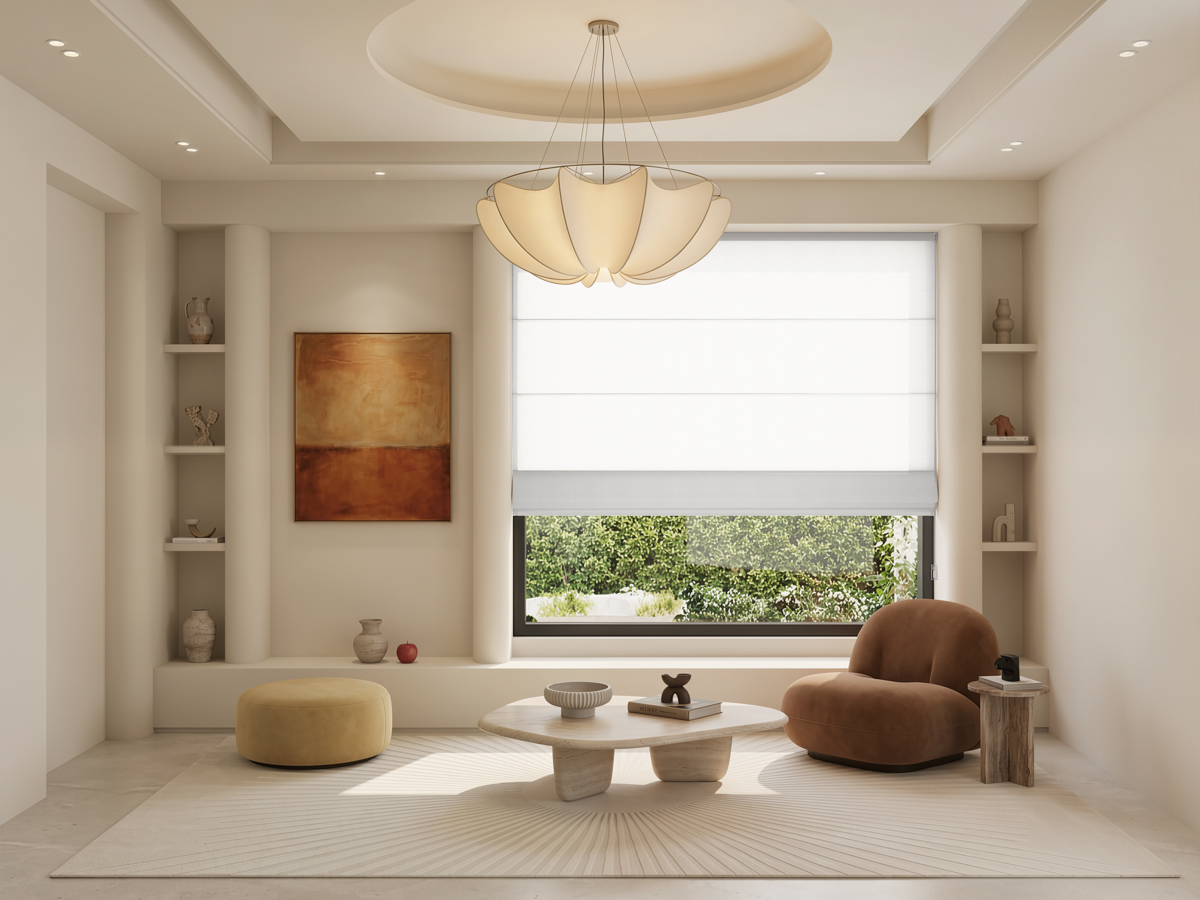
Modern Roman Blinds – An Elegant Window Decorating Solution for Every Space
In modern interior design, curtains and blinds do more than block sunlight and control light; they also help define the unique style of each space. Alongside traditional fabric curtains, Roman blinds are becoming an increasingly popular choice for homes, offices, and apartments thanks to their compact design, aesthetic appeal, and flexible light control.

Premium Faux Wood Blinds – An Elegant Interior Décor Solution | ZENDECOR
Premium faux wood blinds are an ideal choice for spaces that embrace elegance, modern style, and a natural aesthetic. Featuring a refined horizontal slat design, natural wood-grain finishes, and flexible light control, premium faux wood blinds not only enhance the appearance of windows but also create an impressive focal point that complements the overall interior design.
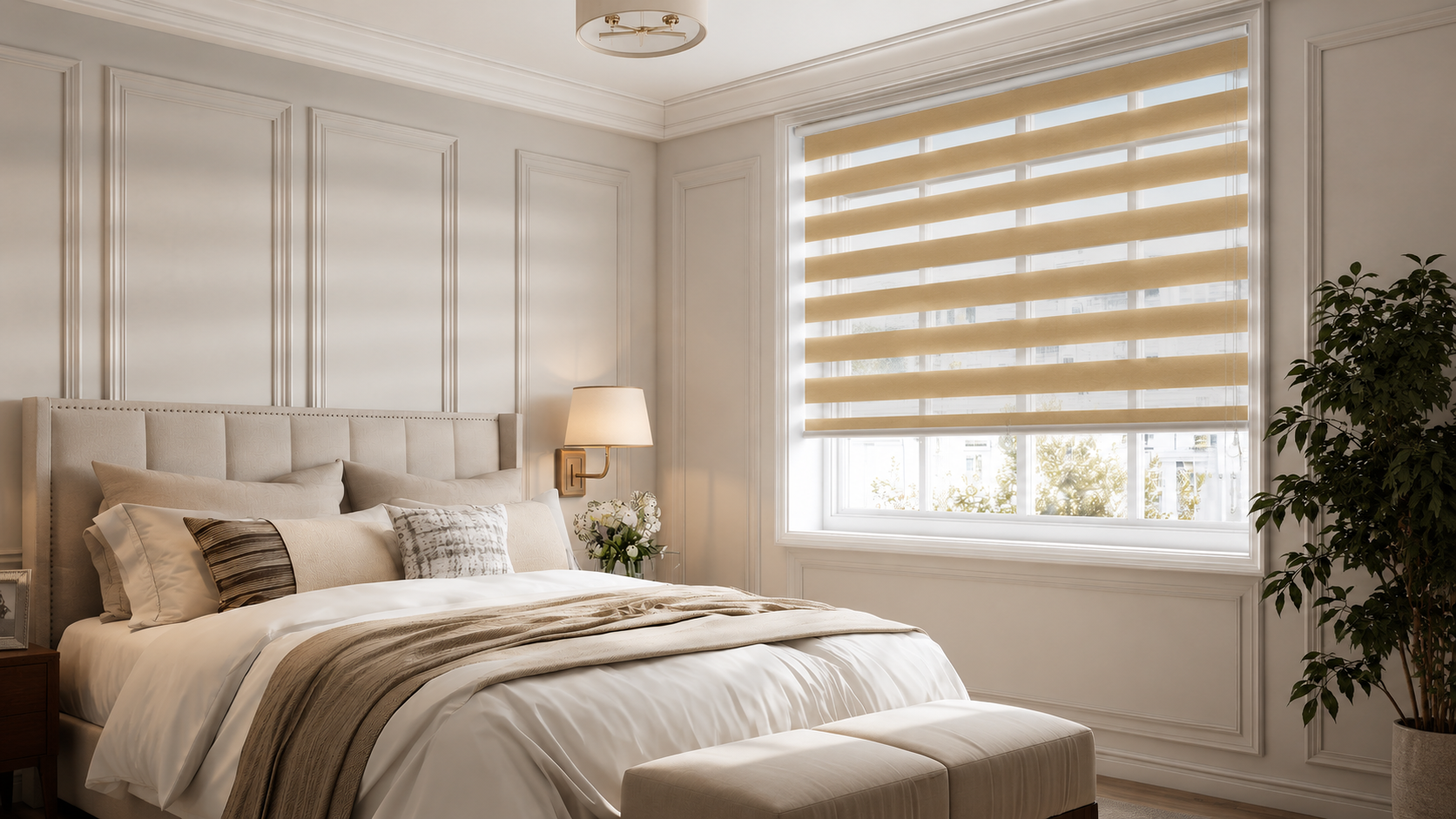
10+ Beautiful Combi Blinds for Bedrooms – Light Control, Privacy, and Elegance
The bedroom is a space for rest, relaxation, and recharging after a long day of work. Therefore, choosing the right window blinds not only helps control natural light but also enhances privacy, comfort, and the overall harmony of the room. In recent years, bedroom combi blinds, also known as rainbow blinds, have become increasingly popular among homeowners thanks to their modern design, flexible light control, and elegant appearance.
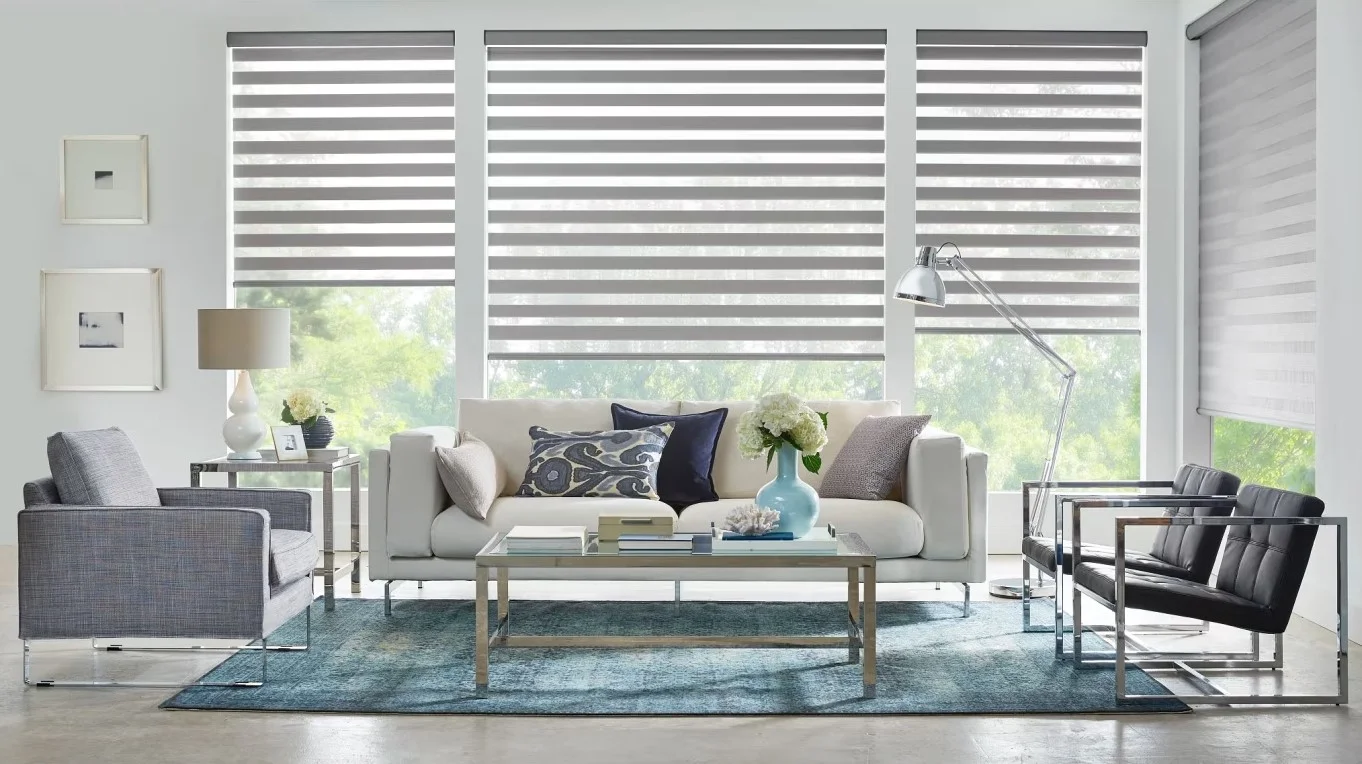
Sun-Blocking Zebra Blinds – A Popular Trend in Modern Window Treatments
In modern interior design, curtains not only provide sun protection and light control but also contribute to the elegant appearance of a living space. Among the window treatment options attracting attention from homeowners and offices today, high-quality sun-blocking zebra blinds stand out for their modern design, flexible light adjustment, and excellent aesthetic appeal.