
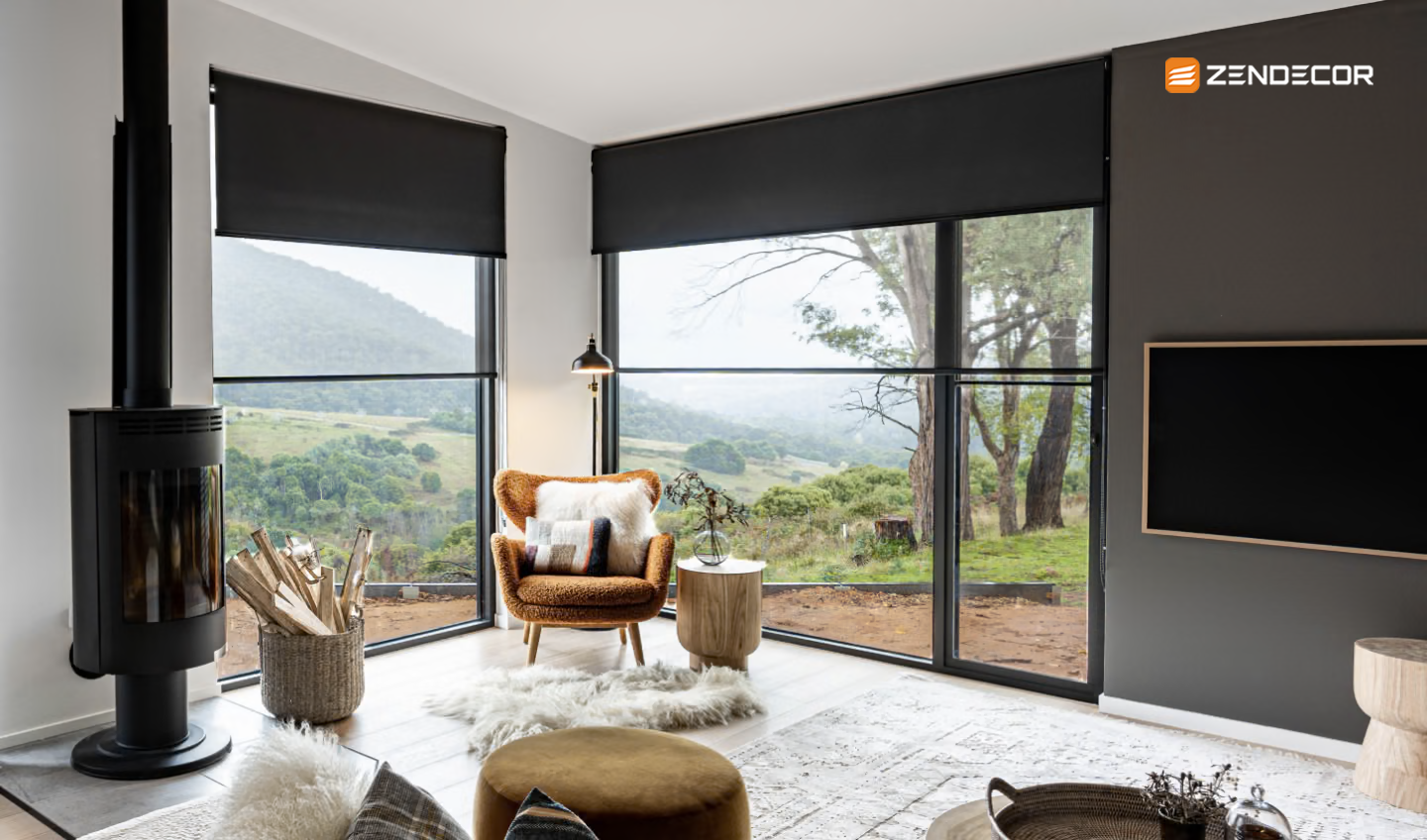
ZENDECOR Roller Blinds – Minimalist Elegance, Effective Light Control Solutions
In contemporary architecture, window treatments serve not only as a means of providing shade and privacy but also play an essential role in managing natural light, defining interior design styles, and enhancing the overall quality of living spaces.
With their minimalist design, flexible operation, and diverse range of materials, ZENDECOR roller blinds are an excellent window treatment solution for architectural projects that prioritize aesthetics, comfort, and functionality.
Without elaborate designs or intricate decorative details, roller blinds make a distinctive impression through their clean lines, understated elegance, and adaptability to various architectural styles.
1. What Are Roller Blinds? A Window Treatment Solution for Modern Architecture
Roller blinds are a type of window treatment featuring a single panel of fabric that rolls up or down around a roller mechanism positioned at the top of the window.
Unlike traditional fabric curtains, which create visual interest through soft folds, roller blinds feature a flat surface, clean lines, and a relatively compact, lightweight structure.
When not in use, the fabric rolls neatly upwards, maximizing the view and minimizing the space occupied around the window. When shading is required, users can adjust the height of the blinds to control the amount of natural light entering the room.
These characteristics make roller blinds suitable for a wide range of architectural projects, from apartments, townhouses, and villas to offices, hotels, and commercial spaces.
In modern interior design, roller blinds are more than just a shading solution. They contribute to creating a more cohesive, balanced, and comfortable architectural environment.
2. ZENDECOR Roller Blinds – When Minimalism Becomes the Language of Architecture
Minimalism in design does not mean eliminating every detail. Instead, it focuses on retaining only the essential elements to create a harmonious and well-balanced composition.
Roller blinds embody this philosophy through their seamless surfaces, compact structure, and ability to integrate effortlessly into various interior design styles.
Clean Lines and Understated Elegance
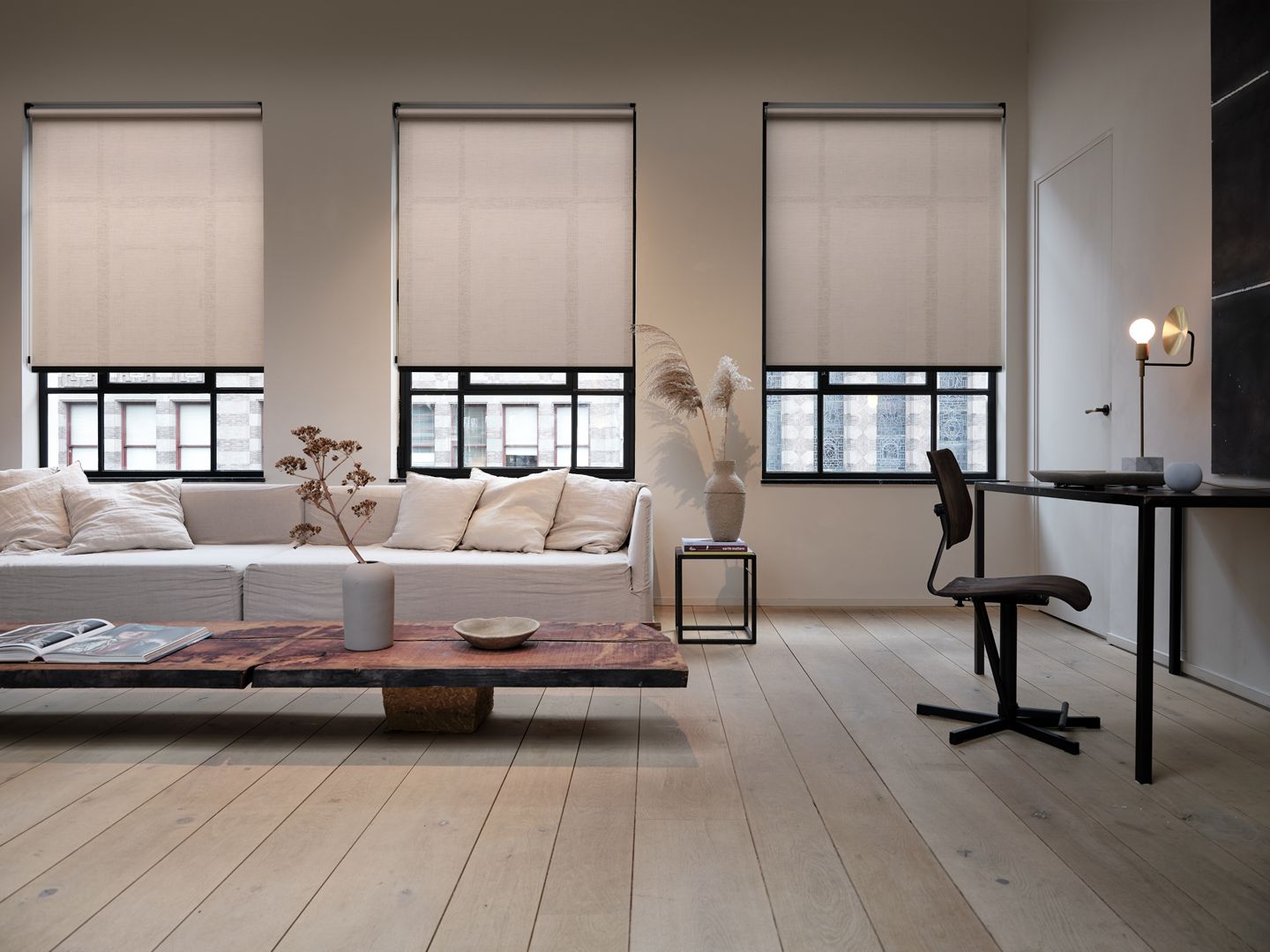
The flat design of roller blinds helps reduce visual clutter. When paired with large glazed windows, they create a sense of continuity between architectural lines and interior elements.
This advantage makes roller blinds particularly suitable for spaces embracing Modern, Minimalist, Scandinavian, or Japandi design styles.
Highlighting the Beauty of Materials
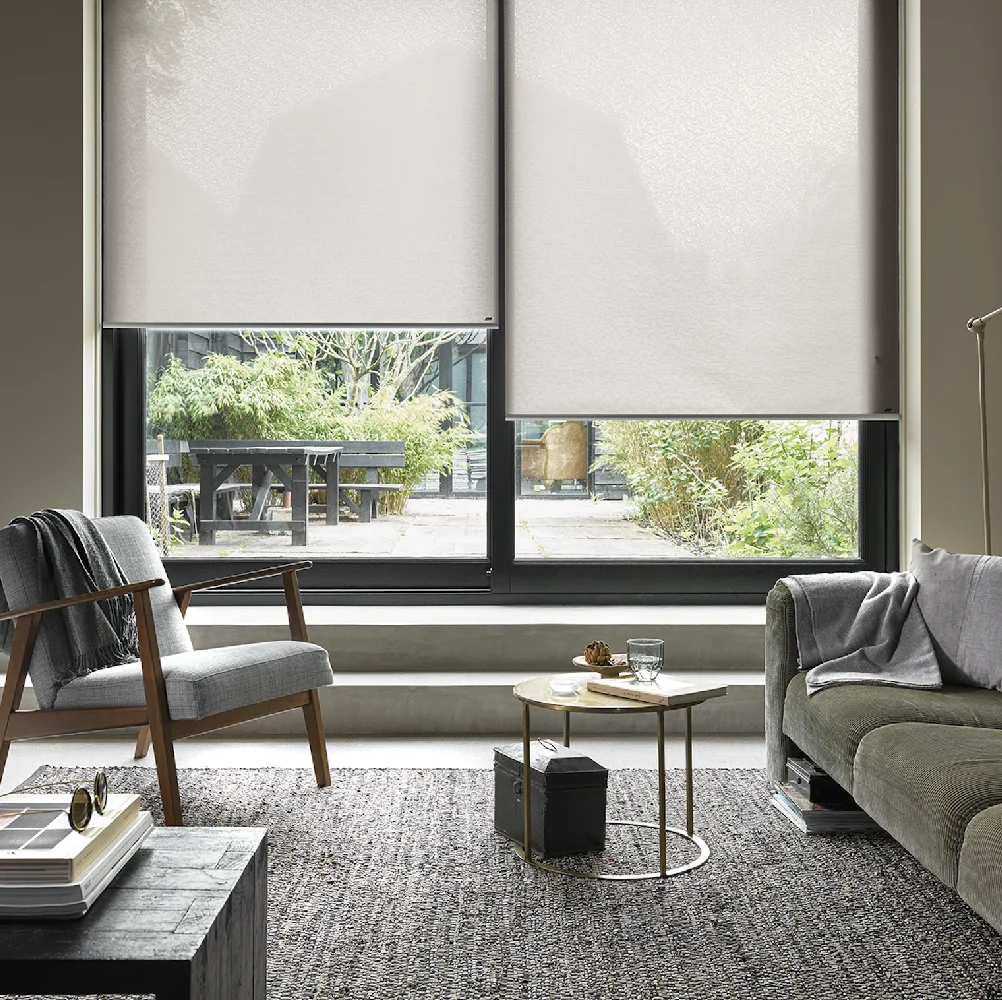
With minimal decorative details, color, surface texture, and fabric quality become the defining elements of the aesthetic appeal of roller blinds.
Materials featuring refined woven textures, natural tones, or subtle light-filtering effects can add depth and character to a space without the need for excessive decorative accessories.
Creating Visual Continuity Throughout the Space
Roller blinds integrate effortlessly with glazed windows, smooth wall surfaces, wooden furnishings, natural stone, and metal finishes.
Their understated presence allows the primary materials within a room to stand out while maintaining a clean, elegant, and visually uncluttered atmosphere.
3. Outstanding Benefits of Roller Blinds
Flexible Light Control
Natural light plays an essential role in shaping the atmosphere and overall quality of living spaces. However, without proper control, direct sunlight can cause glare, increase indoor temperatures, and affect everyday comfort.
Roller blinds allow users to adjust the height of the fabric according to different lighting conditions throughout the day.
Depending on the fabric selected, roller blinds can accommodate various requirements, including light filtering, glare reduction, protection from direct sunlight, and enhanced light-blocking performance.
Optimizing Space Utilization
Thanks to their compact rolling mechanism, roller blinds require less clearance on either side of the window than certain traditional curtain systems.
This feature is particularly beneficial for compact apartments, small windows, home offices, and spaces where furniture is positioned close to glazed windows.
Helping Reduce Solar Heat Gain
Certain specialized roller blind fabrics can help reduce the amount of solar radiation entering through glazed windows, contributing to improved indoor comfort during periods of intense sunlight.
Actual performance depends on the fabric properties, color, window orientation, glazing characteristics, and installation method.
Selecting the appropriate blind fabric can contribute to a more comfortable indoor environment.
Enhancing Privacy
Roller blinds can restrict visibility from outside, creating a greater sense of privacy in bedrooms, home offices, and personal living areas.
For spaces requiring a higher level of privacy, fabrics with low light transmission or specialized blackout materials are recommended.
Convenient Operation and Maintenance
Their simple construction, flat surfaces, and minimal folds make many types of roller blinds easier to clean than multilayered curtain systems.
Depending on the product configuration, roller blinds can also be operated conveniently through manual or motorized control systems.
4. Popular Types of Roller Blinds in Interior Design
Every space has unique lighting conditions and functional requirements. Understanding the different types of roller blinds can therefore help homeowners select the most suitable window treatment solution.
Light-Filtering Roller Blinds
Light-filtering roller blinds feature fabrics that allow a portion of natural light to pass through their surface.
Rather than blocking sunlight completely, these blinds soften its intensity, reduce glare, and maintain a bright, airy atmosphere within the room.
Light-filtering roller blinds are particularly suitable for living rooms, shared living areas, home offices, and spaces designed to maximize the benefits of natural daylight.
Blackout Roller Blinds
Blackout roller blinds are made from specialized fabrics designed to provide a high level of light-blocking performance.
They are an ideal choice for bedrooms, home theaters, meeting rooms, and other spaces requiring greater control over lighting conditions.
However, the ability to achieve complete darkness also depends on the gaps between the blinds and window frames, as well as the installation method.
Screen Roller Blinds
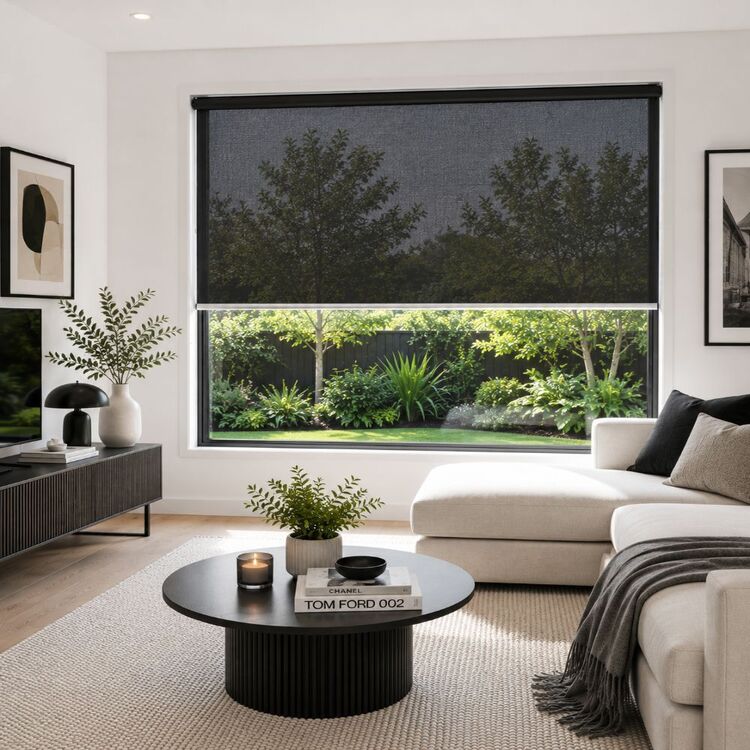
Screen roller blinds feature specially woven fabrics with a defined openness factor.
These blinds help reduce glare, preserve partial outdoor visibility, and maintain a visual connection between interior spaces and the surrounding landscape.
Screen roller blinds are particularly well suited to architectural projects featuring large glazed windows, contemporary offices, and spaces overlooking gardens or natural scenery.
It is important to note that the privacy provided by screen fabrics may vary depending on the relative lighting conditions indoors and outdoors, particularly at night.
Motorized Roller Blinds
Motorized roller blinds incorporate an electric motor to facilitate smooth raising and lowering of the fabric.
Depending on the control system, users can operate the blinds through remote controls, wall switches, or integration with compatible smart home ecosystems.
This solution is particularly worth considering for large glazed windows, high-positioned windows, and architectural projects designed to deliver a more convenient and sophisticated living experience.
5. Applications of Roller Blinds in Different Spaces
Roller Blinds for Living Rooms – Elegance and Spaciousness
The living room is a space that reflects the homeowner’s personal style and individuality.
In spaces featuring large glazed windows, roller blinds help regulate natural light without compromising the visual continuity of the architecture.
Creamy white, beige, light grey, and neutral grey tones can create a soft, harmonious atmosphere while complementing sofas, wooden furnishings, and natural materials.
Light-filtering roller blinds and screen roller blinds are excellent options for homeowners who wish to preserve natural daylight and maintain views of the surrounding landscape.
Roller Blinds for Bedrooms – Creating a Restful Retreat
In bedrooms, effective light control and privacy should be prioritized.
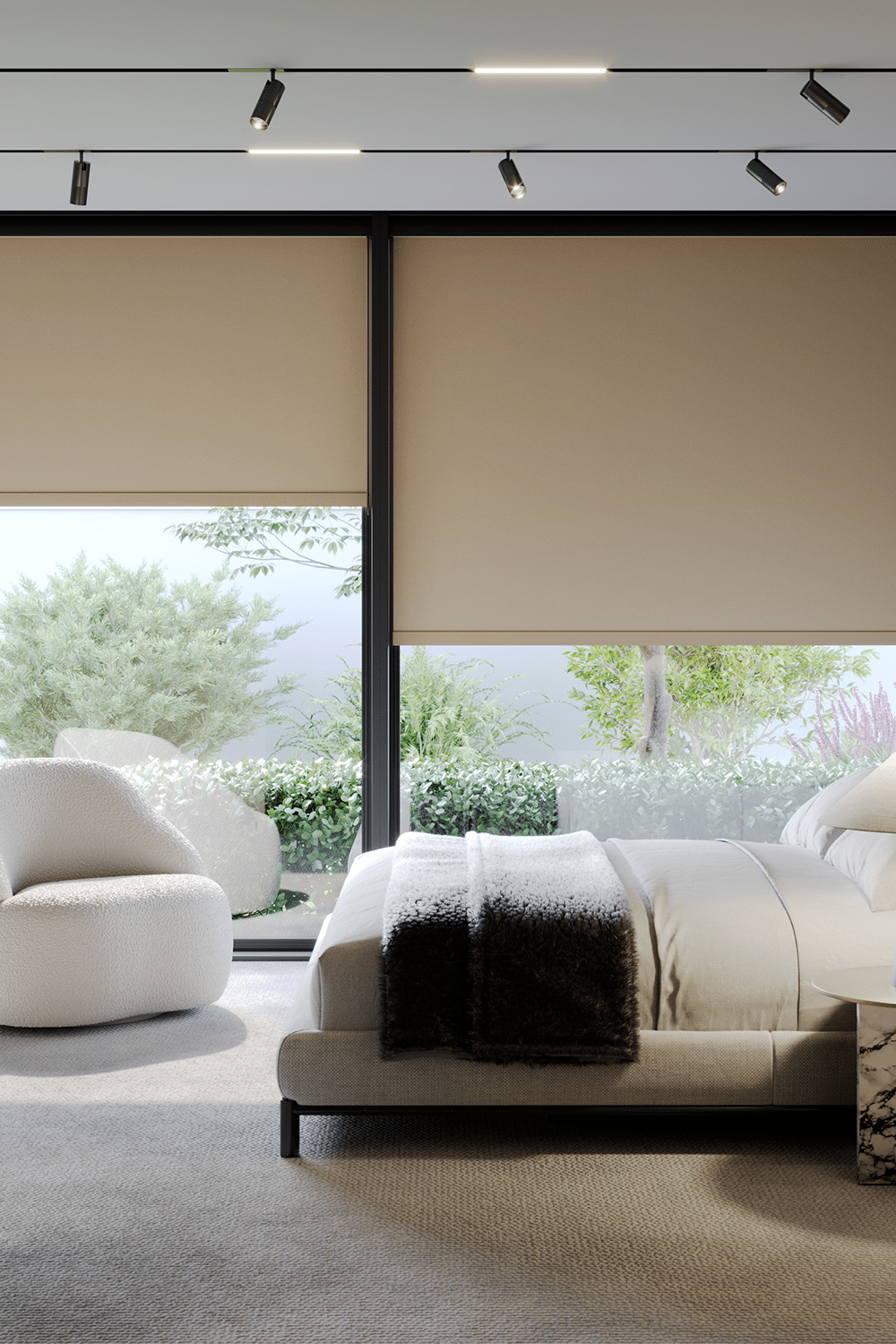
Blackout roller blinds help minimize external light, creating a more suitable environment for rest and relaxation.
Soft tones such as cream, light brown, warm grey, and beige can evoke a sense of tranquility while maintaining harmony with the bedroom interior.
Roller Blinds for Home Offices – Balancing Light and Concentration
Direct sunlight falling onto computer screens can cause reflections and glare, affecting visual comfort while working.
Roller blinds help regulate the amount of natural light entering the room, creating a more comfortable working environment.
For these spaces, fabrics that provide effective glare reduction while maintaining adequate natural illumination should be prioritized.
Roller Blinds for Offices – Professionalism and Visual Consistency
In office environments, window treatments must simultaneously meet requirements for functionality, visual consistency, and a professional appearance.
With their compact design, contemporary lines, and adaptability to multiple windows, roller blinds are a practical solution for workspaces, meeting rooms, and reception areas.
A consistent color palette also contributes to a polished and cohesive corporate image.
Roller Blinds for Villas, Hotels, and Resorts
In high-end hospitality and residential projects, window treatments not only provide shading and privacy but also contribute to shaping the overall user experience.
Roller blinds can be installed across glazed areas, reading rooms, home offices, corridors, and other spaces where a minimalist aesthetic is desired.
When carefully coordinated with suitable materials and colors, roller blinds enhance the beauty of the surrounding landscape, interior furnishings, and overall architectural design.
6. The Art of Choosing Roller Blind Colors
The color of window treatments directly influences the perception of light, spaciousness, and the overall style of a room.
Rather than selecting colors based solely on personal preferences, homeowners should consider the relationship between window treatments, wall colors, flooring, furnishings, and natural light sources.
White and Cream Roller Blinds: Create a light, airy, and elegant atmosphere, making them particularly suitable for minimalist and Scandinavian interiors.
Beige Roller Blinds: Introduce warmth and a welcoming atmosphere while complementing natural materials such as wood, stone, and linen.
Grey Roller Blinds: Convey a contemporary and sophisticated aesthetic, making them suitable for apartments, offices, and modern architectural spaces.
Brown Roller Blinds: Add visual depth and warmth, particularly in interiors featuring extensive use of wooden materials.
Dark-Colored Roller Blinds: Create distinctive accents and enhance visual contrast in spaces dominated by lighter color palettes.
From ZENDECOR’s design perspective, the most beautiful blind color is not necessarily the most striking one, but rather the one that brings different interior elements together into a cohesive and harmonious composition.
7. Which Interior Design Styles Are Best Suited to Roller Blinds?
Minimalist Style
Minimalism emphasizes simplicity, eliminates unnecessary details, and focuses on functional value.
With their flat surfaces, compact structure, and neutral color palettes, roller blinds are a natural choice for interiors that embrace this design philosophy.
Modern Style
Modern interior design emphasizes clean lines, well-organized layouts, and everyday convenience.
Roller blinds help maintain architectural coherence while providing flexible light control to accommodate different functional requirements.
Japandi Style
Japandi combines the minimalist philosophy of Japanese design with the warmth and understated elegance of Scandinavian interiors.
Roller blinds featuring natural tones, refined fabric textures, and soft color palettes can create a harmonious connection with this distinctive design style.
Contemporary Style
In contemporary architecture, window treatments are often regarded as an integral part of spatial organization and lighting design.
Roller blinds complement this philosophy through their flexible design, modern aesthetics, and emphasis on practical everyday experiences.
8. Comparing Roller Blinds with Other Types of Window Treatments
Each type of window treatment has its own distinctive design language and functional advantages.
|
Criteria |
Roller Blinds |
Double-Layer Curtains |
Honeycomb Blinds |
Vertical Blinds |
|---|---|---|---|---|
|
Design |
Flat and minimalist |
Soft and elegant |
Compact with cellular air pockets |
Clean vertical lines |
|
Light Control |
Adjustable height and fabric properties |
Flexible control through two curtain layers |
Depends on fabric and configuration |
Adjustable slat angles |
|
Installation Space |
Relatively compact |
Requires space for fabric folds |
Relatively compact |
Suitable for wide window systems |
|
Thermal Insulation Support |
Depends on fabric properties |
Depends on fabric thickness and construction |
Notable for its cellular air-pocket structure |
Depends on material properties |
|
Suitable Interior Styles |
Modern and minimalist |
Various interior design styles |
Modern and comfort-oriented |
Contemporary and office interiors |
Roller blinds are particularly well suited to architectural projects that prioritize visual simplicity, practicality, and clearly defined architectural lines.
However, no single type of window treatment is universally suitable for every space. The ideal choice should be based on the specific architectural characteristics of the project and the actual functional requirements of its occupants.
9. Expert Tips for Choosing Stylish and Suitable Roller Blinds
Identify Your Light Control Requirements
Before selecting roller blinds, it is important to determine whether the space requires light filtering, glare reduction, or a high level of light-blocking performance.
Living rooms and home offices generally benefit from natural daylight, while bedrooms may prioritize blackout performance and enhanced privacy.
Consider Window Orientation and Sun Exposure
West-facing windows or those frequently exposed to direct sunlight require careful consideration of the fabric’s ability to reduce solar radiation.
For spaces with limited sunlight, light-filtering fabrics may be a more suitable choice for maintaining a bright and airy atmosphere.
Select the Right Fabric
Fabric selection influences light transmission, surface stability, aesthetic appeal, and maintenance requirements.
Homeowners should examine fabric samples under actual lighting conditions to gain a more accurate understanding of their colors, textures, and light-filtering effects.
Prioritize the Quality of Hardware and Accessories
A well-designed roller blind system should be complemented by suitable roller tubes, mounting brackets, and operating mechanisms.
The quality of these components directly affects operational stability, ease of use, and the overall lifespan of the blinds.
For households with young children, cordless roller blinds or systems equipped with child-safe cord mechanisms should be prioritized.
Choose an Appropriate Installation Method
Depending on the architectural characteristics of the space, roller blinds can be installed inside the window frame, outside the window frame, or integrated into recessed blind pockets.
An appropriate installation method enhances visual appeal, minimizes light gaps, and ensures convenient operation.
10. How to Clean and Maintain Roller Blinds
To preserve their aesthetic appeal and long-term performance, roller blinds should be cleaned and maintained according to the specific characteristics of their materials.
Here are some essential maintenance recommendations:
-
Regularly remove dust using a soft cloth or a vacuum cleaner on a low suction setting.
-
Clean minor stains according to the care instructions for the specific fabric.
-
Avoid using harsh cleaning agents without confirming their compatibility with the material.
-
Prevent moisture from coming into contact with the roller mechanism, motor, and hardware components.
-
Avoid rolling up the blinds while the fabric is still damp.
-
Periodically inspect the operating mechanism for signs of wear or irregularities.
Proper maintenance not only helps preserve the beauty of roller blinds but also contributes to extending their service life.
11. What Factors Influence the Cost of Roller Blinds?
The cost of installing roller blinds may vary depending on the architectural characteristics of the project and the specific requirements of each customer.
Key factors influencing roller blind prices include:
-
Fabric composition and origin.
-
Light-filtering, blackout, and solar radiation reduction performance.
-
Window dimensions and the number of windows.
-
Quality of roller mechanisms and hardware components.
-
Manual or motorized operating systems.
-
Installation conditions and project-specific finishing requirements.
Rather than focusing solely on the initial purchase price, customers should consider the overall balance between product quality, aesthetic appeal, durability, and long-term user experience.
The ideal window treatment solution is one that meets practical requirements while remaining aligned with the available investment budget.
12. Frequently Asked Questions About Roller Blinds
Are Roller Blinds Suitable for Living Rooms?
Yes. Roller blinds are particularly suitable for living rooms featuring modern or minimalist interiors, as well as spaces with large glazed windows. Homeowners can select light-filtering fabrics to maintain a bright, open, and airy atmosphere.
Do Roller Blinds Provide Effective Sun Protection?
The level of sun protection depends on the characteristics of the selected fabric. Specialized materials can help reduce glare, minimize direct sunlight, and limit the amount of solar radiation entering the room.
Are Roller Blinds Suitable for Small Windows?
Yes. Thanks to their compact design and upward rolling mechanism, roller blinds are an excellent choice for various types of windows with limited available space.
Should Roller Blinds Be Used in Bedrooms?
Blackout roller blinds are a worthwhile option for bedrooms, particularly for homeowners who appreciate minimalist interiors and require effective light control to create a comfortable and private resting environment.
Can Roller Blinds Be Combined with Fabric Curtains?
Absolutely. Roller blinds can provide effective light control, while fabric curtains introduce softness, texture, and visual depth to the interior.
However, sufficient installation clearance should be considered to ensure that both window treatment systems operate smoothly and conveniently.
13. ZENDECOR – Creating Exceptional Living Spaces Through Refined Window Treatment Solutions
At ZENDECOR, window treatments are more than just interior furnishings. They serve as a means of connecting light, materials, architecture, and human emotions.
Every space has its own distinctive characteristics in terms of sun exposure, window proportions, design style, and functional requirements. Therefore, an appropriate window treatment solution should be developed through a comprehensive understanding of the space rather than focusing solely on its visual appearance.
With its roller blinds, ZENDECOR embraces the following core values:
-
Minimalism in design.
-
Harmony between materials and colors.
-
Optimized light control.
-
Enhanced comfort and convenience in everyday use.
-
Celebration of the unique architectural beauty of each project.
A beautifully designed window treatment does not necessarily need to become the focal point of a room. Instead, its thoughtful presence should enhance the overall value and aesthetic appeal of the entire space.
ZENDECOR roller blinds represent a harmonious combination of minimalist design philosophy, flexible light control, and practical functionality for modern living.
From apartments, townhouses, and villas to offices and hospitality spaces, roller blinds can become a refined architectural element when carefully selected in terms of materials, colors, and installation methods.
Without extravagant embellishments or elaborate details, roller blinds make a distinctive impression through their balance of functionality and aesthetics — timeless values that continue to define contemporary architecture.
ZENDECOR Roller Blinds – Refined Simplicity, Masterful Light Control, Elevated Living Experiences.
Contact ZENDECOR for expert consultation on roller blind solutions tailored to the architectural style and functional requirements of your space.
Related articles
View all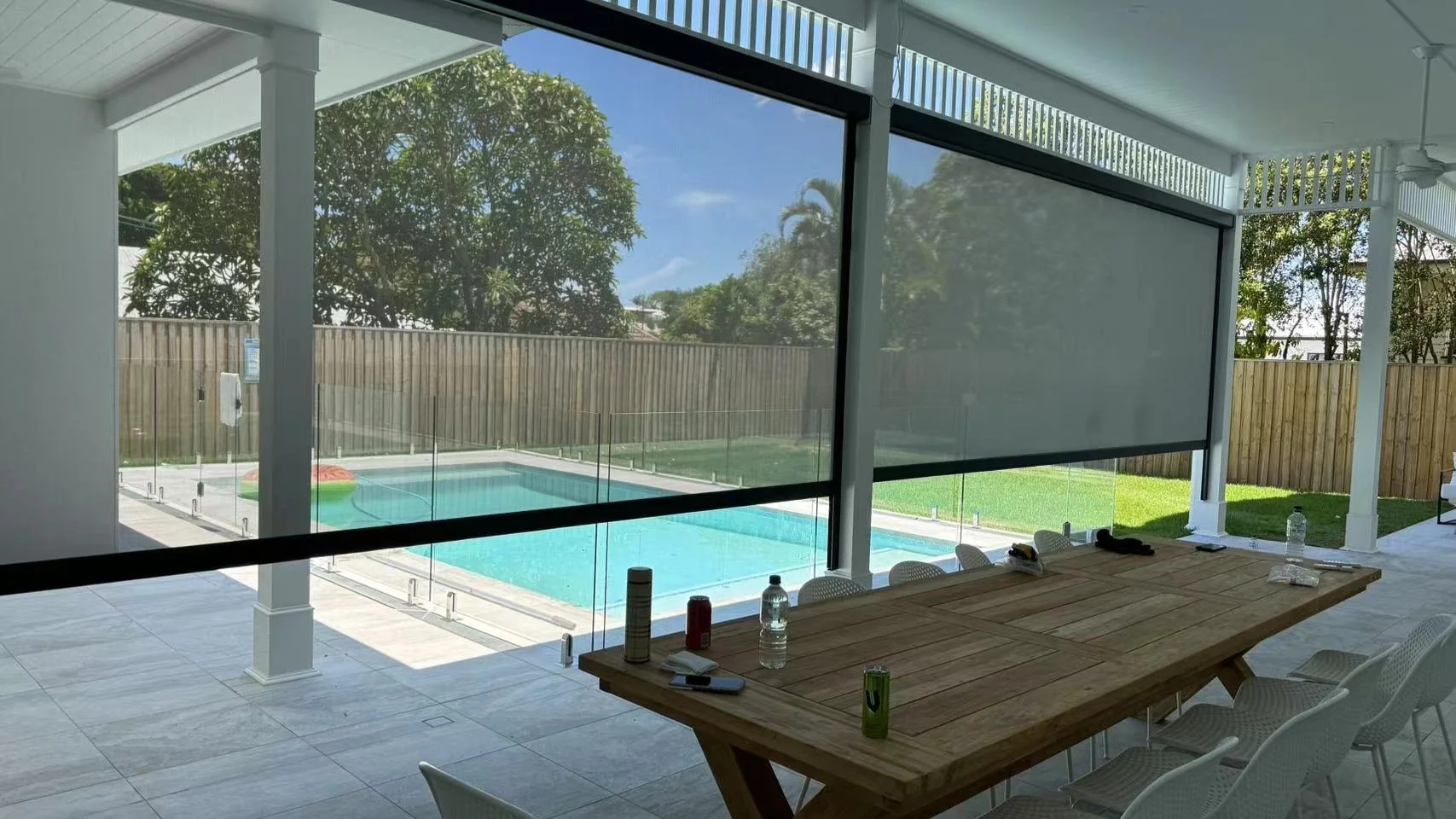
ZipScreen Outdoor Blinds – Embracing a Lifestyle Closer to Nature
Discover ZENDECOR ZipScreen outdoor blinds with integrated guide rails, flexible sun control, and refined aesthetics for comfortable outdoor living spaces.
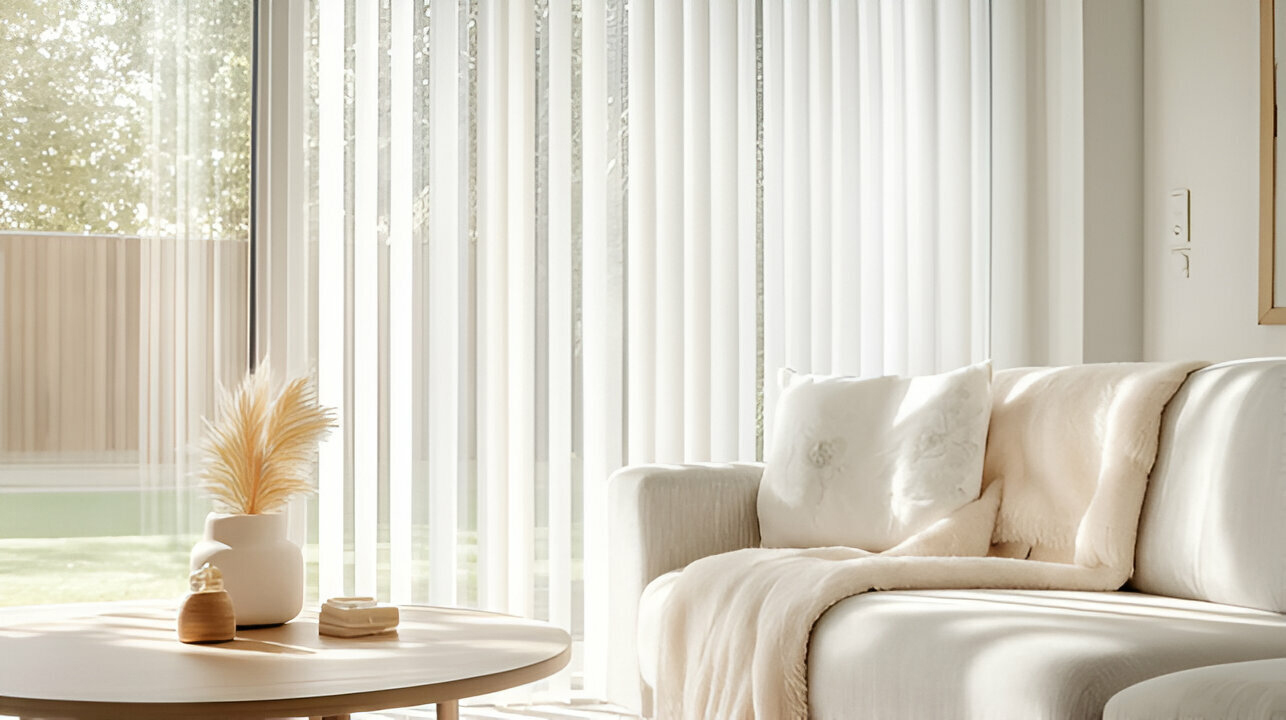
Vertical Blinds – Flexible Light Control for Modern Living Spaces
In modern interior design, window coverings not only serve to control light and protect privacy but also play an important role in defining interior style and enhancing the overall aesthetic appeal of a space. With their elegant design, refined lines, and flexible light control, vertical blinds are becoming an increasingly attractive choice for residential properties, offices, hotels, and commercial spaces.
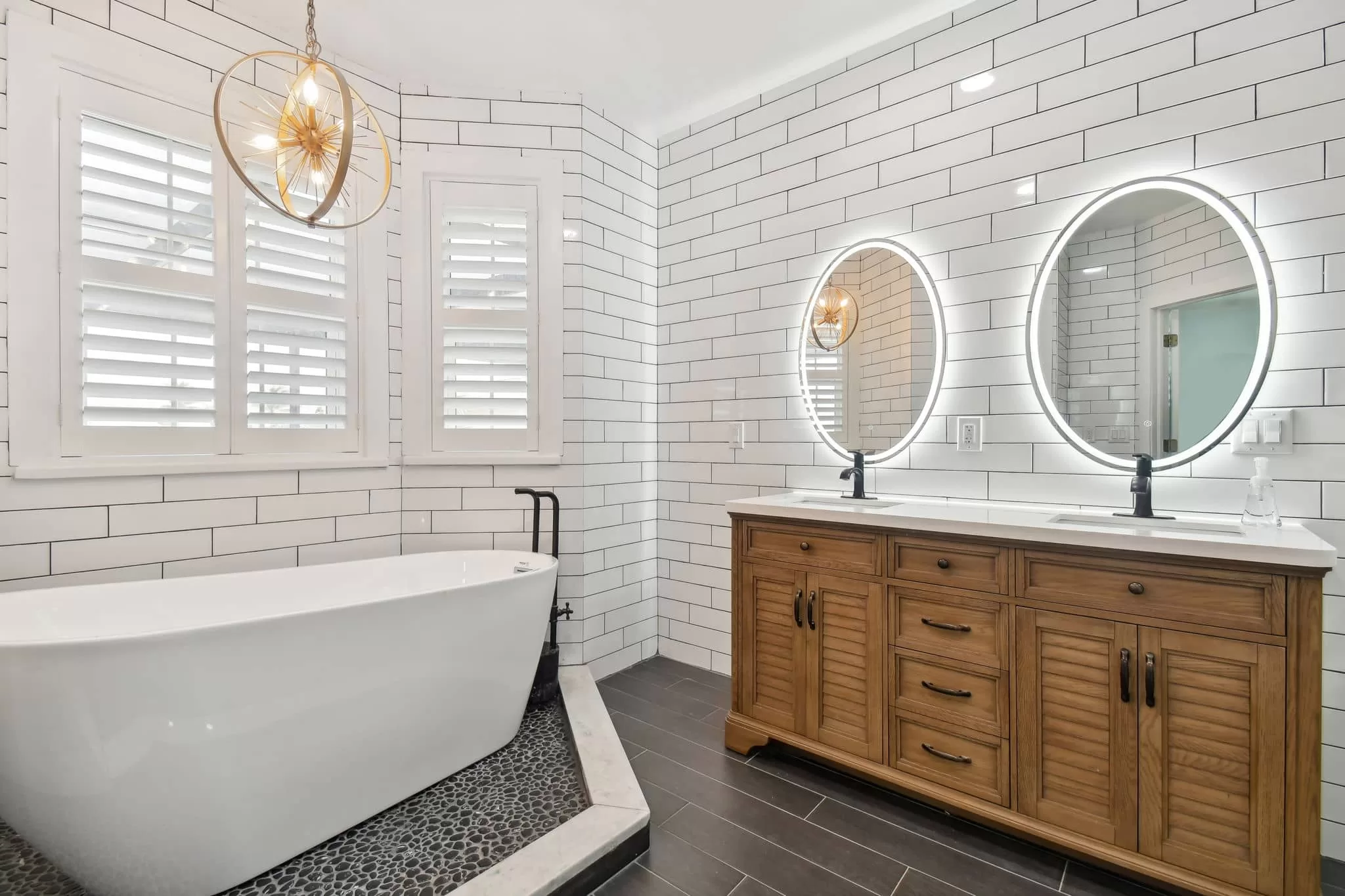
Which Blinds Are Best for Bathrooms? Tips for Choosing Stylish, Durable, and Moisture-Resistant Blinds
The bathroom is more than just a space for daily routines; it is also a personal retreat for relaxation and rejuvenation after a long day. Alongside bathroom fixtures, lighting, and interior materials, window blinds play an important role in enhancing aesthetics, ensuring privacy, and elevating the overall experience of the space.
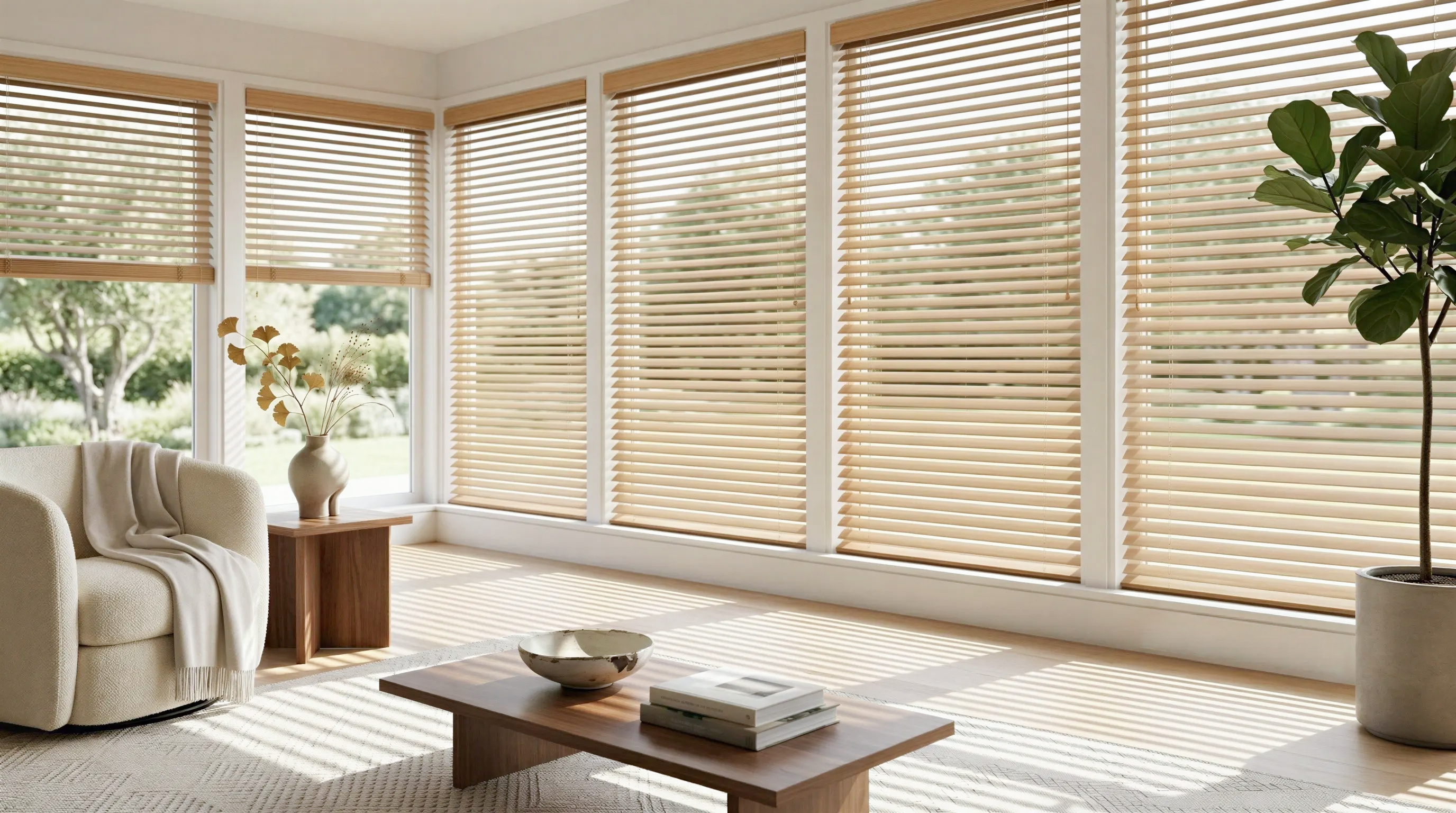
Wooden Venetian Blinds – The Essence of Natural Materials, a Touch of Aesthetic Elegance in Every Window
In interior design, the beauty of a space is not solely defined by expensive furniture or elaborate decorative details. Sometimes, it is the harmonious balance of light, materials, and colors that creates a sense of elegance, warmth, and depth.