
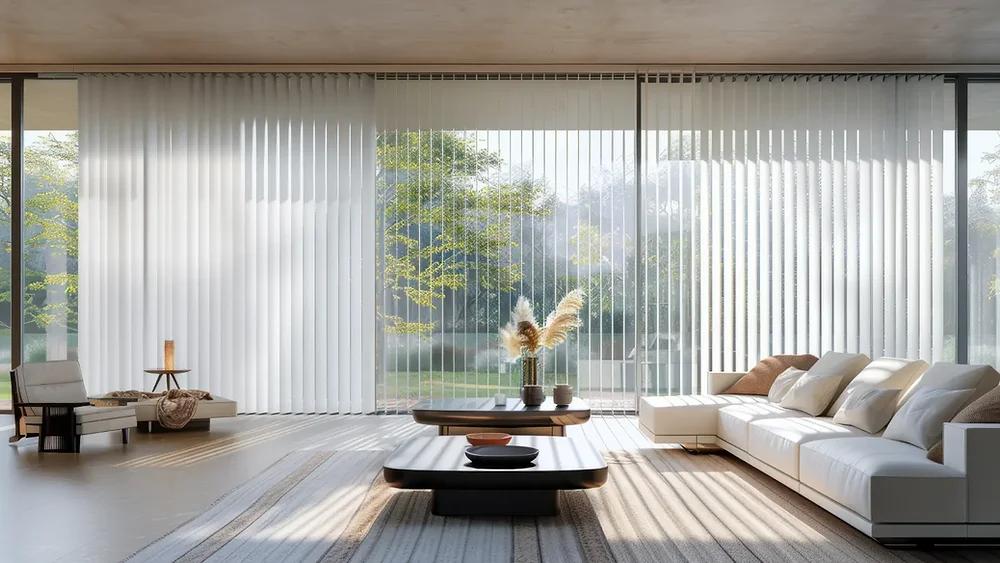
Vertical Blinds in Contemporary Architecture – Where Functionality Meets Aesthetics
In contemporary architecture, the beauty of a space is not defined solely by expensive furniture or elaborate layouts. It is also shaped by the harmonious balance between functionality and aesthetics. Every design detail contributes to the overall living experience, from natural lighting, colors, and materials to carefully selected window treatment solutions.
Among these elements, vertical blinds are becoming an increasingly popular choice for homeowners, offices, and modern architectural projects. Featuring vertically arranged fabric slats that can be easily tilted, vertical blinds not only provide effective light control but also bring an elegant, neat, and professional appearance to any space.
Unlike traditional fabric curtains, which offer a softer and more decorative look, or conventional roller blinds with their simple structure, vertical blinds stand out through their distinctive vertical lines and flexible light adjustment capabilities.
So, what makes vertical blinds such a popular window treatment solution in contemporary architecture? Which type of vertical blinds is best suited for living rooms, offices, or large glass windows? Let's explore the outstanding features and benefits of vertical blinds with ZenDecor.
1. What Are Vertical Blinds? Key Features in Modern Interior Design
Vertical blinds are a type of window covering consisting of individual slats arranged parallel to one another in a vertical direction and connected to a headrail system at the top.
The slats can be tilted at different angles to control the amount of natural light entering a room. When a wider view or more natural light is desired, the slats can be drawn to one side or divided into two sections, depending on the system's configuration.
A typical vertical blind system consists of the following components:
-
Headrail: The upper mounting component that supports and guides the movement of the blind slats.
-
Vertical Slats: Individual strips of material that form the window covering.
-
Operating Mechanism: A cord, tilting mechanism, or control system, depending on the product design.
-
Connecting Accessories: Components that link the slats together and ensure smooth, coordinated operation.
One of the most distinctive features of vertical blinds is their ability to provide window coverage while allowing users to adjust the direction of incoming light without raising or lowering the entire blind.
In modern architecture, this design offers several advantages:
-
Creates a sense of height and openness through its clean vertical lines.
-
Works particularly well with large glass windows and tall window openings.
-
Allows flexible light adjustment throughout the day.
-
Provides privacy while still allowing natural light to enter.
-
Blends easily with a wide range of interior design styles.
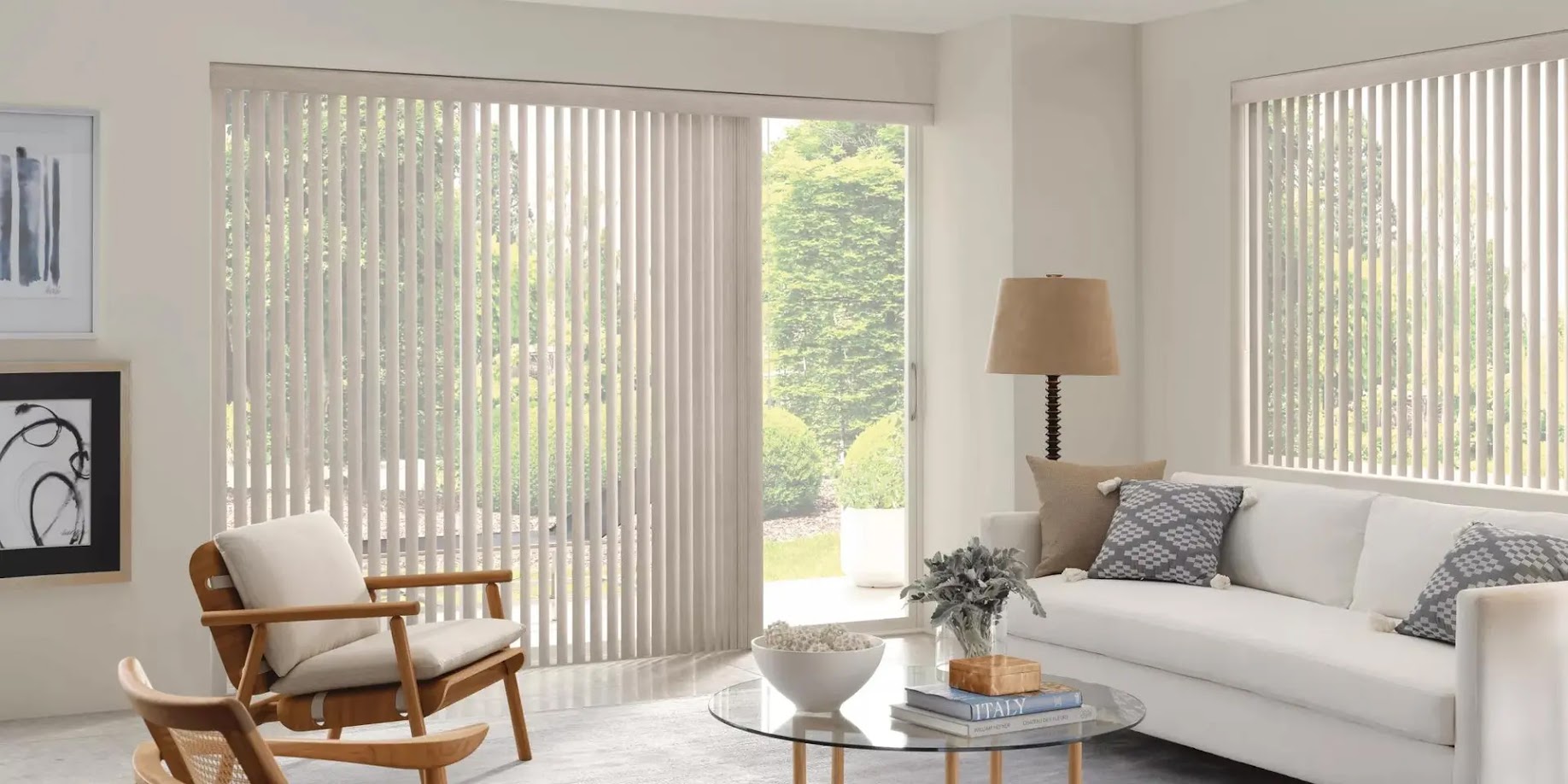
2. Why Are Vertical Blinds Popular in Contemporary Architecture?
Contemporary architecture focuses on balancing visual appeal, functionality, and user experience. Modern interior designs increasingly favor clean lines, innovative materials, and effective use of natural light.
Vertical blinds meet many of these design requirements.
2.1. Elegant Design That Enhances Interior Spaces
Unlike elaborate curtain systems with multiple fabric layers and decorative details, vertical blinds offer a minimalist appearance with evenly arranged slats.
Their clean vertical lines create a neat, organized look, allowing windows to become a harmonious part of the overall architectural design.
When installed on large glass windows or floor-to-ceiling openings, vertical blinds can make a space feel more balanced, refined, and visually spacious.
They are an excellent choice for homeowners who appreciate modern, elegant, and understated interiors.
2.2. Flexible Light Control
Natural light plays an essential role in interior design. However, direct sunlight can cause glare, interfere with daily activities, and increase indoor temperatures.
Vertical blinds allow users to tilt the slats at different angles to control the amount of light entering a room.
In the morning, the slats can be slightly adjusted to welcome soft natural light. When sunlight becomes stronger, they can be tilted to reduce direct exposure. For greater privacy, the slats can be fully closed.
This flexibility allows users to create comfortable lighting conditions throughout the day.
2.3. Ideal for Large Glass Window Systems
One of the most notable applications of vertical blinds is their suitability for wide glass windows, tall windows, and office glass partitions.
Their vertically arranged slats create a consistent appearance across large window openings. During operation, the slats can be tilted or drawn aside to provide a wider view.
This is why vertical blinds are commonly found in office buildings, meeting rooms, shopping centers, and other contemporary architectural projects.
2.4. Space-Saving Design Without a Bulky Appearance
Thanks to their streamlined construction, vertical blinds do not take up much space around windows.
When installed close to the ceiling or directly above a window frame, the system creates a clean, continuous appearance without obstructing the surrounding area.
This makes vertical blinds particularly suitable for apartments, workspaces, and interiors where efficient space utilization is important.
2.5. Easy to Match with Different Interior Styles
From minimalist and contemporary interiors to professional office environments, vertical blinds can complement a wide variety of design concepts.
By choosing the right colors, materials, and slat dimensions, you can create a harmonious interior without relying on excessive decorative elements.
3. Popular Types of Vertical Blinds Available Today
Depending on their materials, designs, and intended applications, vertical blinds are available in several options. Understanding the characteristics of each type will help you select the most suitable product.
3.1. Fabric Vertical Blinds – Elegant and Soft
Fabric vertical blinds are a popular choice thanks to their wide selection of colors, materials, and compatibility with different interior styles.
The individual slats are made from specialized fabrics that may offer light-filtering, translucent, or blackout properties, depending on their construction.
Key Advantages:
-
Combine a soft appearance with clean, modern lines.
-
Available in a wide range of colors and materials.
-
Allow flexible light adjustment by tilting the slats.
-
Suitable for large glass windows and various interior spaces.
-
Easy to coordinate with residential and office furniture.
Fabric vertical blinds are suitable for living rooms, home offices, meeting rooms, apartments, and commercial buildings.
3.2. Blackout Vertical Blinds – A Solution for Greater Privacy
For areas exposed to strong sunlight or spaces where limiting outside visibility is important, vertical blinds made from light-blocking materials are worth considering.
The slats are manufactured using suitable materials and fabric structures designed to reduce light penetration.
Advantages:
-
Help reduce the amount of sunlight entering a room.
-
Enhance indoor privacy.
-
Minimize glare when using computers or televisions.
-
Suitable for large glass windows.
Actual light-blocking performance depends on the fabric's specifications and how closely the slats overlap when closed.
3.3. Neutral-Colored Vertical Blinds – Minimalist and Modern Appeal
Neutral shades such as white, cream, beige, grey, and charcoal are popular choices in contemporary architectural projects.
These colors are easy to coordinate with different interior styles while maintaining a refined appearance over time.
In particular, grey and charcoal vertical blinds can create a professional and coordinated look in offices and meeting rooms with extensive glass surfaces.
4. Which Spaces Are Suitable for Vertical Blinds?
Vertical blinds are no longer limited to office environments. They are increasingly used in residential and commercial projects.
4.1. Vertical Blinds for Living Rooms
The living room is a central space that reflects the homeowner's personal style and aesthetic preferences.
For living rooms with large glass windows, vertical blinds are an attractive option thanks to their elegant appearance and flexible light control.
You can choose white, cream, or light grey vertical blinds to create a bright, spacious, and relaxing atmosphere.
For living rooms featuring wooden furniture, beige and light brown shades are also excellent choices.
4.2. Vertical Blinds for Office Spaces
Offices are among the most common environments where vertical blinds are installed.
Many modern offices feature large glass windows to maximize natural daylight. However, direct sunlight can create glare on computer screens and affect working comfort.
Vertical blinds help adjust the direction of incoming light, creating a more comfortable working environment.
Their clean and organized appearance also contributes to a professional corporate image.
4.3. Vertical Blinds for Meeting Rooms
Meeting rooms require privacy, concentration, and effective light control.
Vertical blinds help limit visibility from outside while allowing users to adjust lighting conditions during presentations and screen-based meetings.
Neutral shades such as grey, charcoal, and white are particularly suitable for these spaces.
4.4. Vertical Blinds for Hotels and Commercial Buildings
In hotels, resorts, and commercial buildings, large glass windows are often incorporated to create wider views and maximize natural light.
Vertical blinds provide an effective balance between aesthetic appeal and practical functionality.
When their colors and materials are coordinated with the interior design, they help create a modern and sophisticated atmosphere throughout the property.
4.5. Vertical Blinds for Apartments
For apartments with balcony glass doors or large windows, vertical blinds offer an effective way to control natural light without making the interior look cluttered.
Their vertical design also creates the impression of taller, more elegant windows.
Depending on individual requirements, homeowners can choose light-filtering or blackout materials for different areas of the apartment.
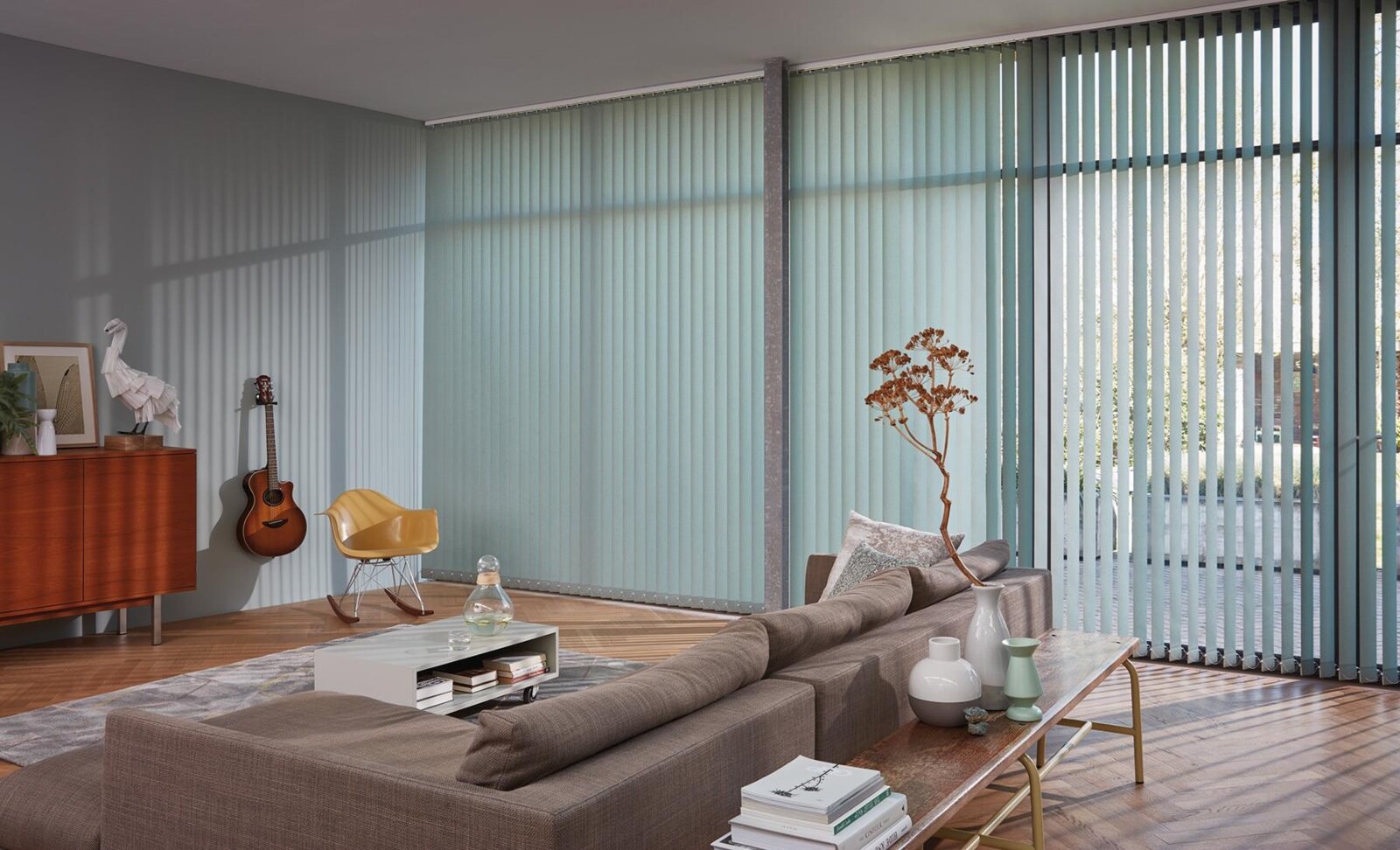
5. How to Choose Beautiful Vertical Blinds to Match Your Interior Design
Beautiful vertical blinds should harmonize with the overall appearance of a room. Therefore, in addition to material selection, color is another important factor to consider.
5.1. White Vertical Blinds – Light and Sophisticated
White creates a clean, elegant atmosphere and helps make interiors appear brighter.
It is an excellent choice for modern apartments, minimalist living rooms, and open-plan office environments.
5.2. Cream Vertical Blinds – Warm and Luxurious
Cream offers a soft, comfortable appearance without being overly prominent.
This shade works particularly well with wooden furniture, light-colored flooring, and contemporary interiors that incorporate warm design elements.
5.3. Grey Vertical Blinds – Professional and Modern
Grey is a popular choice for offices and meeting rooms.
Its refined appearance makes it easy to coordinate with office furniture, equipment, and glass window systems.
5.4. Charcoal Vertical Blinds – Distinctive and Minimalist
Charcoal and darker grey shades are suitable for interiors that embrace contemporary, minimalist, or industrial design styles.
When combined with aluminum window frames, metal furniture, and neutral color schemes, charcoal vertical blinds create a sophisticated and distinctive appearance.
Helpful Tip: Before choosing your blind color, consider the wall finishes, flooring, window frames, and actual lighting conditions in the room. If you are unsure how to coordinate colors, neutral shades are generally a versatile choice that works well with most interior styles.
6. Vertical Blinds vs. Other Window Treatments – Which Should You Choose?
Each type of window covering offers its own advantages. Your choice should depend on the architectural style, window dimensions, and intended use.
| Criteria | Vertical Blinds | Roller Blinds | Fabric Curtains |
|---|---|---|---|
| Design | Vertically arranged slats | Fabric rolls up and down | Pleated or wave-style fabric |
| Light Control | Tilt the slats | Raise or lower the fabric | Draw to either side |
| Style | Modern and professional | Minimalist and streamlined | Soft and luxurious |
| Suitable Spaces | Offices, large glass windows | Windows, offices | Living rooms, bedrooms |
| Decorative Appeal | Elegant and minimalist | Neat and contemporary | Versatile and highly decorative |
Choose vertical blinds if: You prefer a clean vertical design, want to adjust light by tilting the slats, and need a practical solution for large glass windows.
Choose roller blinds if: You prioritize a compact design, simple operation, and space-saving functionality.
Choose fabric curtains if: You want a softer, more luxurious atmosphere with a wide variety of decorative styles and fabric options.
7. Tips for Choosing and Installing Vertical Blinds
To ensure your vertical blinds look attractive and operate reliably, consider the following factors before installation.
7.1. Measure Window Dimensions Accurately
Dimensions are an important factor affecting both appearance and coverage.
You should determine the window width, height, and the appropriate headrail installation position. For large glass windows, an on-site assessment is recommended to identify the most suitable installation solution.
7.2. Select Materials Based on Your Requirements
For spaces that require plenty of natural daylight, light-filtering materials are a suitable option.
For areas where privacy or sunlight reduction is a priority, choose materials with appropriate light-blocking properties.
7.3. Pay Attention to the Operating Components
The headrail, control cords, tilting mechanism, and connecting accessories directly affect the performance of vertical blinds.
Choose products with suitable, durable components that are easy to maintain.
7.4. Choose an Experienced Installation Provider
An experienced installation provider can assess the installation location, recommend suitable materials, take accurate measurements, and complete the installation according to technical requirements.
This is particularly important for projects involving large glass windows or customized architectural designs.
8. How to Use and Maintain Vertical Blinds for Long-Lasting Performance
Vertical blinds have a relatively simple construction. However, proper operation, cleaning, and maintenance are essential to preserving their appearance and functionality.
Here are some important recommendations:
-
Return the slats to the correct position before drawing the blinds, following the manufacturer's operating instructions.
-
Avoid pulling the control cords too forcefully or abruptly.
-
Remove dust regularly using a soft cloth or suitable cleaning tools.
-
Do not use strong cleaning chemicals without first checking their compatibility with the fabric.
-
Inspect the headrail and accessories if the slats do not rotate evenly.
-
Prevent children from applying excessive force to the control cords and operating components.
Regular cleaning and maintenance not only keep your blinds looking fresh and attractive but also help maintain smooth and reliable operation.
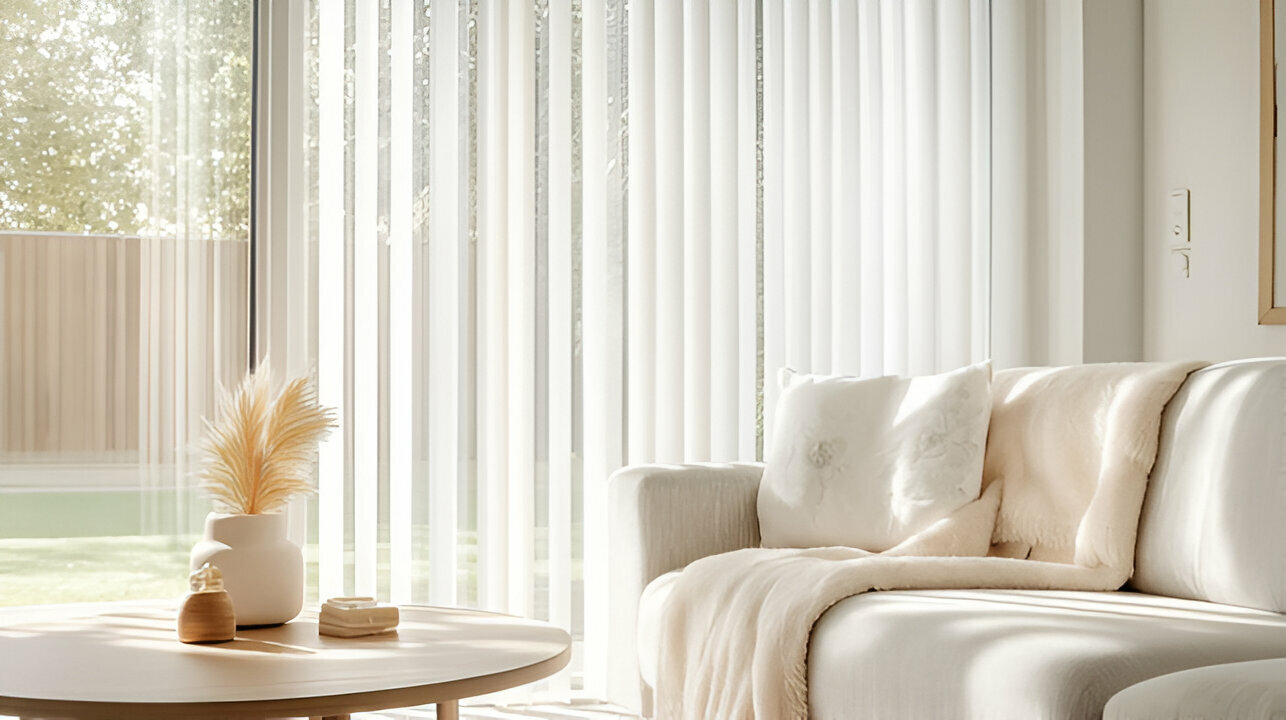
9. ZenDecor – Modern Vertical Blind Solutions for Contemporary Architecture
A beautiful space is created through the harmonious combination of architecture, lighting, and interior design. Choosing the right window treatments plays an important role in completing the overall look and enhancing everyday comfort.
With a focus on modern window decoration solutions, ZenDecor aims to achieve the right balance between aesthetics, functionality, and convenience in every product selection.
When exploring vertical blinds at ZenDecor, customers can receive advice on several important aspects, including:
-
Design Consultation: Selecting vertical blind styles that complement the architecture and interior design.
-
Material Selection: Considering light-filtering properties, light-blocking performance, and practical requirements.
-
Interior Color Coordination: Recommending colors that harmonize with walls, flooring, glass windows, and furniture.
-
Site Surveys and Measurements: Assessing window dimensions and identifying suitable installation solutions.
-
Operating Solutions: Choosing operating systems that meet the specific requirements of each project.
From apartments and townhouses to offices, meeting rooms, hotels, and commercial buildings, vertical blinds are an excellent option for spaces that embrace a modern and minimalist aesthetic.
10. Vertical Blinds in Contemporary Architecture – Where Functionality Meets Aesthetics
Modern architecture is not only about external appearance but also about enhancing everyday experiences and comfort through carefully considered details.
Vertical blinds are a perfect example of this harmonious combination. With their elegant design, flexible slat adjustment, and versatile applications, they provide effective light control while helping define the overall character of an interior space.
Whether installed in living rooms, offices, meeting rooms, or large glass window systems, the right vertical blinds can make a noticeable difference in both aesthetics and functionality.
ZenDecor – Enhancing Living Spaces with Elegant and Modern Window Treatment Solutions.
If you are looking for vertical blind solutions for your home, office, or commercial project, contact ZenDecor for professional advice on suitable materials, colors, and installation options.
Let ZenDecor help you create modern spaces where functionality and aesthetics come together in perfect harmony!
>> Read More: Beautiful ZenDecor Roller Blinds – Which Type Should You Choose for Style and Comfort?
Related articles
View all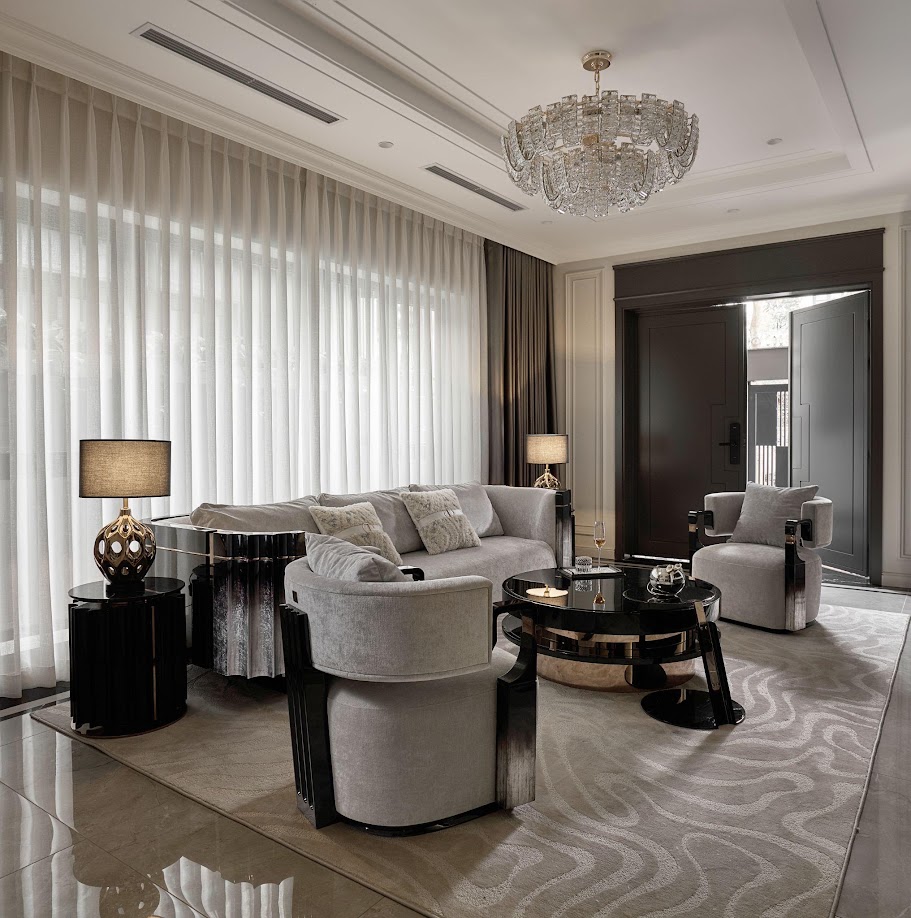
Light and Texture – The Appeal of Double-Layer Curtains in Luxury Villas
In luxury villa interior design, every detail contributes to the overall beauty of the space and reflects the homeowner's personal style. Alongside furniture, lighting, and color schemes, curtains play an essential role in completing the living environment. In particular, double-layer curtains for luxury villas have become a popular choice among homeowners thanks to their harmonious combination of refined aesthetics, flexible light control, and enhanced privacy.
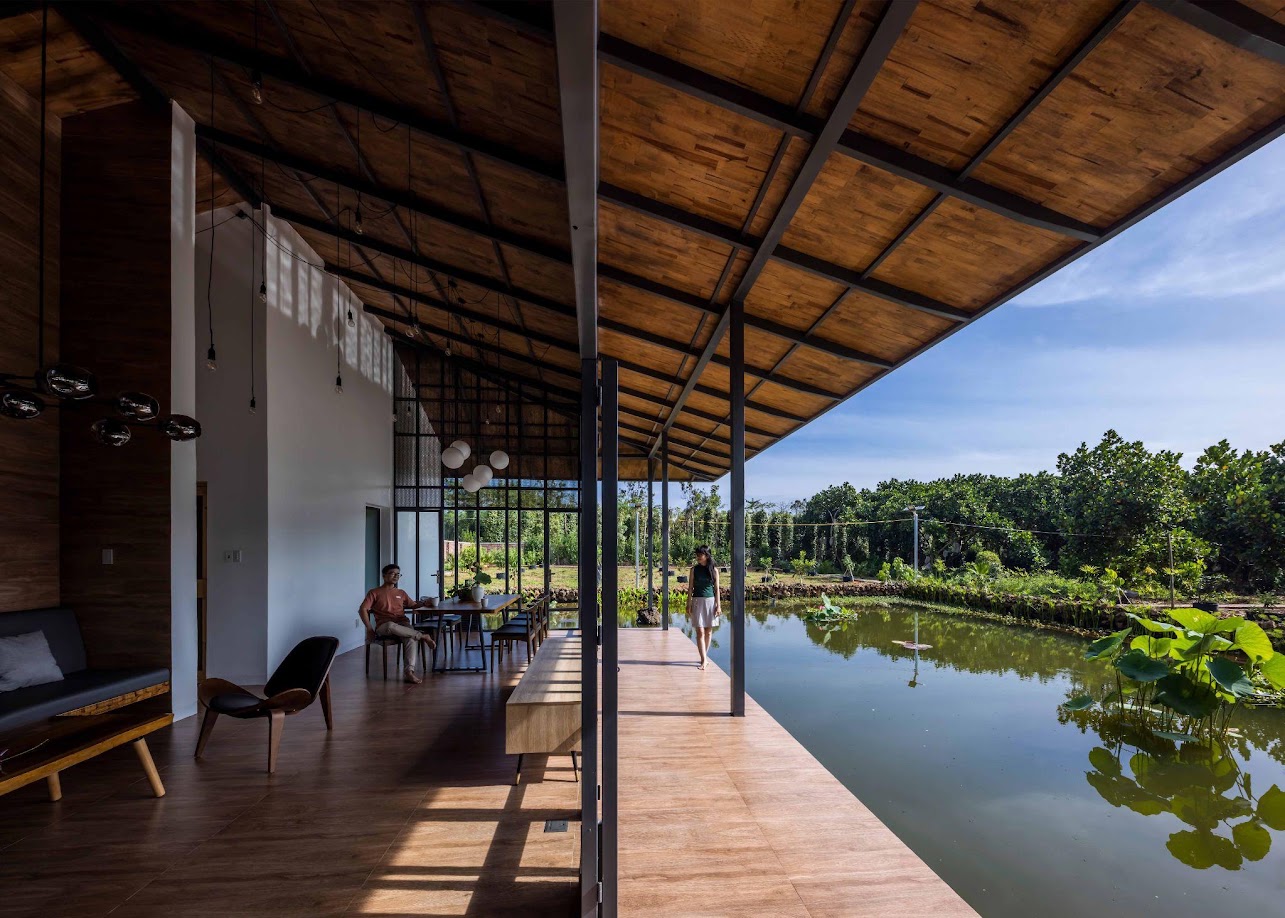
Wooden Blinds for Farmstays – A Natural Touch of Elegance for Premium Retreat Spaces
Farmstays are becoming increasingly popular among travelers seeking a unique combination of relaxation, nature-based experiences, and a slower pace of life. Unlike conventional hotels and modern resorts, farmstays often emphasize natural materials, open-plan layouts, and a harmonious connection between people and the surrounding landscape.
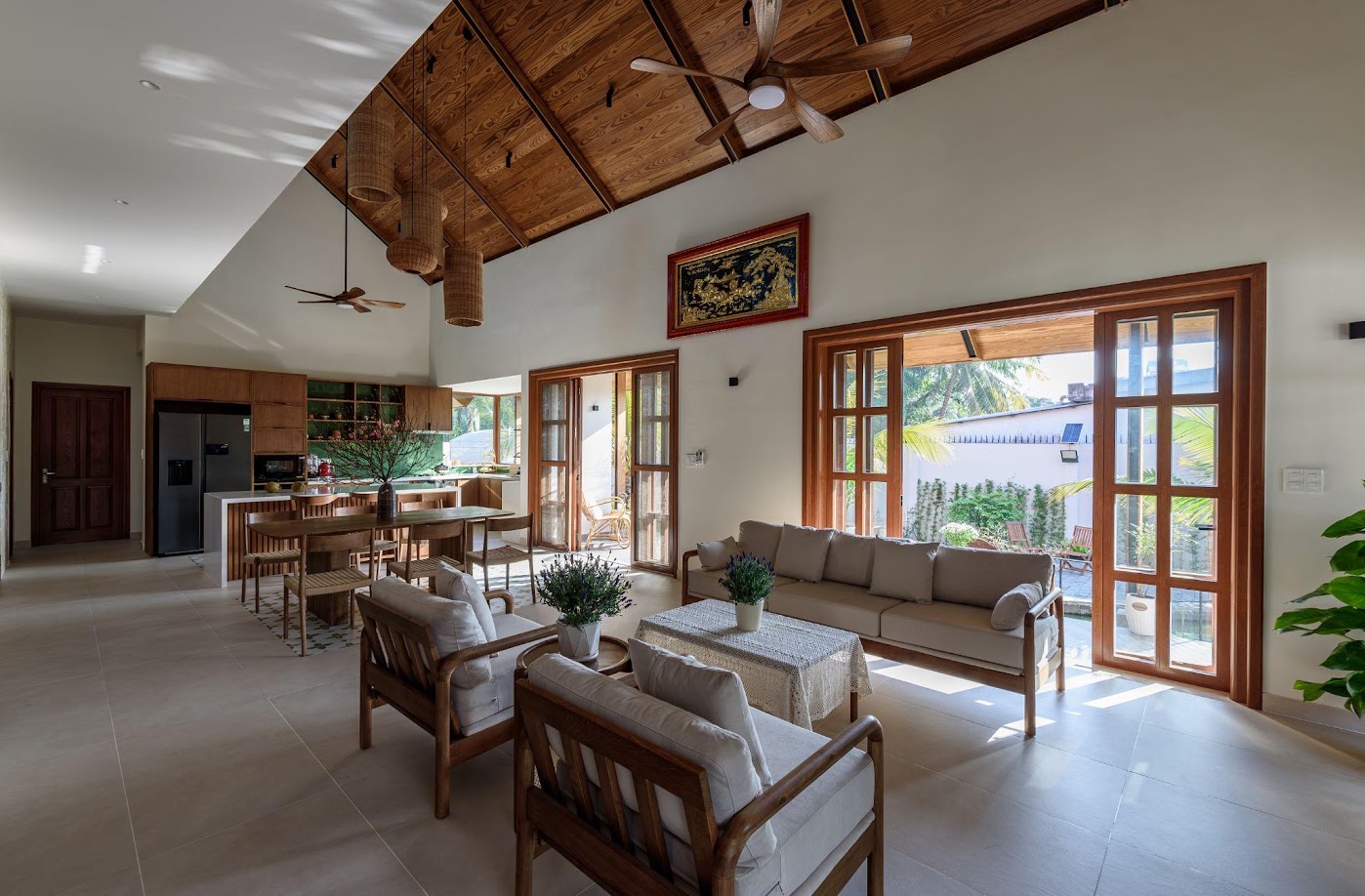
Beautiful Fabric Curtains for Villas – A Luxurious Touch for Elegant Living Spaces
In modern villa architecture, the beauty of a property is defined not only by its architectural lines, building materials, or interior layout but also by the refined finishing details. A beautifully designed set of curtains, carefully selected to complement the overall interior style, can make a remarkable difference to the entire living space.
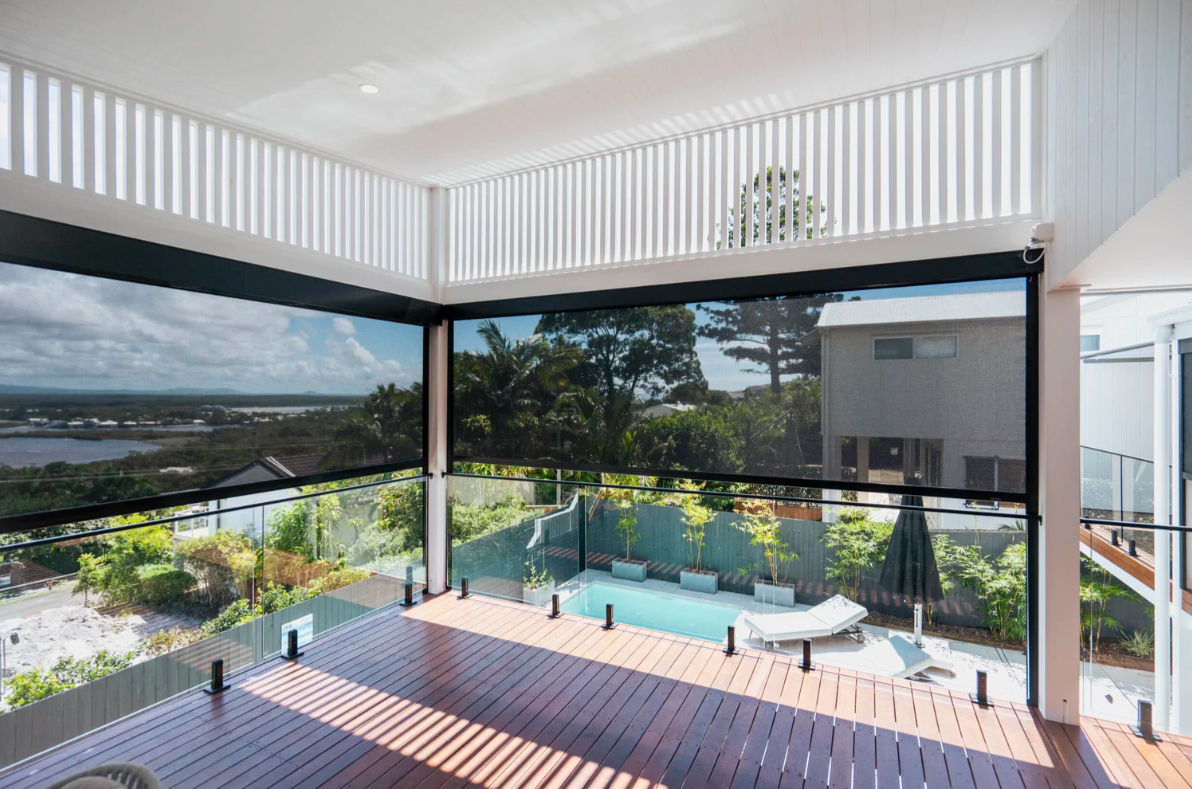
https://zendecor.vn/manh-che-nang-zipscreen-xu-huong-moi-cho-khong-gian-song-ngoai-troi
In modern architecture, open spaces such as balconies, terraces, patios, poolside areas, and large glass-fronted spaces are becoming increasingly important. These areas not only provide open views and a stronger connection with nature but also contribute to the overall aesthetic value of a building.