
Wooden Blinds for Farmstays – A Natural Touch of Elegance for Premium Retreat Spaces
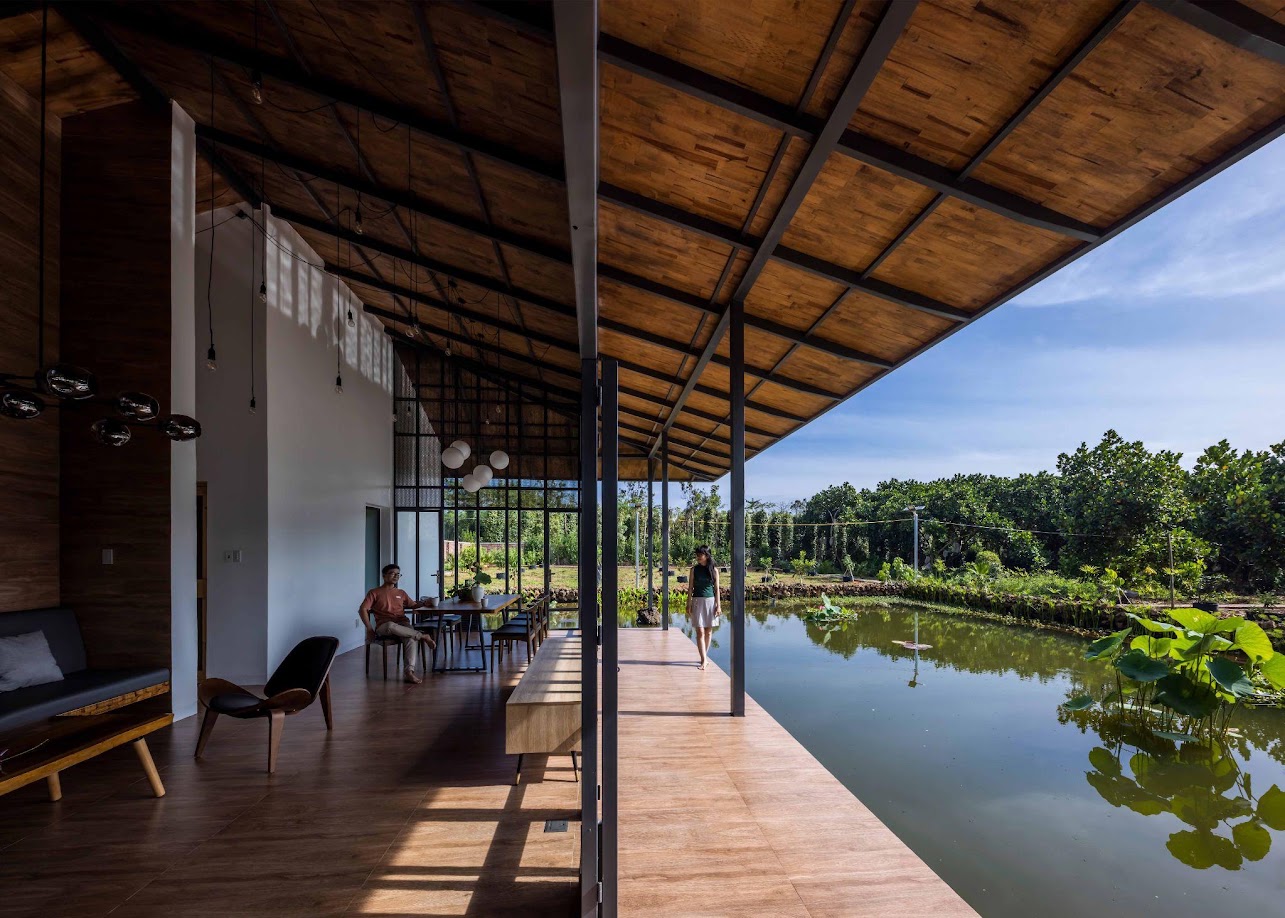
Farmstays are becoming increasingly popular among travelers seeking a unique combination of relaxation, nature-based experiences, and a slower pace of life. Unlike conventional hotels and modern resorts, farmstays often emphasize natural materials, open-plan layouts, and a harmonious connection between people and the surrounding landscape.
In these projects, every interior detail contributes to creating a distinctive guest experience. From wooden ceilings and flooring to expansive glass windows, lighting arrangements, and decorative elements, everything needs to be carefully coordinated to preserve a rustic yet comfortable atmosphere.
One particularly important detail is the window treatment. Beyond providing sun protection and privacy, curtains and blinds also have a direct impact on the overall aesthetic of the space.
In particular, wooden blinds for farmstays are an excellent option for properties that embrace a natural, minimalist, and nature-inspired design. Their evenly arranged horizontal slats, combined with warm wood tones, create an elegant appearance while offering flexible light control.
So, why are wooden blinds a suitable choice for farmstays? Which types should you choose for guest bedrooms, shared living areas, or workspaces? Let's explore design ideas and window treatment solutions for this unique type of accommodation with ZenDecor.
1. What Is a Farmstay? Why Is Interior Design Becoming Increasingly Important?
A farmstay is an accommodation model that combines relaxation with experiences of farm life, nature, or eco-friendly surroundings. Guests are not simply looking for a place to stay; they also want to enjoy fresh air, green landscapes, and a more peaceful pace of life.
Unlike accommodation projects that focus primarily on urban-style convenience, farmstays generally emphasize a natural, welcoming atmosphere and a distinctive identity.
A farmstay may be located among orchards, beside a lake, on a hillside, or in a peaceful rural setting. Regardless of its location, interior design plays an important role in shaping the overall guest experience.
1.1. Open Spaces That Connect with Nature
One of the defining features of farmstay architecture is the use of large glass windows, spacious verandas, and living areas that open toward the surrounding landscape.
This design allows natural light to enter the rooms while making the spaces feel more open and airy.
Rather than relying on numerous partitions, the architecture often prioritizes seamless connections between living rooms, dining areas, gardens, and outdoor relaxation spaces.
However, large glass windows also expose interiors to direct sunlight. Therefore, choosing suitable window shading solutions is an important consideration during the interior finishing stage.
1.2. A Preference for Natural Materials
Wood, stone, bamboo, rattan, and other materials with natural tones are commonly used in farmstay design.
Among these materials, wood creates a warm atmosphere and adds depth to interior spaces. From ceilings and flooring to doors and furniture, it gives the property a rustic yet refined appearance.
To maintain a cohesive design, decorative details such as window treatments should also be carefully selected. Wooden blinds, with their horizontal slat structure and natural colors, can become a beautiful complement to this style.
1.3. Prioritizing the Guest Experience
A beautiful farmstay should not only feature impressive architecture but also provide guests with a comfortable and relaxing experience.
Soft lighting, privacy, good ventilation, and the thoughtful combination of materials all contribute to this experience.
The right window treatments allow guests to adjust natural light according to their needs, creating a relaxing atmosphere during the day and greater privacy in the evening.
This is why window treatment solutions are receiving increasing attention in the design and completion of modern accommodation projects.
2. Why Are Wooden Blinds a Suitable Choice for Farmstays?
Wooden blinds are not known for elaborate or complicated designs. Their appeal lies in their simple structure, clean lines, and the natural beauty of the material.
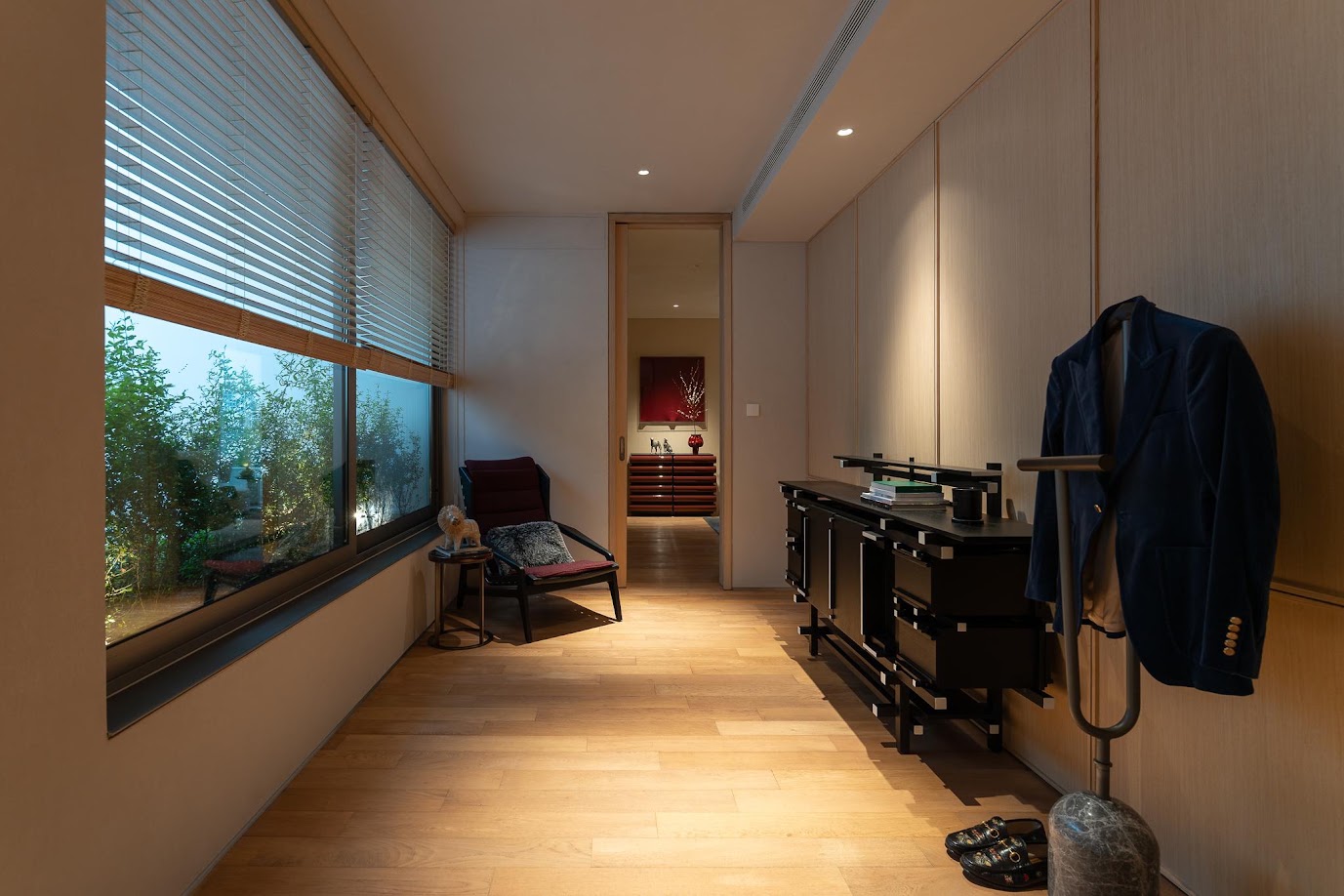
The horizontal slats are arranged in a neat sequence and can be tilted to control the amount of light entering a room. When paired with wooden furniture and interior finishes, they create a harmonious connection throughout the architectural space.
2.1. Complementing Architecture That Features Natural Wood
For farmstays featuring wooden ceilings, flooring, doors, or furniture, wooden blinds are an excellent choice for maintaining a cohesive interior design.
Rather than creating a strong contrast, the blinds can become a natural extension of the overall design language.
Warm shades such as light brown, golden brown, natural wood tones, and dark brown help create a cozy and welcoming atmosphere.
In particular, for rooms with large windows, wooden blinds add a distinctive horizontal element, making the window area look more balanced and visually appealing.
2.2. Flexible Light Control
One of the key advantages of wooden blinds is the ability to adjust the angle of the horizontal slats.
Instead of simply being fully open or closed, the slats can be tilted to control how much natural light enters the room.
For example:
-
When natural light is desired, the slats can be tilted to allow soft daylight into the room.
-
When direct sunlight becomes too strong, the slat angle can be adjusted to reduce the amount of light reaching the living area.
-
When greater privacy is needed, the slats can be closed to provide more coverage.
-
When an unobstructed view is preferred, the blinds can be raised completely to reveal the entire window.
This flexibility is particularly useful for farmstays with windows overlooking gardens, lakes, or expansive natural landscapes.
2.3. Creating a Warm and Relaxing Atmosphere
Retreat spaces are designed to feel comfortable, peaceful, and inviting rather than cold or impersonal.
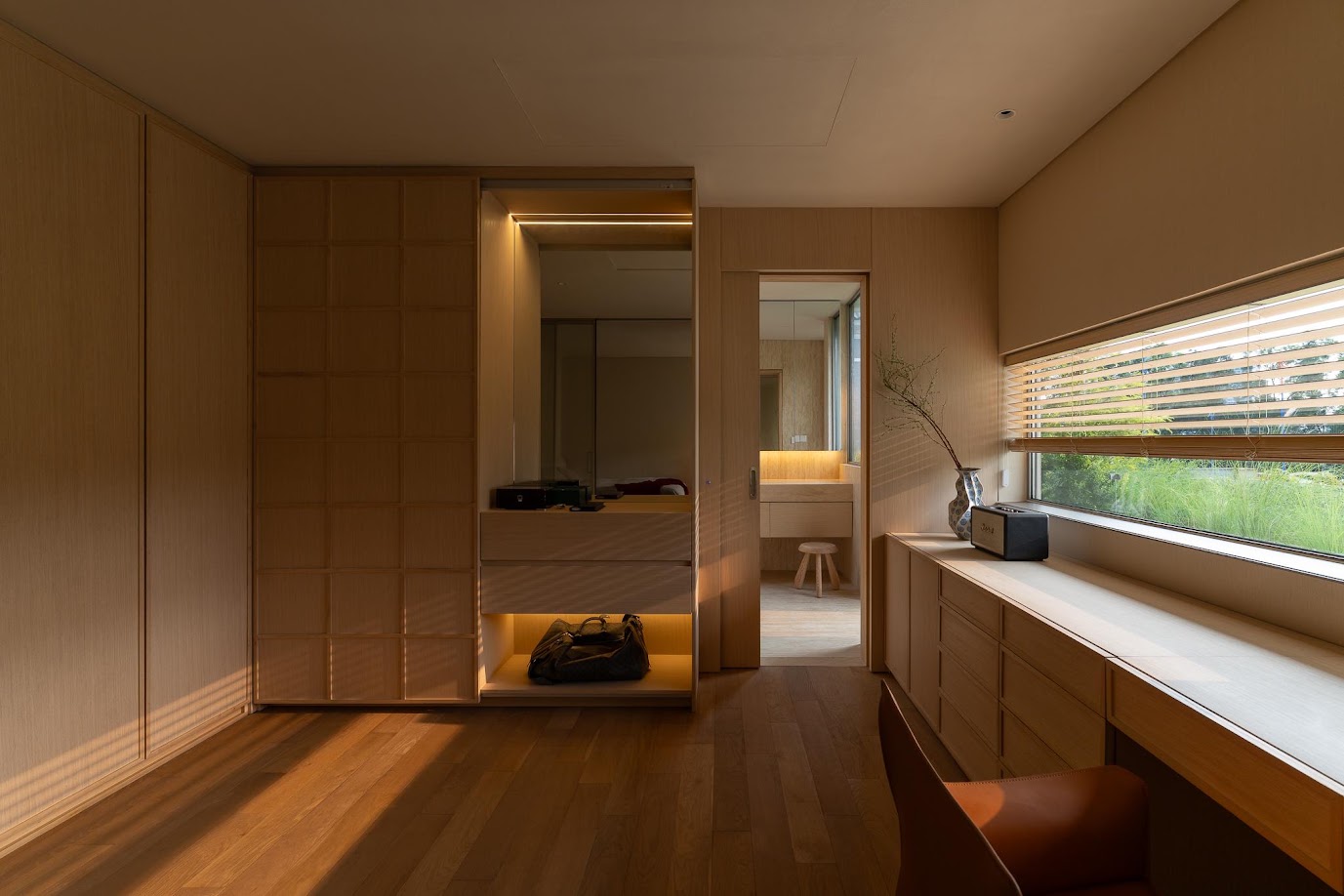
Wooden blinds in natural tones bring warmth to the interior. When sunlight passes through the gaps between the slats, it can create beautiful patterns of light and shadow across floors and walls, adding an interesting decorative effect.
This makes wooden blinds an attractive design feature for properties embracing Tropical, Rustic, Japandi, or Modern Natural styles.
2.4. A Neat Design That Saves Space
Compared with layered fabric curtains with flowing folds, wooden blinds feature a more compact and streamlined structure.
When raised, the slats gather neatly at the top of the window. When lowered, they form an even surface of horizontal lines.
This makes wooden blinds particularly suitable for areas where a minimalist appearance is preferred, such as home offices, reading corners, and smaller windows.
2.5. Easy to Coordinate with Different Architectural Styles
Wooden blinds are not limited to rustic-style farmstays.
Depending on their color, slat size, and interior arrangement, they can complement a variety of architectural styles:
-
Rustic: Emphasizes natural wood tones and handcrafted furniture.
-
Tropical: Combines greenery, bamboo, rattan, and natural light.
-
Japandi: Features light wood tones and minimalist lines.
-
Modern Natural: Blends wood, glass, stone, and neutral colors.
-
Contemporary: Uses coordinated colors and finishes to complement modern interiors.
3. Types of Wooden Blinds Suitable for Farmstay Spaces
When choosing wooden blinds, property owners should consider the material, color, slat size, and installation location.
Each type has its own characteristics and is suitable for different needs.
3.1. Natural Wooden Blinds
Natural wooden blinds stand out for their distinctive wood colors and grain patterns.
Each slat may feature slightly different shades and textures, creating a warm, authentic look with natural depth. They are an option worth considering for farmstays that incorporate extensive wood elements into their architecture.
Key advantages:
-
Natural colors and distinctive wood grain.
-
Create a warm atmosphere.
-
Easy to coordinate with wooden furniture.
-
Available in a range of shades, from light to dark.
However, in high-humidity environments, it is important to choose products with suitable material properties and follow the manufacturer's care and maintenance instructions.
3.2. Light-Colored Wooden Blinds
Light wood, pale yellow, and natural wood tones are well suited to farmstays with a minimalist and relaxed design.
These colors give windows a light, refined appearance and pair easily with white walls, beige interiors, and light wood flooring.
For rooms that are not particularly spacious, light-colored wooden blinds are worth considering because they help avoid a visually heavy atmosphere.
3.3. Dark Brown Wooden Blinds
If a farmstay features a significant amount of dark wood furniture, dark brown wooden blinds can help create a cohesive interior.
This color works well in premium retreat spaces with warm yellow lighting and elegant furniture designs.
However, consider the window size and amount of natural light available to prevent the room from becoming too dark.
3.4. Wooden Blinds with Horizontal Slats
Wooden blinds are available with different slat widths, depending on the product range.
Wider slats create a modern look with more defined lines, making them suitable for large windows. Narrower slats offer a more delicate appearance and work well with medium-sized and smaller windows.
The choice of slat width should be based on window dimensions, architectural proportions, and the property owner's preferences.
4. How to Choose Wooden Blinds for Different Areas of a Farmstay
A farmstay typically includes several functional areas, each with its own lighting conditions, humidity levels, and practical requirements. Therefore, it is not advisable to use the same window treatment throughout the entire property without considering the actual conditions of each space.
4.1. Wooden Blinds for Farmstay Bedrooms
Bedrooms should be prioritized when it comes to privacy and relaxation.
In bedrooms with windows overlooking gardens or natural landscapes, wooden blinds allow users to adjust the slat angle and control incoming light according to their needs.
Light brown, golden wood, and natural wood tones often complement rooms with wooden flooring and minimalist furniture.
However, it is important to note that wooden blinds have gaps between their slats. Therefore, if a bedroom requires strong light reduction or near-total darkness, property owners should consider combining them with a suitable blackout curtain.
4.2. Wooden Blinds for Living Rooms and Shared Spaces
The living room is one of the areas that most clearly reflects a farmstay's design style.
In spaces with large glass windows, wooden blinds help control natural light while adding a distinctive feature to the window area.
If the living room features wooden ceilings, flooring, and furniture, choose a blind color that harmonizes with the overall interior palette.
For large glass windows, the load-bearing capacity and construction of the blind system should be checked before installation.
4.3. Wooden Blinds for Home Offices and Reading Corners
A workspace or reading corner beside a window becomes more comfortable when equipped with an effective light-control solution.
Wooden blinds allow users to adjust the angle of the slats to reduce direct sunlight falling on a desk or computer screen.
Light wood tones and neutral brown shades are suitable for minimalist spaces featuring wooden desks and furniture with simple designs.
4.4. Blinds for Kitchens and Dining Areas
Kitchens and dining areas in farmstays are often designed as open spaces that connect with gardens or outdoor verandas.
If these areas have windows that need sun protection, wooden blinds may be worth considering. However, their distance from cooking appliances, exposure to heat and grease, and humidity levels should all be taken into account.
Blinds should not be installed too close to heat sources or in areas frequently exposed to direct steam unless the product is specifically designed for such conditions.
4.5. Blinds for Relaxation Areas Overlooking Lakes and Gardens
Farmstays with lakes, gardens, or natural landscapes often feature large glass windows to maximize the views.
Wooden blinds can help control incoming light while maintaining a connection with the outdoor surroundings.
When shading is not needed, users can raise the blinds to enjoy the full view. When sunlight becomes too strong, they can adjust the slats to reduce direct light.
This solution is suitable for areas where a balance between views, natural light, and privacy is essential.
5. Tips for Coordinating Wooden Blind Colors with Farmstay Interiors
Color is an important factor in creating a harmonious interior.
Even a beautifully crafted blind can make a room feel disconnected if its color does not complement the flooring, walls, or furniture.
Here are some color combinations worth considering.
5.1. Light Golden Wooden Blinds with Natural Wood Furniture
This combination works particularly well in farmstays designed in the Tropical or Modern Natural style.
Golden wood tones create a warm atmosphere without feeling too heavy. When paired with white walls, greenery, and light wood flooring, they make the space feel bright, relaxed, and welcoming.
5.2. Brown Wooden Blinds with Dark-Toned Interiors
Farmstays featuring dark brown wood, warm yellow lighting, and bold furniture designs can consider brown wooden blinds.
Coordinating similar shades helps add depth to the interior and creates a cozy atmosphere.
To prevent the room from feeling too dark, combine these tones with natural light, light-colored walls, or neutral decorative accents.
5.3. Natural Wooden Blinds with White Walls
The combination of natural wood and white walls creates a simple yet modern aesthetic.
It is a suitable choice for farmstays that want to preserve a rustic feel while maintaining an elegant appearance.
5.4. Combining Wooden Blinds with Bamboo, Rattan, and Greenery
For a retreat inspired by nature, wooden blinds can be paired with bamboo and rattan furniture, natural-fiber rugs, green plants, and handcrafted decorative pieces.
This combination creates a harmonious overall look while giving the farmstay a distinctive identity rather than relying on unrelated decorative items.
6. Wooden Blinds and Other Window Treatments: Which Is Best for a Farmstay?
In addition to wooden blinds, farmstays can also use fabric curtains, roller blinds, or bamboo blinds, depending on their design style and practical requirements.
Each type of window treatment offers its own advantages.
| Type of Window Treatment | Key Features | Suitable Spaces |
|---|---|---|
| Wooden blinds | Adjustable light control through tilting slats; compact design | Bedrooms, home offices, and windows |
| Fabric curtains | Soft appearance, a wide range of materials and styles, and the option of combining two layers | Living rooms, bedrooms, and resort spaces |
| Roller blinds | Minimalist design with a simple raising and lowering mechanism | Windows, home offices, and modern spaces |
| Bamboo blinds | Rustic appearance with a natural, organic feel | Rustic and Tropical-style spaces |
When Should You Choose Wooden Blinds?
Wooden blinds are worth considering if the property features many wood details, the windows require flexible light control, and the owner prefers a natural interior style.
When Should You Choose Fabric Curtains?
Fabric curtains are suitable when property owners want to create a softer, more luxurious atmosphere and have a wider choice of light-blocking options.
For bedrooms that need to reduce strong sunlight, blackout fabric curtains or double-layer curtains may provide better performance, depending on the materials used.
When Should You Choose Roller Blinds?
Roller blinds are suitable for areas where a neat appearance, minimalist design, and easy operation are priorities. They are also worth considering for home offices and windows with suitable dimensions.
Can Different Types of Blinds and Curtains Be Combined in the Same Farmstay?
Absolutely.
Rather than using just one type of window treatment throughout the property, owners should select solutions according to the function of each area.
For example, fabric curtains can be used in bedrooms to create a softer atmosphere and provide light control. Wooden blinds can be installed in workspaces to allow flexible adjustment of natural light. Shared living areas can feature window treatments selected to complement the architectural style and window dimensions.
The key is to maintain consistency in color and overall design style.
7. Important Considerations When Installing Wooden Blinds in Farmstays
Farmstays can be located in areas with different climatic conditions. Properties in mountainous regions, coastal areas, or locations surrounded by dense greenery may be significantly affected by humidity, temperature changes, and dust.
Therefore, the selection and installation of window treatments should be carefully planned to suit the specific environment.
7.1. Measure Windows Before Ordering Blinds
Window dimensions directly affect the choice of blinds and the installation method.
Accurately measure the width and height of the window, the position of the window frame, and the available space above it.
For large windows, check the load-bearing capacity of the installation area and select a suitable blind system and accessories.
7.2. Choose Materials Suitable for Humidity Levels
Wood is a material that can be affected by humid environments if it is not properly treated and maintained.
For farmstays near lakes, in high-humidity areas, or with windows that are frequently opened to the outdoors, consult the supplier about the material properties, surface finish, and recommended operating conditions.
Do not assume that all types of wooden blinds are suitable for damp environments.
7.3. Consider the Direction of Sunlight
West-facing windows are often exposed to strong afternoon sunlight, while east-facing windows may receive direct sunlight in the morning.
Consider the window orientation and the times when direct sunlight enters the room before selecting the color, material, and appropriate shading solution.
7.4. Check the Operating System
Wooden blinds may use manual controls or other operating systems, depending on the product range.
Before installation, check the lifting mechanism, slat-tilting controls, and accompanying accessories.
For high or large windows, consider an operating solution that is convenient and safe to use.
7.5. Ensure Safe Operation
For accommodation facilities that welcome children, pay attention to the design of pull cords and operating components.
Prioritize products with appropriate safety mechanisms, keep control cords out of children's reach, and follow the manufacturer's operating instructions.
8. How to Clean and Maintain Wooden Blinds
Regular cleaning is essential to preserve the natural appearance of wooden blinds and ensure that they continue to operate properly.
Compared with fabric curtains, the horizontal slat structure of wooden blinds can collect dust on both the surfaces and in the gaps between slats.
Property owners can follow these recommended steps:
8.1. Remove Dust from the Slat Surfaces
Use a soft cloth, a dedicated dusting brush, or a suitable cleaning tool to clean each slat.
Clean gently and avoid applying excessive force, which could cause the slats to bend or become misaligned.
8.2. Clean the Gaps and Accessories
Dust can accumulate around the pull cords, ladder tapes, and connection points between the slats.
Use a small brush or an appropriate cleaning tool to reach areas that are difficult to access.
8.3. Avoid Using Excessive Water
For natural wooden blinds, avoid using overly wet cloths or harsh cleaning chemicals without checking the manufacturer's recommendations.
Follow the manufacturer's cleaning instructions to prevent damage to the surface finish.
8.4. Inspect the Operating System Regularly
During use, check whether any slats have become misaligned, the blinds are difficult to raise or lower, or the pull cords are showing signs of problems.
If you notice anything unusual, contact a qualified technician for inspection rather than attempting to disassemble the components yourself.
9. Modern Window Treatment Trends for Farmstays
Farmstay design is becoming increasingly diverse, ranging from rustic wooden houses surrounded by nature to modern retreat properties featuring expansive glass windows.
As a result, window treatments should be selected flexibly to complement each architectural style.
9.1. Tropical Style – A Closer Connection with Nature
Tropical design emphasizes greenery, natural light, and materials derived from nature.
Light-colored wooden blinds or natural wood tones are suitable choices for complementing wooden ceilings, flooring, and bamboo or rattan furniture.
9.2. Rustic Style – Natural and Warm
Rustic design celebrates natural beauty, simplicity, and a welcoming atmosphere.
Brown wooden blinds, textured fabric curtains, and other materials with natural finishes can create a harmonious look that complements this architectural style.
9.3. Japandi Style – Minimalist and Refined
Japandi combines Japanese minimalism with the warmth of Scandinavian design.
Light wood tones, off-white, beige, and soft brown are commonly preferred colors.
With their clean and compact design, wooden blinds help maintain an elegant atmosphere without requiring excessive decorative details.
9.4. Modern Natural Style – Contemporary Yet Welcoming
Modern Natural is a suitable choice for farmstays with contemporary architecture that still use natural materials as key design features.
Wood, glass, stone, and neutral colors are combined to create a harmonious overall appearance.
Wooden blinds can serve as a connecting element between these materials, helping the space feel both modern and relaxing.
10. Why Should You Choose the Right Window Treatments During the Farmstay Design Stage?
One common mistake when completing accommodation projects is waiting until all the interior work is finished before choosing window treatments.
In fact, planning window treatment solutions from the design stage gives property owners greater control over window dimensions, installation positions, and coordination with the overall interior.
10.1. Maintaining Overall Aesthetic Harmony
When window treatments are selected alongside flooring, wall colors, and furniture, the entire property can achieve a more cohesive appearance.
This is particularly important for farmstays that incorporate natural materials and have a distinctive design style.
10.2. Planning for Practical Requirements
Different areas have different light-control requirements. Choosing window treatments early helps property owners identify where stronger light reduction is needed, where outdoor views should be preserved, and where additional privacy is important.
10.3. Reducing Potential Installation Issues
Determining window dimensions and installation positions in advance helps prevent problems such as insufficient clearance, interference with window systems, or incompatibility with ceiling structures.
10.4. Enhancing the Guest Experience
A room with comfortable lighting, easy-to-use window treatments, and sufficient privacy can provide a better experience for guests.
These details also contribute to a more professional image for the accommodation property.
11. ZenDecor – Refined Window Treatment Solutions for Retreat Spaces
In retreat properties, window treatments are more than decorative elements. They also contribute to the overall living experience.
A beautiful window treatment should complement the architecture, interior colors, window dimensions, and practical requirements of the space.
With a focus on providing window treatment solutions for a variety of interiors, ZenDecor aims to bring together aesthetic appeal and practical functionality in every selection.
For farmstay projects, window treatment options can be considered based on the following factors:
-
Architectural style: Choose window treatments that complement Tropical, Rustic, Japandi, or Modern Natural interiors.
-
Materials: Consider product characteristics in relation to environmental conditions and installation locations.
-
Colors: Coordinate harmoniously with wood, glass, stone, and other interior materials.
-
Functionality: Identify requirements for light control, privacy, and light reduction.
-
Dimensions: Assess the window system and select a suitable installation solution.
-
Operation: Consider manual controls or motorized solutions where supported by the product.
Depending on the function of each area, property owners can choose wooden blinds, fabric curtains, roller blinds, or combine different product types to create a cohesive interior.
12. Wooden Blinds for Farmstays – Enhancing the Beauty of Nature-Inspired Retreat Spaces
A beautiful farmstay is remembered not only for its green surroundings, impressive architecture, or enjoyable experiences, but also for the comfort guests feel in every part of the property.
Window treatments are among the details that help create this experience.
With their neat horizontal slats, natural colors, and flexible light-adjustment capabilities, wooden blinds are an option worth considering for properties that embrace a rustic, modern, and nature-inspired aesthetic.
From bedrooms and living rooms to workspaces beside windows, each set of blinds can become a distinctive design feature when the right material, color, and dimensions are selected.
If you are completing a farmstay project or looking for window treatment solutions for a retreat property, consider the architectural style, actual operating conditions, and guest experience together.
ZenDecor – Refined window treatment solutions, helping create harmonious living and retreat spaces inspired by nature.
>> Read more: Beautiful Fabric Curtains for Villas – A Luxurious Touch for Elegant Living Spaces
Related articles
View all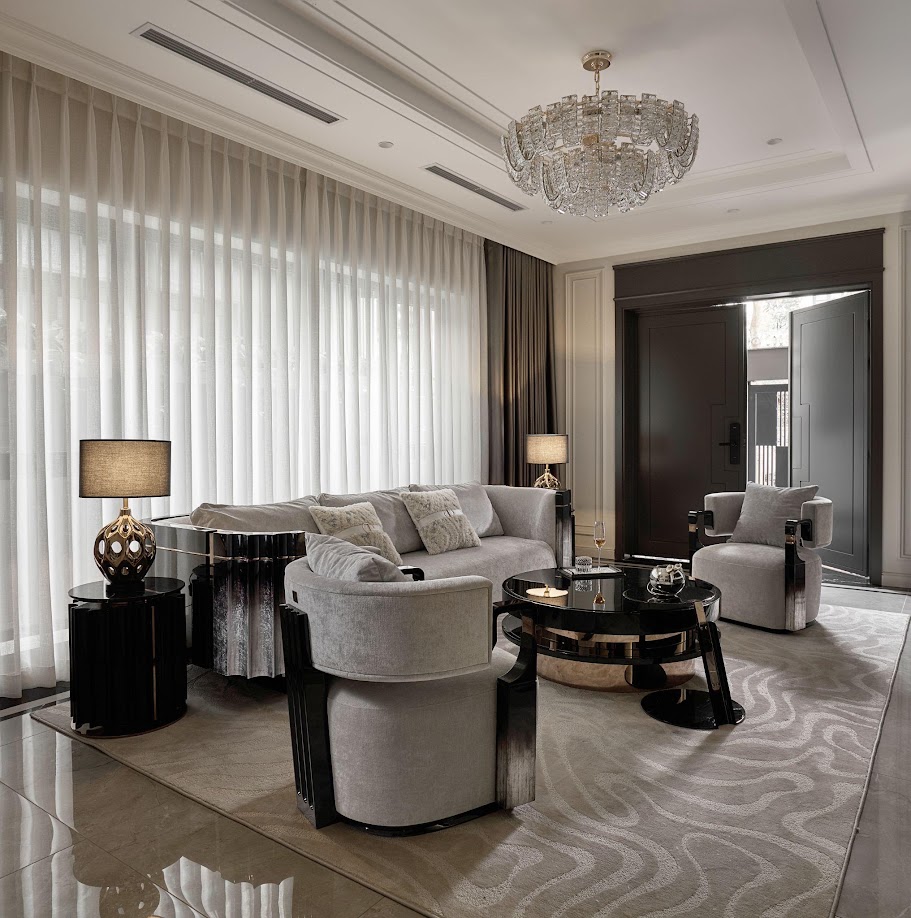
Light and Texture – The Appeal of Double-Layer Curtains in Luxury Villas
In luxury villa interior design, every detail contributes to the overall beauty of the space and reflects the homeowner's personal style. Alongside furniture, lighting, and color schemes, curtains play an essential role in completing the living environment. In particular, double-layer curtains for luxury villas have become a popular choice among homeowners thanks to their harmonious combination of refined aesthetics, flexible light control, and enhanced privacy.
Beautiful Fabric Curtains for Villas – A Luxurious Touch for Elegant Living Spaces
In modern villa architecture, the beauty of a property is defined not only by its architectural lines, building materials, or interior layout but also by the refined finishing details. A beautifully designed set of curtains, carefully selected to complement the overall interior style, can make a remarkable difference to the entire living space.
https://zendecor.vn/manh-che-nang-zipscreen-xu-huong-moi-cho-khong-gian-song-ngoai-troi
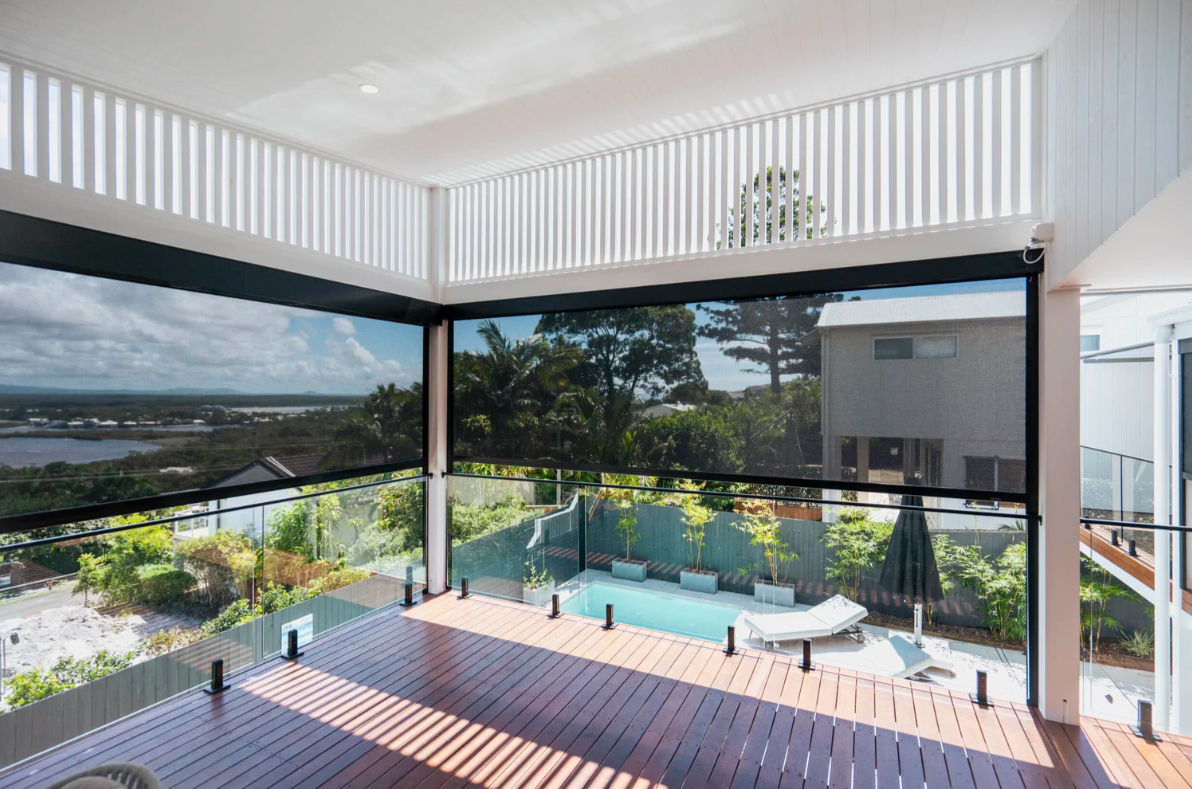
In modern architecture, open spaces such as balconies, terraces, patios, poolside areas, and large glass-fronted spaces are becoming increasingly important. These areas not only provide open views and a stronger connection with nature but also contribute to the overall aesthetic value of a building.
Vertical Blinds in Contemporary Architecture – Where Functionality Meets Aesthetics
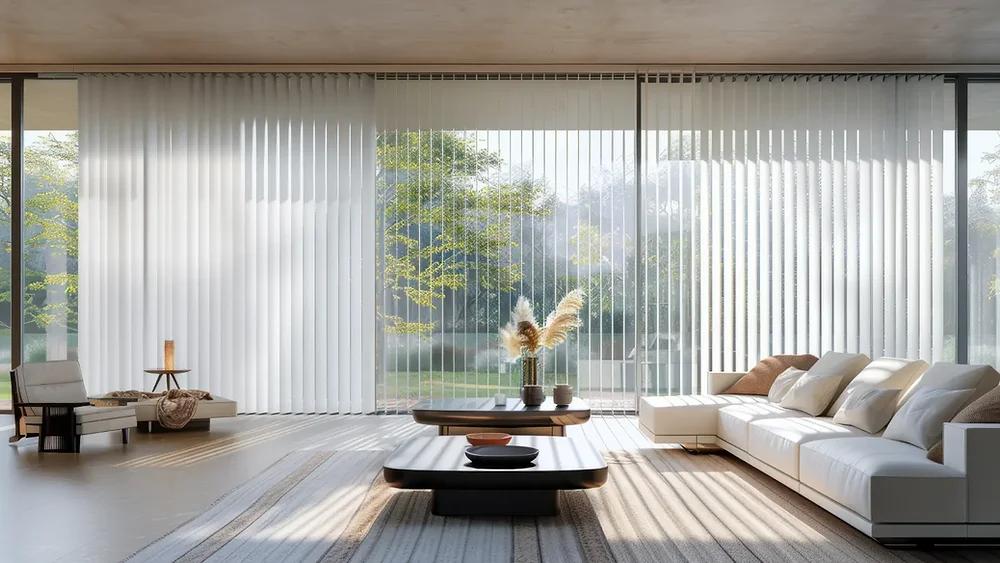
In contemporary architecture, the beauty of a space is not defined solely by expensive furniture or elaborate layouts. It is also shaped by the harmonious balance between functionality and aesthetics. Every design detail contributes to the overall living experience, from natural lighting, colors, and materials to carefully selected window treatment solutions.