
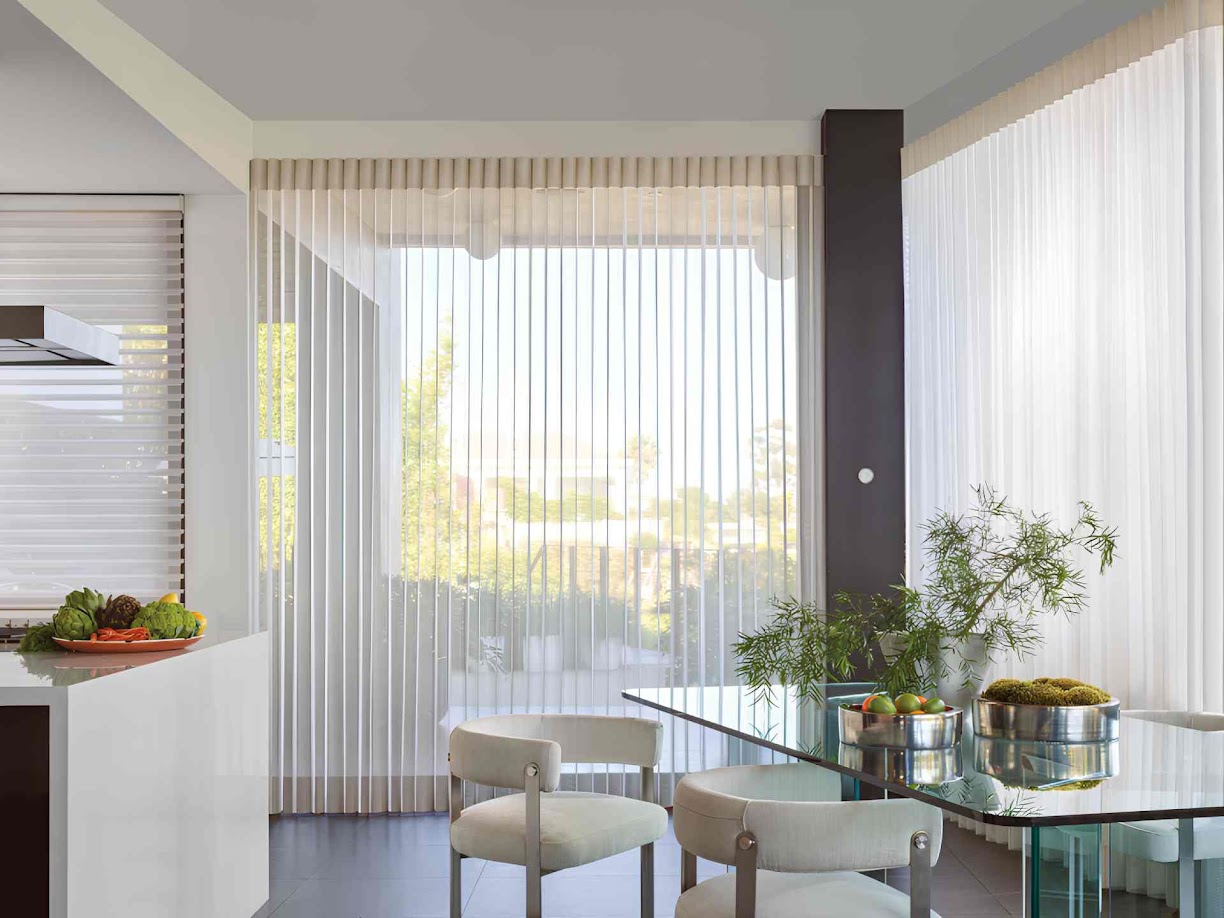
Transform Your Windows into a Stunning Focal Point with ZenDecor’s Vertical and Horizontal Blinds
A beautiful window can transform the entire feel of a room! With the unique combination of vertical and horizontal blinds, ZenDecor offers an elegant window dressing solution that enhances the sophistication of your living space, creates a harmonious balance of natural light, and adds a distinctive touch to every corner of your home.
In modern interior design, window blinds are more than just functional coverings that block sunlight or provide privacy. They also play an important role in enhancing the overall beauty of a living space. The right window coverings can create a harmonious atmosphere, add a touch of elegance, and reflect the homeowner's personal style. In particular, combining vertical blinds with horizontal blinds is becoming an appealing window treatment solution thanks to its design flexibility, light control capabilities, and refined appearance.
With a commitment to providing window treatment solutions that complement a wide range of architectural styles, ZenDecor introduces the combination of vertical and horizontal blinds—a stylish choice for those who appreciate modern, uncluttered interiors with distinctive design accents.
1. Vertical and Horizontal Blinds – A Modern Window Treatment Trend
In today's residential architecture, windows and large glass doors are often designed to maximize natural light, expand outdoor views, and create a more open atmosphere. However, large glass surfaces also require homeowners to consider light control, direct sunlight, and privacy.
Rather than relying on a single type of window covering, combining vertical blinds with horizontal blinds can offer a flexible decorative solution while creating a distinctive visual effect around the window.
Vertical blinds typically create an elegant, elongated appearance with vertically arranged slats. They are well suited to large glass windows, balcony doors, living rooms, and contemporary workspaces.
Horizontal blinds, on the other hand, feature evenly arranged horizontal slats that create a clean, structured appearance. Their adjustable slats allow users to control the angle of incoming light according to their needs.
When carefully selected and arranged, these two types of blinds can complement each other visually, making windows stand out without the need for excessive decorative details.
2. Why Choose a Combination of Vertical and Horizontal Blinds?
Create a Distinctive Focal Point
Beautiful window treatments do not necessarily require elaborate designs. Sometimes, the harmonious combination of lines, colors, and materials is what creates the greatest visual appeal.
Vertical blinds introduce elegant vertical lines, while horizontal blinds create balance through their evenly spaced horizontal lines. This contrast can add depth to a window area and create a distinctive feature within the overall interior design.
For minimalist apartments, modern townhouses, and villas featuring extensive glass surfaces, this combination can help transform windows into attractive focal points.
Flexible Light Control
Natural light directly affects both the comfort and appearance of a room. Excessive sunlight can cause glare, while insufficient natural light may make an interior feel dark or enclosed.
Depending on the construction of each blind system, vertical and horizontal blinds can provide different ways to regulate incoming light. Users can rotate the slats, adjust their angles, or draw the blinds to achieve the desired lighting conditions.
This flexibility makes the combination worth considering for living rooms, home offices, and areas with windows exposed to direct sunlight.
It is important to note that light-blocking and heat-reduction performance depends on the materials, colors, coverage, window orientation, and installation method. Homeowners should therefore select products based on the specific conditions of each room.
Maintain the Privacy You Need
For homes located near busy roads, densely populated neighborhoods, or apartment buildings facing other properties, window blinds offer greater control over privacy.
Combining suitable blind systems or layers can help manage visibility from outside at different times of the day.
For the best results, homeowners should consider the distance between neighboring buildings, the direction of incoming light, and the coverage provided by each blind type. Some blinds filter sunlight without completely blocking outside views, particularly when indoor lights are switched on at night.
Create a Cohesive Interior Design
Window treatments can connect the colors of walls, flooring, furniture, and decorative accessories, helping create a unified interior design.
By choosing vertical and horizontal blinds within a coordinated color palette, homeowners can achieve a more polished appearance and add depth to the room.
Neutral shades such as ivory, beige, light gray, and soft brown are particularly versatile and can complement a wide range of interior design styles.
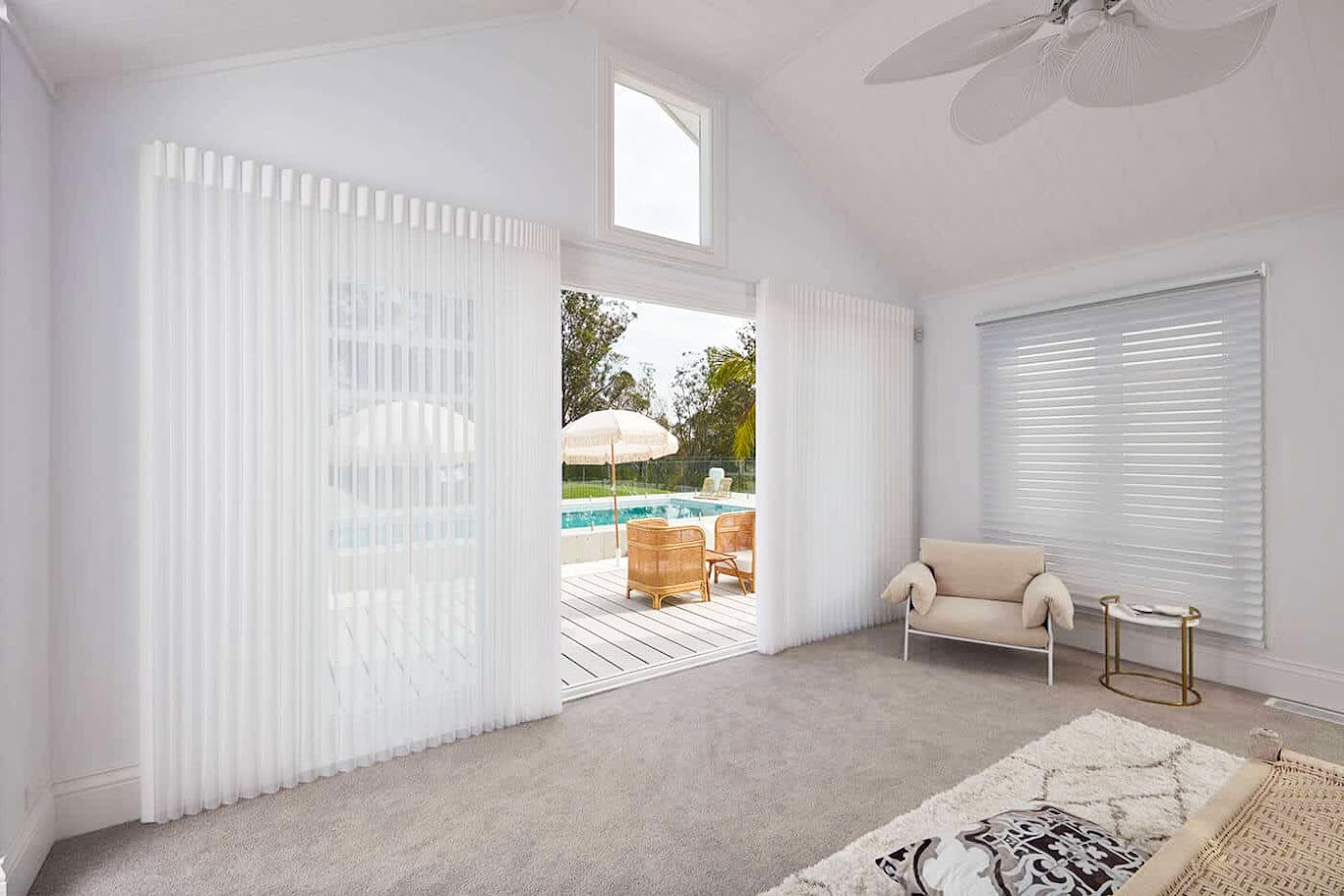
3. Ideal Spaces for Combining Vertical and Horizontal Blinds
Modern Living Rooms
The living room reflects the homeowner's personal style and is often one of the main areas where natural light enters the home. Well-designed window treatments can enhance the overall appearance of the room while creating a comfortable and inviting atmosphere.
For living rooms with large glass windows, vertical blinds create an elegant, elongated look, while horizontal blinds introduce balanced lines that add visual interest to the window area.
Homeowners should consider choosing colors that complement the sofa, area rug, or wall finishes to create a cohesive interior design. If the room already features bold furniture or decorative accents, simple and understated blinds can help maintain a clean, uncluttered appearance.
Cozy and Private Bedrooms
Bedrooms require a peaceful, comfortable atmosphere with appropriate light control to support relaxation and restful sleep.
When choosing bedroom window treatments, homeowners should prioritize material quality, light-blocking performance, and coverage rather than focusing solely on appearance.
Soft shades such as ivory, beige, light gray, and warm taupe can create a calming and relaxing environment. For bedrooms that receive strong morning sunlight, blinds with higher light-blocking capabilities may be a more suitable option.
Combining vertical and horizontal blinds should be carefully planned according to window dimensions, available installation space, and practical requirements to ensure the room remains comfortable and visually balanced.
Apartments and Condominiums
Apartments and condominiums often emphasize clean design, efficient use of space, and natural lighting. Modern window treatments with harmonious colors and streamlined designs can help complete these interiors effectively.
For wide windows or balcony doors, vertical blinds can create an elegant, elongated appearance. Horizontal blinds are suitable for areas where adjustable slat angles are desirable for light control or where a different decorative effect is preferred.
Before selecting a blind system, homeowners should consider the installation position, door-opening direction, nearby furniture, and operating mechanism to ensure convenient everyday use.
Offices and Workspaces
In professional environments, window treatments must balance aesthetics with functionality. Excessive sunlight can cause screen glare and reduce visual comfort for employees.
Vertical blinds are often suitable for large expanses of office glazing, while horizontal blinds can be used for windows where flexible control over the direction of incoming light is important.
Neutral colors help create a professional atmosphere and coordinate easily with office desks, partitions, and other workplace equipment. The right window treatment can also contribute to a more organized and visually consistent working environment.
4. Tips for Coordinating Colors of Vertical and Horizontal Blinds
Color is one of the most important factors influencing the overall appearance of window treatments. The right combination can complement the architecture and interior furnishings, while poorly coordinated shades may make the room feel visually disconnected.
Choose complementary colors: Combine two similar shades, such as ivory and beige, light gray and charcoal gray, or soft brown and medium brown. This approach works particularly well with minimalist, contemporary, and elegant interiors.
Create subtle contrast: Pair lighter shades with darker tones to add depth and visual interest to the window area. For example, ivory blinds combined with gray accents, or white blinds paired with light brown elements, can create an attractive focal point while maintaining a refined appearance.
Coordinate with existing interiors: Consider the colors of the walls, flooring, sofa, cabinets, and the amount of natural light before making a final decision. In smaller rooms, lighter colors can help create a more open and airy impression. In larger spaces, deeper neutral tones can introduce warmth and a sense of sophistication.
Beyond color, homeowners should also consider slat width, surface texture, material selection, and the arrangement of the blind systems. Consistency across these elements is essential for achieving a polished and visually appealing result.
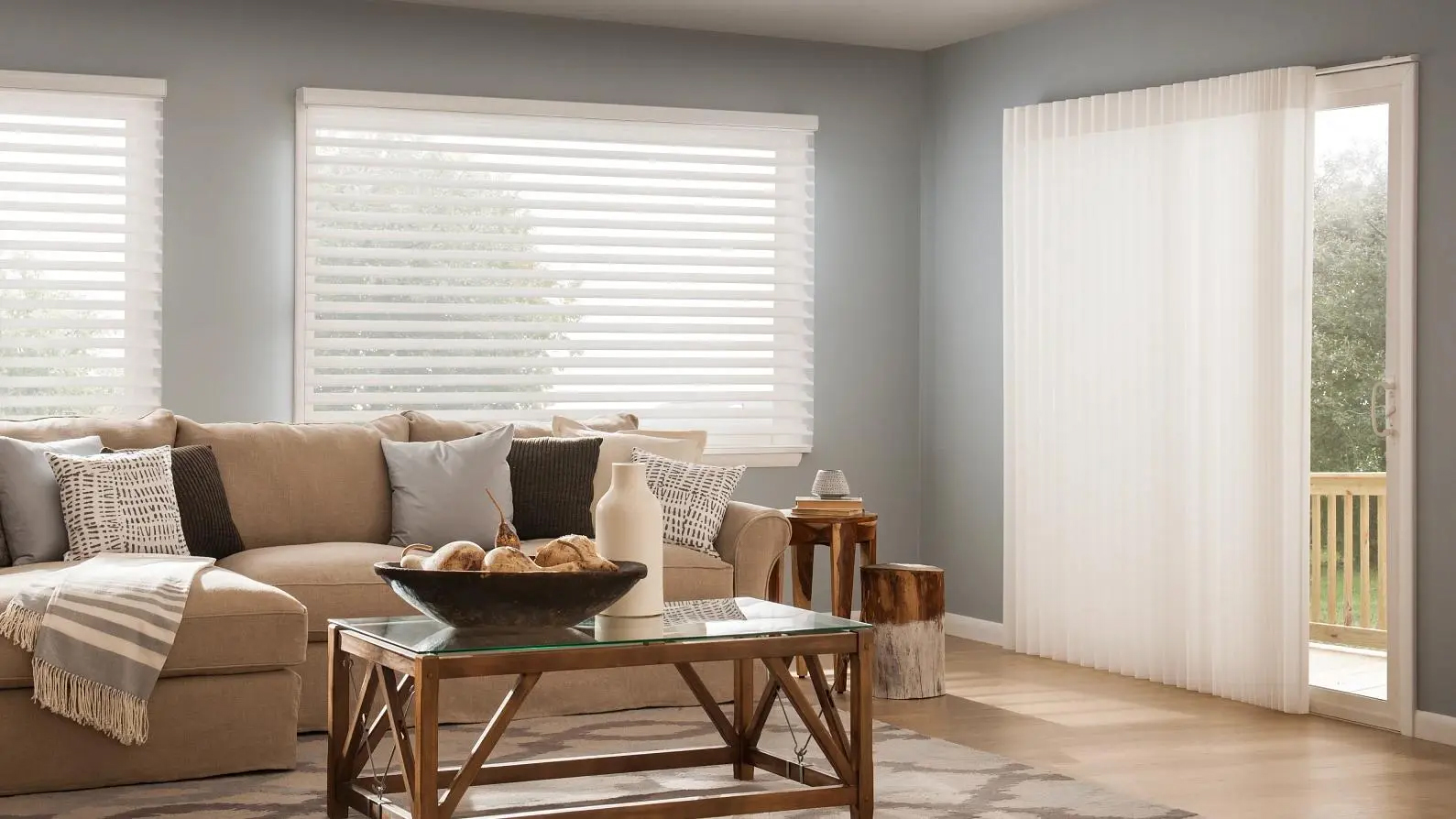
5. Tips for Choosing the Right Combination of Vertical and Horizontal Blinds
To achieve an attractive window treatment that meets your practical needs, consider the following factors when selecting vertical and horizontal blinds.
Determine your primary requirements: If aesthetics are your main priority, focus on colors, styles, and how the blinds complement your interior design. If you need to reduce direct sunlight or block incoming light, choose products based on their technical specifications and light-control performance.
Measure your windows accurately: Window width, height, and the available space above the window frame all influence the choice of blind system. Accurate measurements help minimize installation errors and ensure a balanced, well-fitted appearance.
Choose suitable materials: The materials should meet your requirements regarding everyday use, exposure to sunlight, ease of cleaning, and expected durability. Selecting the right material can help maintain both the appearance and functionality of your window treatments over time.
Consider the operating mechanism: Make sure the blinds are easy to raise, lower, rotate, or adjust, depending on their design. They should not interfere with opening doors, window handles, or nearby furniture.
Set a suitable budget: The total cost depends on window dimensions, materials, operating mechanisms, accessories, and installation complexity. Discussing the scope of work and associated costs in advance will help you choose a solution that suits your budget and requirements.
For large windows or projects involving multiple blind systems, an on-site assessment can help determine the most practical arrangement, reduce potential installation issues, and ensure convenient everyday operation.
6. ZenDecor – Enhancing Interior Beauty, One Window at a Time
A beautiful living space is created through the harmonious combination of architecture, lighting, colors, and furnishings. Within this overall design, window treatments serve both a practical purpose and an important decorative role, helping homeowners express their personal style.
With its concept of combining vertical and horizontal blinds, ZenDecor focuses on modern window treatment solutions that emphasize visual harmony and respond to the practical needs of different living environments.
Depending on room size, window dimensions, sun exposure, and interior design preferences, homeowners can select suitable color combinations, materials, and styles. A thoughtfully designed blind system can transform an ordinary window into an attractive focal point while bringing a more polished appearance to the entire room.
If you are looking for inspiration to refresh your living room, enhance your apartment, or upgrade your workspace, choosing window treatments that suit your specific needs is an excellent place to start.
ZenDecor accompanies you on your journey toward a more beautiful living environment with refined, harmonious, and aesthetically appealing window treatment solutions.
Combining vertical and horizontal blinds is an excellent option for homeowners who appreciate contemporary interior design. The contrast between elegant vertical lines and balanced horizontal lines adds visual interest to windows while offering a variety of choices in colors, materials, and light-control options.
For the best results, select products according to window dimensions, natural lighting conditions, privacy requirements, and the overall style of the room.
ZenDecor – Transforming windows into focal points and creating beautiful, inspiring living spaces.
>> Read More: Smart ZenDecor Zipscreen Blinds – A Premium Sun-Shading Trend for Townhouses and Villas
Related articles
View all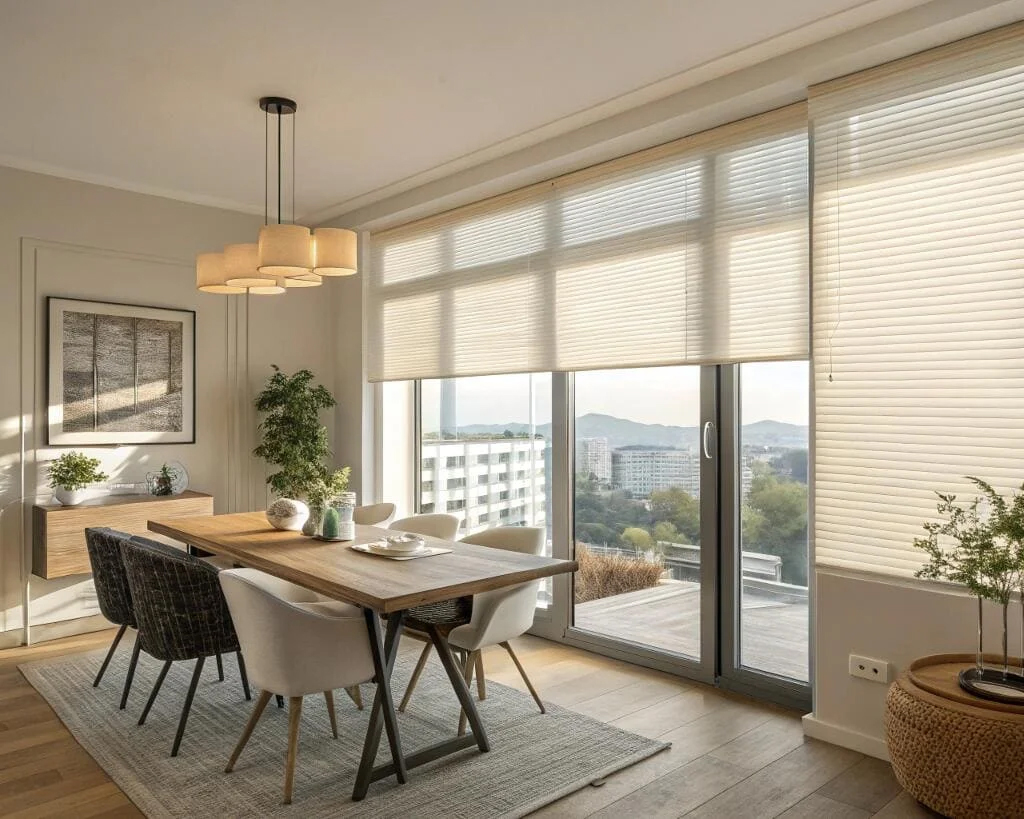
Honeycomb Blinds for Sun Protection and Insulation: Are They Worth the Investment?
ZENDECOR specializes in stylish, high-quality window blinds featuring elegant designs to suit townhouses, apartments, villas, and offices. Discover our Honeycomb blinds for sun protection and thermal insulation, along with a wide range of premium window coverings designed to enhance comfort, elegance, and privacy in every space.
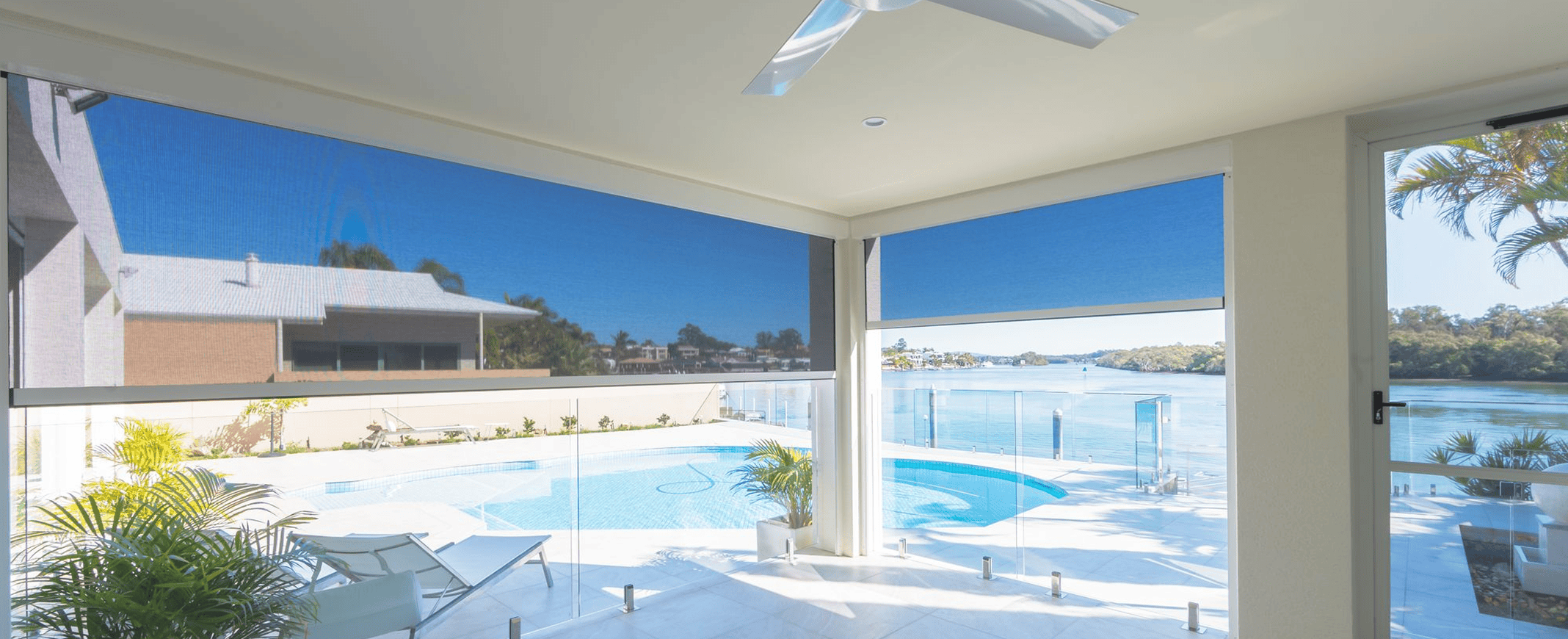
ZENDECOR Smart Zipscreen Blinds – A Premium Sun-Shading Trend for Modern Townhouses and Villas
In modern architecture, open spaces such as balconies, patios, large glass windows, and outdoor relaxation areas are becoming increasingly important. However, intense sunlight, high temperatures, wind, dust, and privacy concerns can affect a family's comfort and daily living experience. Choosing the right sun-shading solution not only enhances comfort but also contributes to the overall aesthetics and architectural appeal of the property.
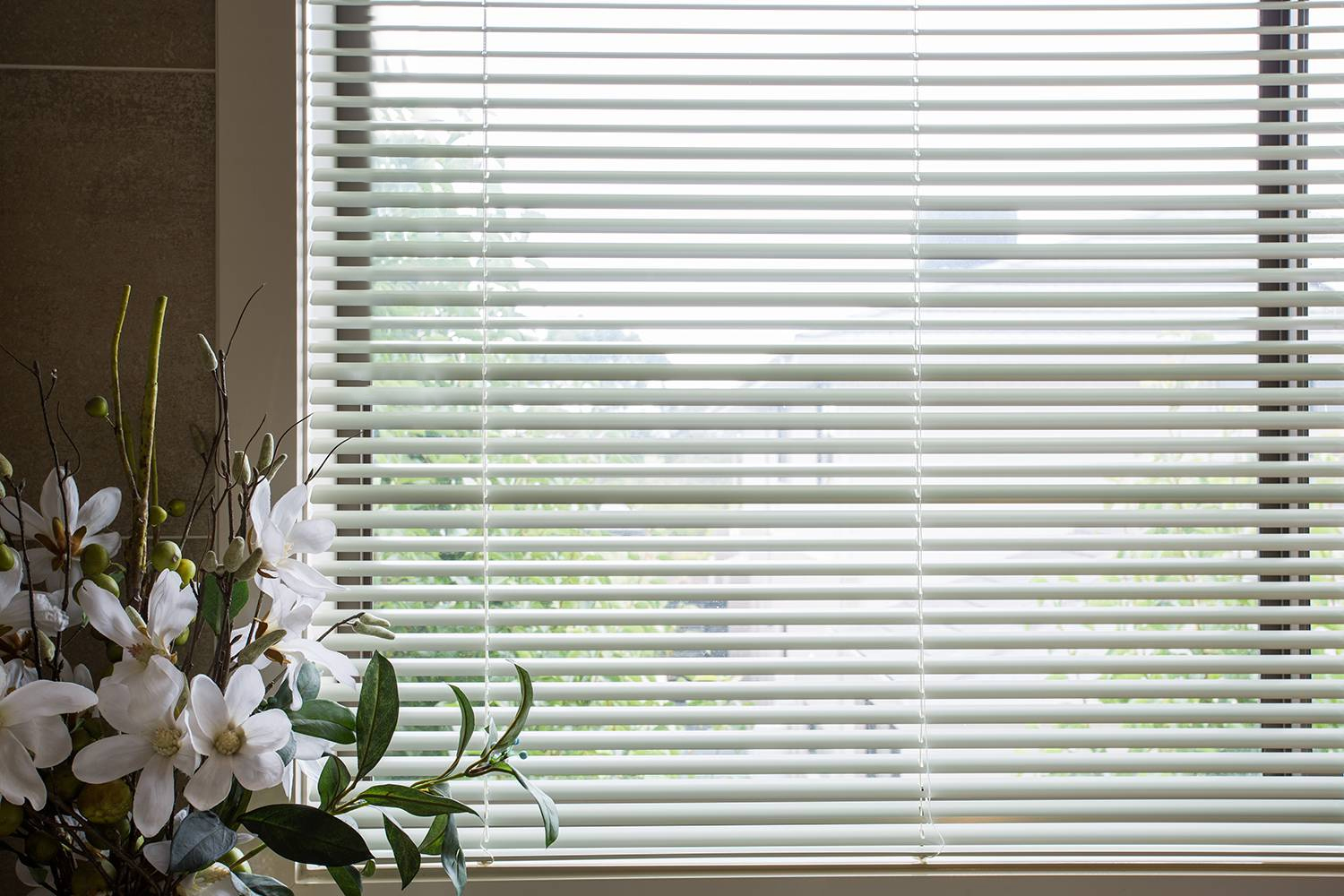
Office Aluminum Blinds – The Perfect Choice for Modern Workspaces
ZENDECOR office aluminum blinds offer a modern sun-shading solution, allowing flexible light control, reducing glare, and creating a professional working environment. With a sleek design, easy maintenance, and cost-effective performance, aluminum blinds are ideal for corporate offices, meeting rooms, and workspaces with glass windows. ZENDECOR provides expert advice to help customers choose the most suitable blinds for their space and specific needs.
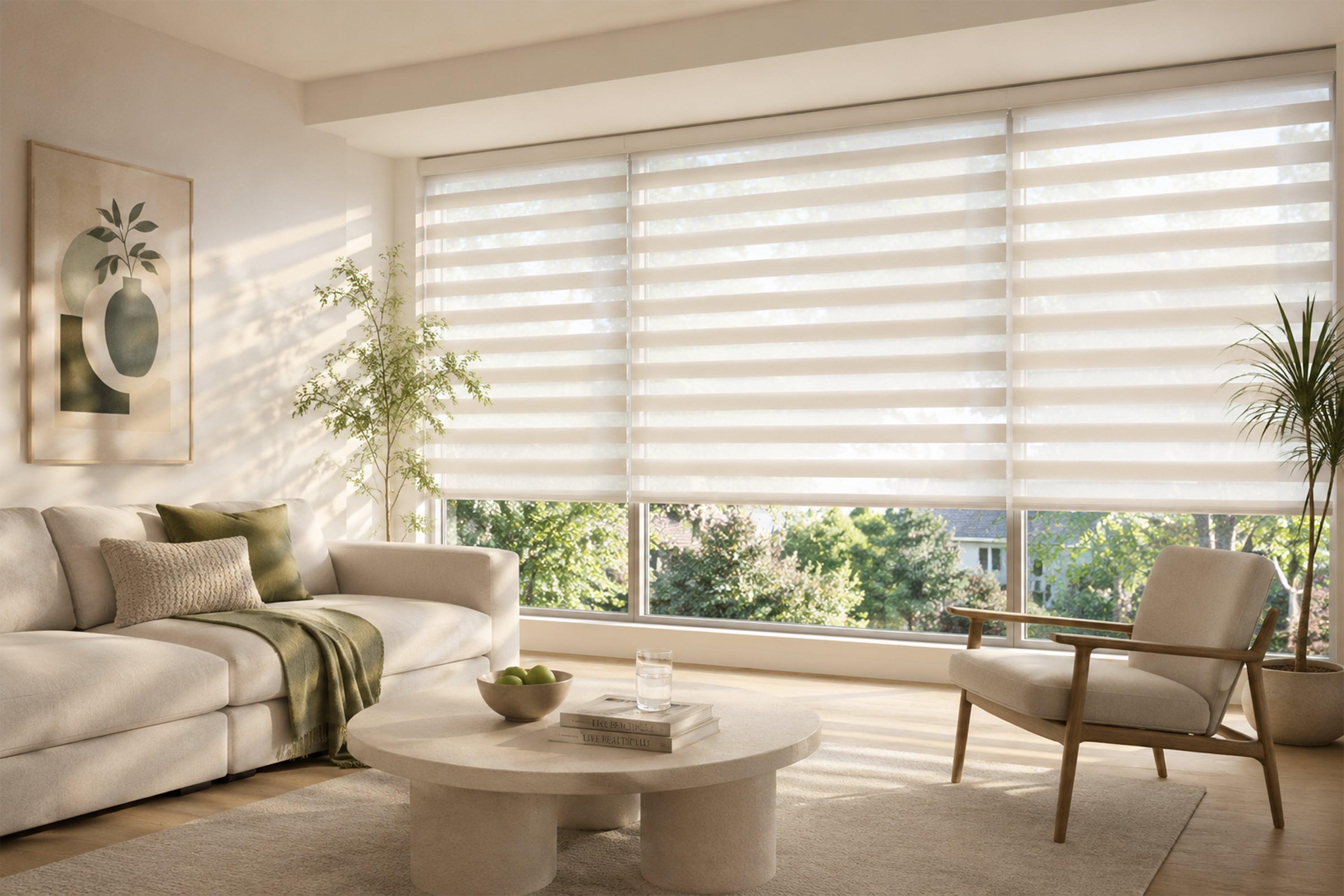
Beautiful Zebra Blinds – A Modern Window Décor Solution | ZENDECOR
The harmonious combination of sheer and light-filtering fabric bands creates a unique design that allows flexible light control while enhancing privacy and maintaining an airy, open atmosphere. From elegant living rooms and cozy bedrooms to modern offices, zebra blinds are more than just a practical window-covering solution — they are a sophisticated decorative accent that elevates the beauty of any interior.