
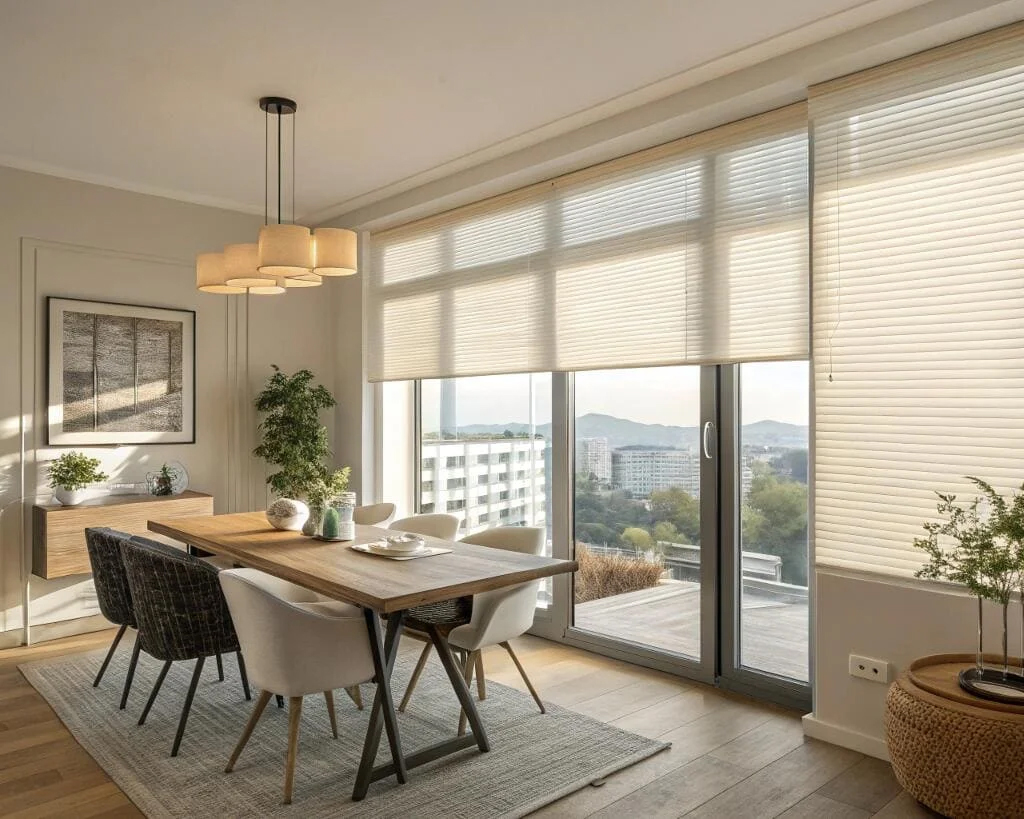
Honeycomb Blinds for Sun Protection and Insulation: Are They Worth the Investment?
ZENDECOR specializes in stylish, high-quality window blinds featuring elegant designs to suit townhouses, apartments, villas, and offices. Discover our Honeycomb blinds for sun protection and thermal insulation, along with a wide range of premium window coverings designed to enhance comfort, elegance, and privacy in every space.
In recent years, Honeycomb blinds, also known as cellular shades, have become increasingly popular among homeowners thanks to their modern design, light control capabilities, and unique fabric structure that helps improve thermal insulation. Suitable for apartments, townhouses, villas, offices, and properties with large glass windows, these blinds offer a practical solution for modern living spaces.
However, compared with some traditional window coverings, Honeycomb blinds may raise questions about their initial investment cost. How effective are they at blocking sunlight and insulating against heat? Can cellular shades make indoor spaces more comfortable during summer and help reduce air conditioning costs? When is it worth choosing this type of blind?
In this article, ZENDECOR explores the features, advantages, limitations, and costs of Honeycomb blinds to help you make an informed decision based on your actual needs.
1. What Are Honeycomb Blinds?
Honeycomb blinds are window coverings made from fabric with a series of hollow cells that resemble a honeycomb when viewed in cross-section. These air pockets create an insulating layer between the window glass and the interior space, helping reduce heat transfer through windows.
Unlike conventional fabric curtains, which typically consist of one or more flat layers of fabric, cellular shades feature a distinctive structure designed to control incoming light while helping improve thermal insulation.
Honeycomb blinds usually have a sleek, compact design and can be raised or lowered according to your needs. When raised, they fold neatly into a compact stack, taking up minimal space and keeping windows looking clean and uncluttered.
Today, these blinds are available in a variety of colors, sizes, and light-filtering options. Depending on the model, homeowners can choose light-filtering fabrics, room-darkening options, or blackout shades for bedrooms and other spaces where limiting incoming light is a priority.
2. Why Do Honeycomb Blinds Provide Sun Protection and Thermal Insulation?
The main advantage of cellular shades lies in the air pockets within their fabric structure. This distinctive design sets them apart from many conventional window coverings.
2.1. Honeycomb Cells Create an Air Insulation Layer
The hollow cells within Honeycomb fabric trap relatively still air. This insulating layer helps slow heat transfer between the window area and the interior of the room.
During summer, direct sunlight can heat window glass and increase indoor temperatures. When properly selected and installed, Honeycomb blinds can help reduce heat transfer through windows, contributing to a more comfortable indoor environment.
Actual performance depends on several factors, including the type of glass, window orientation, fabric color, number of cellular layers, installation fit, and the specific conditions of each property.

2.2. Reducing Direct Sunlight
Harsh sunlight not only increases indoor temperatures but can also cause glare, affecting relaxation, work, and the use of electronic devices.
Honeycomb blinds are available in different fabric options to suit various light-filtering needs. Room-darkening fabrics can significantly reduce the amount of light entering a room, while light-filtering options allow natural daylight to brighten the interior.
For rooms with west-facing windows or glass surfaces exposed to intense afternoon sunlight, choosing the right type of cellular shade can help improve indoor comfort.
2.3. Helping Reduce Heat Loss
Honeycomb blinds are beneficial not only during summer but can also help reduce heat transfer through windows during colder weather or when air conditioning is in use.
This makes them worth considering for apartments with large glass windows, offices that frequently use air conditioning, and spaces where maintaining a relatively stable indoor temperature is important.
However, Honeycomb blinds cannot fully replace insulated glazing, properly sealed windows, or dedicated building insulation solutions.
3. Key Benefits of Honeycomb Blinds for Sun Protection and Thermal Insulation
3.1. Creating a More Comfortable Indoor Environment in Summer
In rooms with large glass windows, solar heat can make the interior uncomfortably warm, particularly around midday and in the afternoon.
Honeycomb blinds help reduce heat transfer through windows while limiting direct sunlight. As a result, areas near windows can feel more comfortable for everyday activities such as relaxing, reading, working, or resting.
This is one of the main reasons many homeowners consider cellular shades when looking for effective sun-control solutions for modern homes.
3.2. Helping Reduce Air Conditioning Costs
When less heat enters from outside, air conditioning systems may require less cooling effort under certain conditions.
However, energy savings vary from one property to another. Actual results depend on window area, sun exposure, the insulation performance of walls and windows, thermostat settings, air conditioning usage, and how the blinds are installed.
Therefore, potential energy savings should be considered an additional benefit of Honeycomb blinds rather than a guaranteed percentage without a proper assessment.
3.3. Enhancing Privacy in Living Spaces
In addition to sun protection, cellular shades can help limit visibility from outside when the appropriate fabric is selected and used correctly.
For bedrooms, home offices, apartments, and windows facing busy streets or neighboring properties, these blinds can create a greater sense of privacy and comfort.
For maximum light reduction, blackout fabrics are worth considering. If you prefer to retain natural daylight, light-filtering or moderately room-darkening fabrics may be more suitable.
Keep in mind that nighttime privacy also depends on fabric transparency and the lighting conditions inside the room.
3.4. Modern Design That Saves Space
Honeycomb blinds feature a clean, minimalist appearance that complements a wide range of interior styles, including contemporary, minimalist, Scandinavian, and upscale apartment interiors.
When raised, the blinds fold neatly into a compact stack. This design helps avoid the bulky appearance that can sometimes come with thick fabric curtains.
They are also suitable for smaller windows and for homeowners who want to keep window areas looking neat, elegant, and uncluttered.
3.5. Versatile Options for Different Needs
Depending on their design and construction, Honeycomb blinds can accommodate a variety of applications:
-
Bedrooms: Choose room-darkening or blackout fabrics to help create a comfortable sleeping environment.
-
Living rooms: Select colors that complement the interior and provide the desired level of light filtering.
-
Home offices: Reduce screen glare while maintaining suitable levels of natural daylight.
-
West-facing apartments: Prioritize appropriate sun-blocking performance and insulating construction.
-
Small windows: Choose compact designs that are easy to operate.
Selecting the right blind is just as important as product quality, as every room has different lighting conditions and functional requirements.
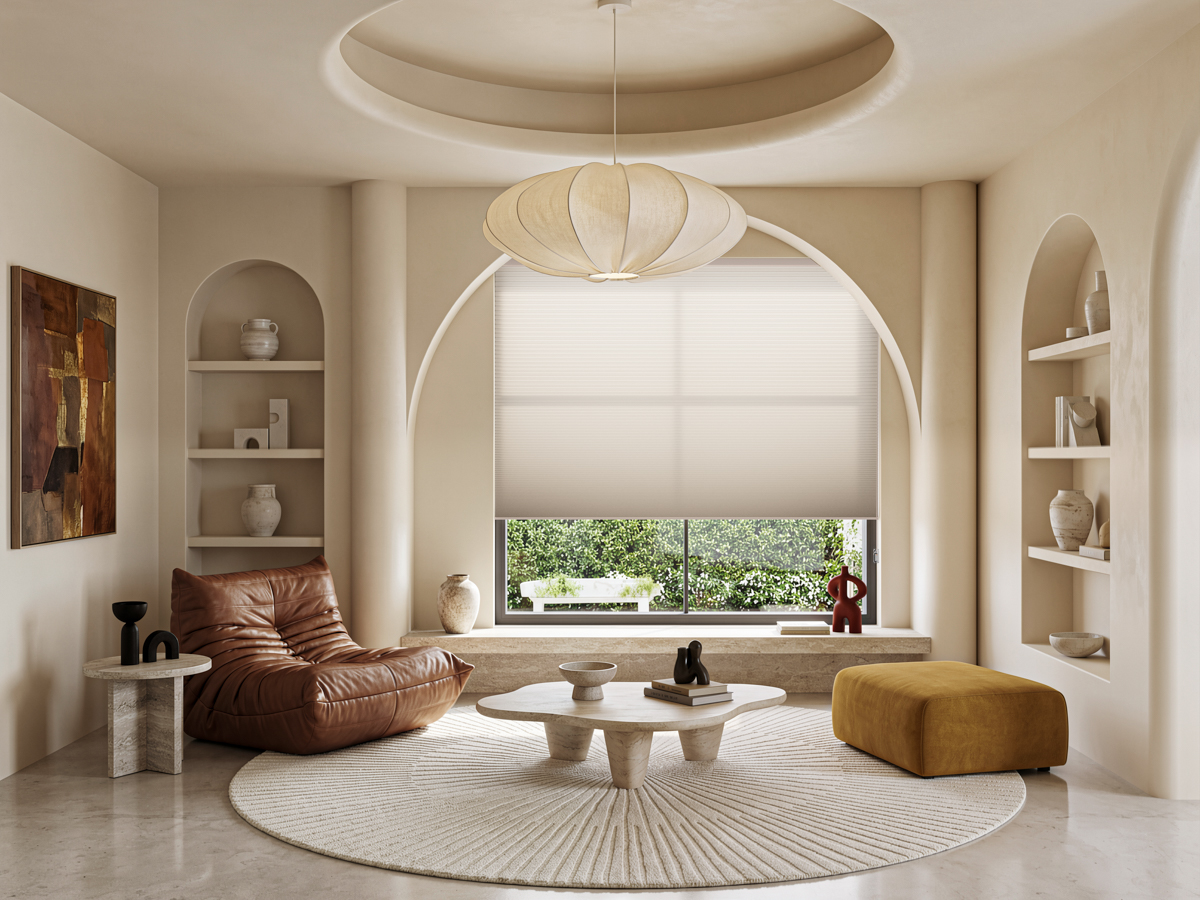
4. What Are the Disadvantages of Honeycomb Blinds?
To determine whether Honeycomb blinds are worth the investment, it is important to consider their limitations as well as their advantages.
4.1. Higher Initial Costs Than Some Standard Window Blinds
Depending on the fabric, cellular structure, dimensions, and operating mechanism, Honeycomb blinds may cost more than some basic roller blinds or conventional fabric curtains.
However, the overall value should also be assessed in terms of functionality, durability, convenience, and potential thermal insulation benefits over time.
Rather than comparing prices per square meter alone, homeowners should consider the overall value the product brings to their living space.
4.2. Performance Depends on Product Quality and Installation
Not all cellular shades offer the same level of light control and thermal insulation. The cellular structure, fabric material, coatings, fabric color, and gaps around the edges can all affect actual performance.
For windows exposed to intense sunlight, choosing an unsuitable model may result in less effective heat reduction than expected.
Therefore, it is advisable to assess window orientation, glass area, and specific usage requirements before making a decision.
4.3. Proper Cleaning and Maintenance Are Essential
Because Honeycomb blinds feature multiple folds and hollow cells, they should be cleaned gently to prevent fabric deformation.
Use a vacuum cleaner with a suitable attachment on a low setting or a soft brush to remove dust from the surface and folds. Avoid soaking the blinds, using harsh cleaning chemicals, or applying excessive force without first checking the manufacturer's care instructions.
5. Comparing Honeycomb Blinds With Other Popular Sun-Blocking Window Treatments
To find the most suitable solution, consider the key differences between Honeycomb blinds and other common types of window coverings.
|
Feature |
Honeycomb Blinds |
Roller Blinds |
Fabric Curtains |
|---|---|---|---|
|
Construction |
Fabric with honeycomb-shaped air pockets |
A flat fabric panel that rolls up and down |
One or more layers of fabric |
|
Thermal insulation |
Benefits from the cellular air-pocket structure |
Depends on fabric and coating |
Depends on fabric thickness, lining, and installation |
|
Light control |
Depends on fabric type |
Depends on fabric type |
Depends on fabric and number of layers |
|
Style |
Compact and modern |
Minimalist and practical |
Soft, versatile, and decorative |
|
Cleaning |
Requires gentle cleaning |
Generally straightforward |
Depends on fabric; some require washing |
|
Best suited for |
Windows, apartments, bedrooms |
Offices, windows, workspaces |
Living rooms, bedrooms, villas |
This comparison is intended as a general guide. Actual sun-blocking and thermal insulation performance depends on the specific product.
If you prioritize a compact design with a structure that helps improve thermal insulation, Honeycomb blinds are worth considering. If you prefer a simple and potentially more affordable solution, roller blinds may be suitable. Fabric curtains, meanwhile, are popular for their soft appearance and ability to enhance interior decor.
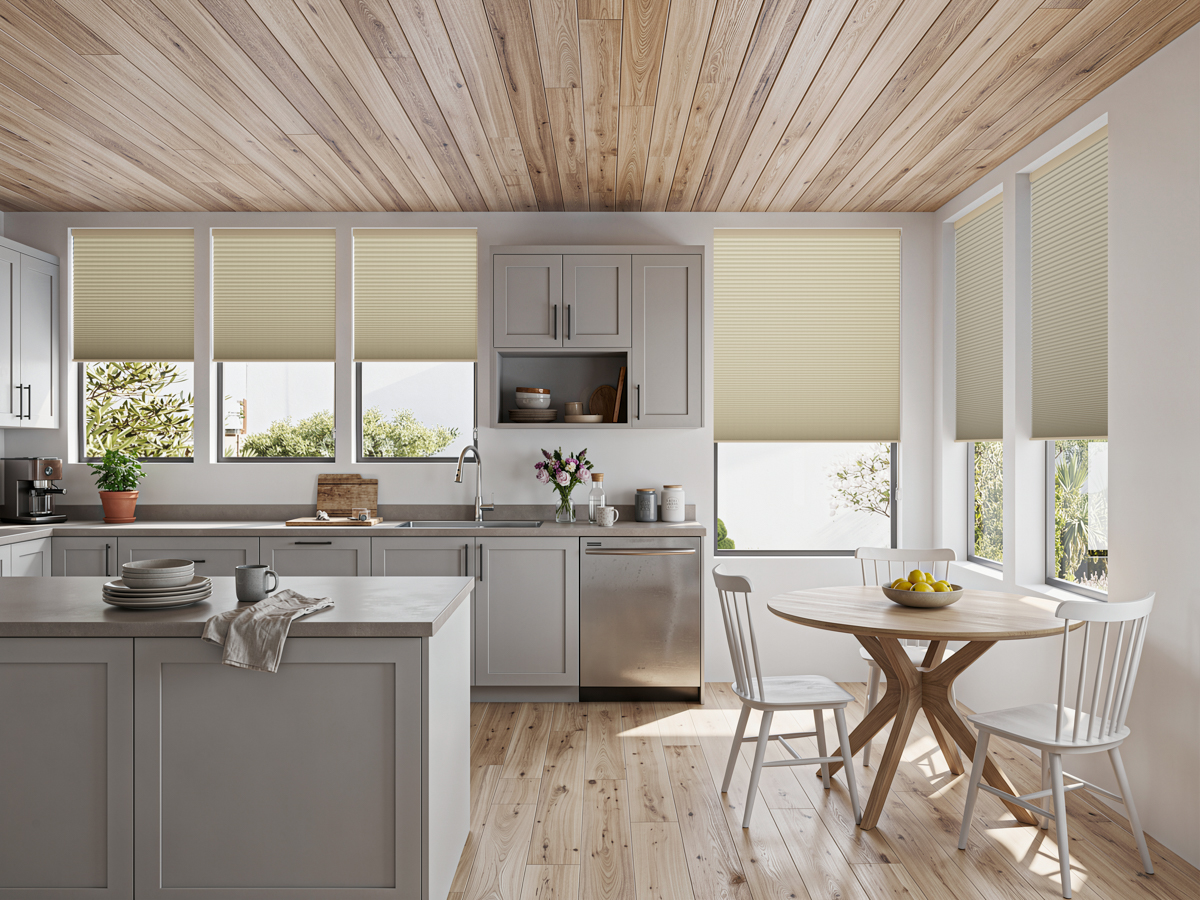
6. Are Honeycomb Blinds for Sun Protection and Thermal Insulation Worth the Investment?
The answer is yes, Honeycomb blinds can be a worthwhile investment if they suit the property's characteristics and the household's needs.
To make an informed decision, consider three key factors: the amount of sunlight entering the room, how frequently air conditioning is used, and the aesthetic value the blinds bring to the interior.
When Are Honeycomb Blinds Worth Investing In?
Homes with west-facing windows or windows exposed to intense sunlight: Direct sunlight can cause indoor spaces to heat up quickly. Cellular shades are worth considering as part of a solution for managing heat and light.
Apartments with large glass windows: Their compact design creates a modern appearance while helping reduce heat transfer through windows.
Bedrooms that require effective light control: When fitted with suitable blackout fabric, Honeycomb blinds can significantly limit incoming light and help create a more comfortable sleeping environment.
Home offices that frequently use air conditioning: These blinds help control incoming light and may reduce cooling demand under suitable conditions.
Homeowners seeking a long-term solution: If you value aesthetics, a space-saving design, and thermal insulation benefits, the higher initial cost may be justified by the product's overall value over time.
When Should You Consider Other Options?
If your windows receive little direct sunlight, your room rarely uses air conditioning, or your budget is limited, consider comparing Honeycomb blinds with sun-blocking roller blinds and other affordable window coverings.
Additionally, if your primary goal is to reduce excessive indoor heat, installing blinds alone may not be sufficient. You should also assess the quality of your glazing, window seals, roof, and walls, and consider a more comprehensive heat-control solution.
7. How to Choose the Right Honeycomb Blinds
To get the best performance from your blinds, consider the following factors before making a purchase.
7.1. Identify Window Orientation and Sun Exposure
West-facing windows typically receive intense afternoon sunlight, while north-facing windows or windows sheltered by surrounding buildings may have different requirements.
Determine when direct sunlight enters the room, how warm the area near the window becomes, and how the room is used. These factors will help you select the most appropriate fabric and cellular structure.
7.2. Choose the Right Level of Light Control
Bedrooms generally benefit from greater light reduction than living rooms. For home offices, it is important to balance glare control with the need for natural daylight.
You should also distinguish between light-blocking performance and thermal insulation. Although these features are related, they are not the same. A dark-colored or highly opaque blind is not necessarily the most effective option for thermal insulation.
7.3. Select Colors That Complement Your Interior
Neutral shades such as white, cream, beige, and gray complement a wide range of interior styles. Choose colors that coordinate with your walls, window frames, flooring, and furniture.
Beyond appearance, check the technical specifications of each fabric if solar reflection and heat control are priorities.
7.4. Ensure Accurate Measurement and Installation
Blind dimensions should match the window opening and the chosen installation method. For large windows or difficult-to-reach areas, a professional site assessment can help minimize measurement errors and ensure smooth operation.
Gaps around the edges may also affect light control and thermal performance. Therefore, do not base your decision solely on product images without considering the actual window conditions.
7.5. Check Product Specifications and Warranty Policies
Before purchasing, ask about the fabric material, cellular construction, light-blocking performance, operating mechanism, cleaning instructions, and warranty coverage.
If thermal insulation is a key requirement, ask the supplier to explain the relevant technical specifications or provide applicable test results rather than relying solely on general advertising claims.
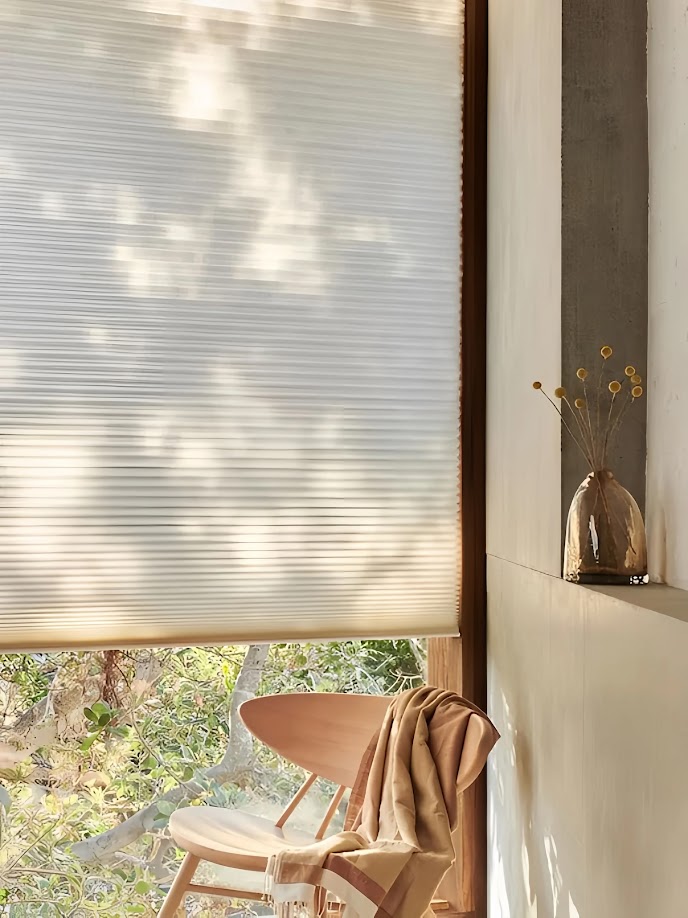
8. How to Clean and Maintain Honeycomb Blinds
Proper care helps preserve the appearance of Honeycomb blinds and minimize damage during everyday use.
-
Regular cleaning: Use a soft brush or a suitable vacuum cleaner attachment to remove dust from the fabric surface and folds.
-
Removing minor stains: Use a soft cloth according to the manufacturer's care instructions, avoiding excessive moisture that could affect the fabric structure.
-
Avoid pulling forcefully: Raise and lower the blinds gently to minimize strain on the operating mechanism.
-
Avoid unsuitable cleaning products: Do not use harsh chemicals or soak the blinds without first confirming that the material can tolerate water.
-
Inspect components regularly: Check the cords, operating mechanism, and mounting points to identify potential problems early.
If the blinds are installed in a dusty environment or near windows that are frequently opened, you may need to clean them more often, depending on the conditions.
9. Where to Buy Stylish, High-Quality Honeycomb Blinds?
Choosing a reputable supplier is essential to ensure that your blinds meet your functional requirements and suit the specific conditions of your property.
When shopping for Honeycomb blinds, look for a supplier that can provide recommendations based on window orientation, glass area, sun exposure, and intended use. You should also receive clear information about fabric materials, available designs, operating mechanisms, pricing, and warranty policies.
ZENDECOR aims to help customers find suitable window covering solutions for a variety of spaces, including apartments, townhouses, villas, and offices.
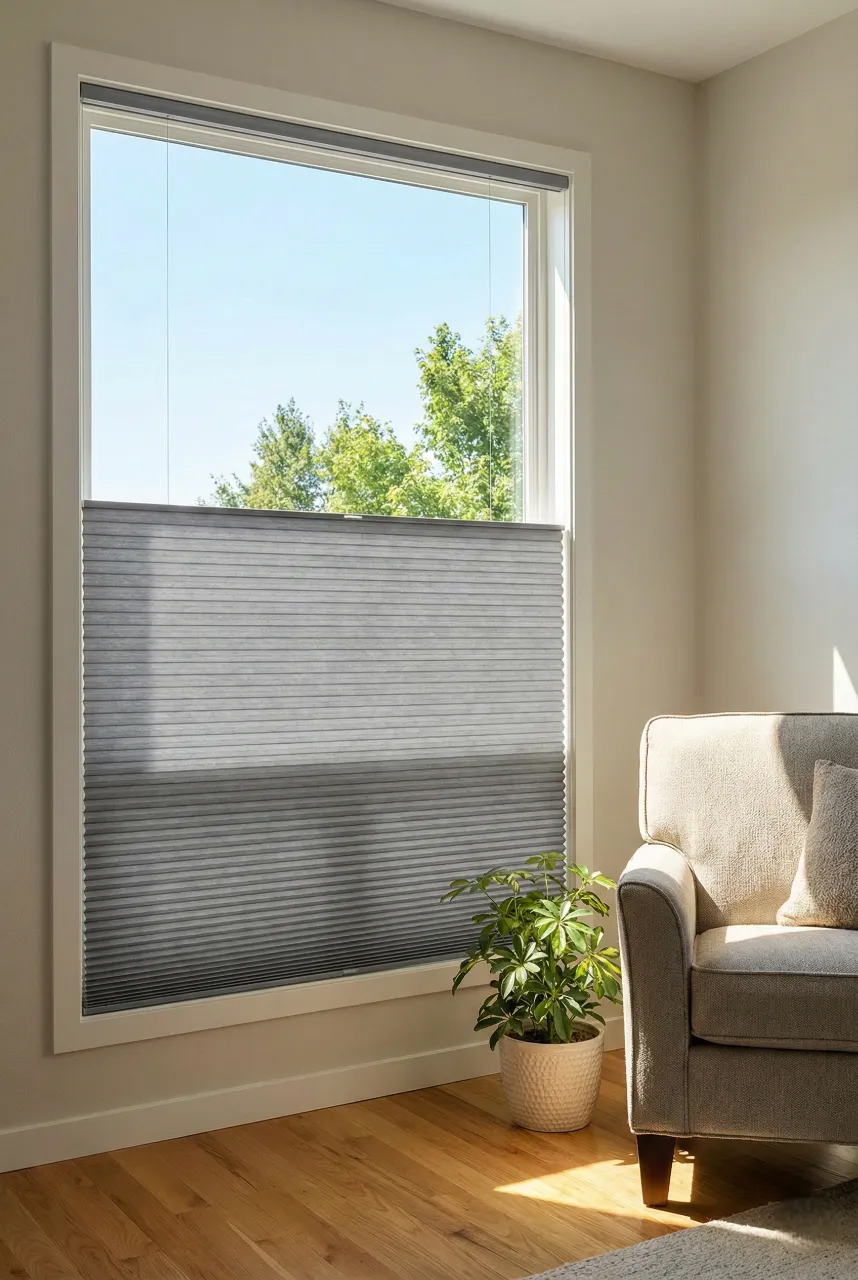
How Long Do Honeycomb Blinds Last?
Honeycomb blinds typically last around 5–10 years or longer, depending on fabric quality, operating mechanisms, frequency of use, and maintenance. To keep your blinds in good condition, clean them regularly with a soft brush or a vacuum cleaner on a low setting, operate them gently, and avoid harsh cleaning chemicals. When purchasing from ZENDECOR, check the fabric materials, components, and warranty policy to help ensure long-lasting performance.
Are Honeycomb Blinds Easy to Clean and Maintain?
Honeycomb blinds are relatively easy to clean and maintain when cared for properly. You can use a soft brush or a vacuum cleaner on a low setting to remove dust from the fabric surface and folds. For minor stains, use a slightly damp, soft cloth if the material allows. Avoid soaking the blinds, using harsh cleaning chemicals, or pulling them forcefully, as these actions may deform the honeycomb structure. Regular cleaning and gentle handling help preserve their appearance, durability, and smooth operation.
What Colors and Sizes Are Available for Honeycomb Blinds?
Honeycomb blinds are available in a variety of colors, including white, cream, beige, gray, and brown, making them suitable for interior styles ranging from modern to minimalist. Depending on the product model and manufacturing options, the blinds can be made to fit the actual dimensions of your windows or glass doors. When choosing Honeycomb blinds from ZENDECOR, consider colors that complement your walls, flooring, and furniture. You should also assess window dimensions, sun exposure, and light-control requirements to find blinds that balance aesthetics and functionality.Looking for Honeycomb blinds that provide sun protection and thermal insulation for your apartment, townhouse, or villa? Contact ZENDECOR for advice on choosing the right blinds to suit your space, functional needs, and budget.
>>See also: Transform Your Windows into a Stunning Focal Point with ZENDECOR’s Vertical and Horizontal Blinds
Related articles
View all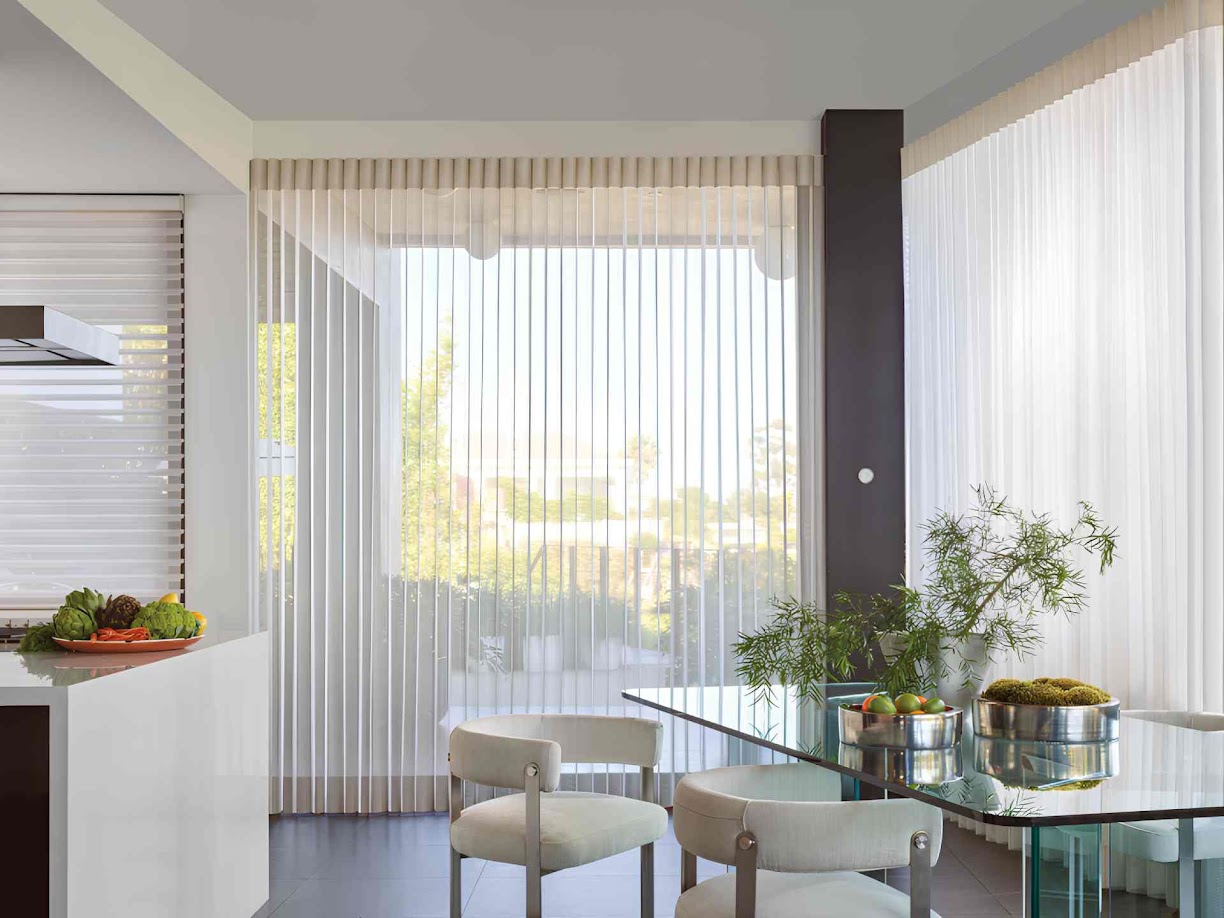
Transform Your Windows into a Stunning Focal Point with ZenDecor’s Vertical and Horizontal Blinds
A beautiful window can transform the entire feel of a room! With the unique combination of vertical and horizontal blinds, ZenDecor offers an elegant window dressing solution that enhances the sophistication of your living space, creates a harmonious balance of natural light, and adds a distinctive touch to every corner of your home.
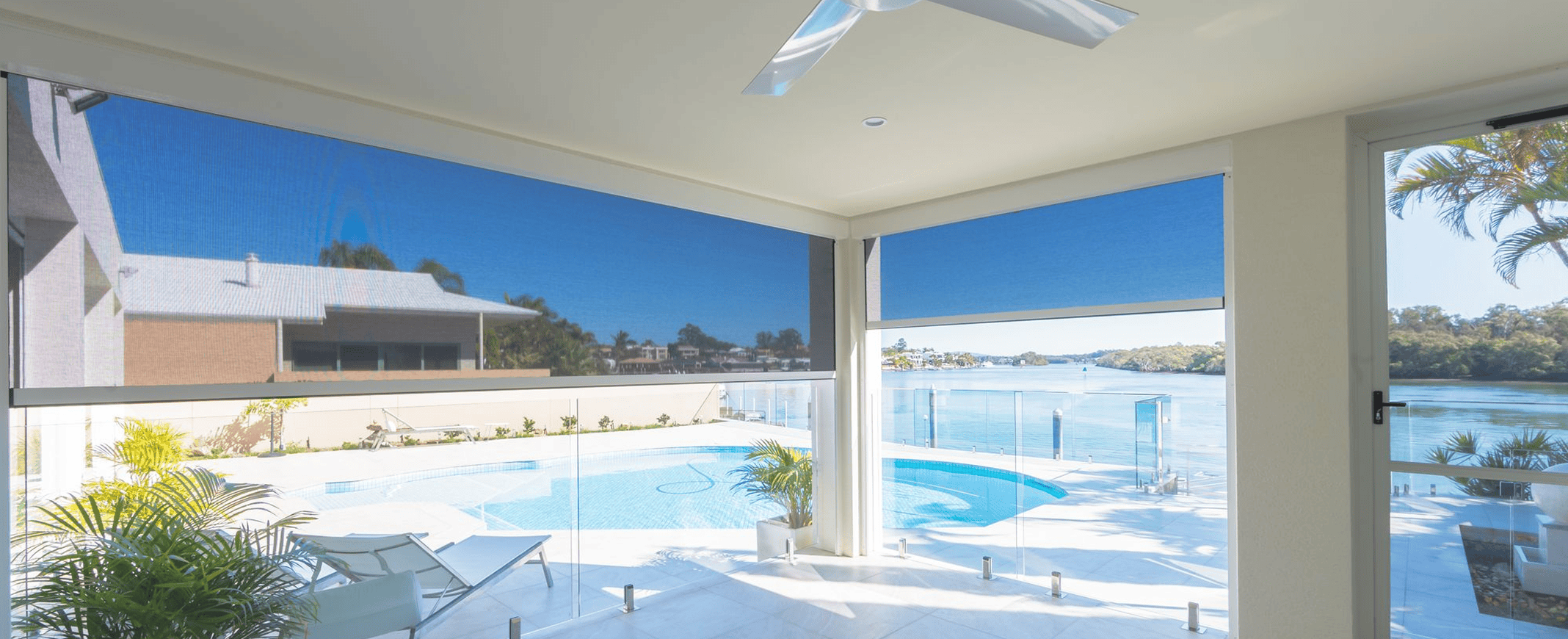
ZENDECOR Smart Zipscreen Blinds – A Premium Sun-Shading Trend for Modern Townhouses and Villas
In modern architecture, open spaces such as balconies, patios, large glass windows, and outdoor relaxation areas are becoming increasingly important. However, intense sunlight, high temperatures, wind, dust, and privacy concerns can affect a family's comfort and daily living experience. Choosing the right sun-shading solution not only enhances comfort but also contributes to the overall aesthetics and architectural appeal of the property.
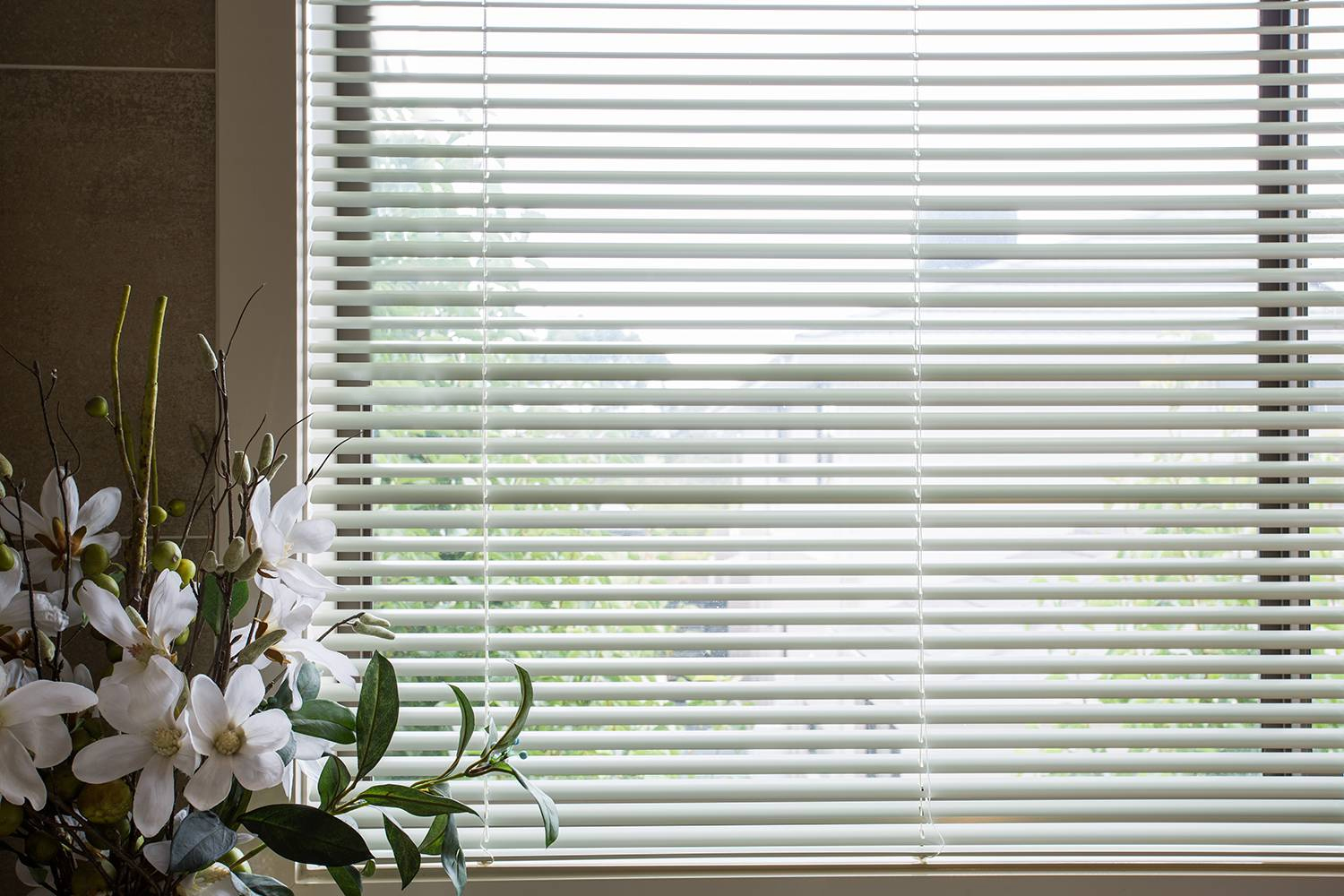
Office Aluminum Blinds – The Perfect Choice for Modern Workspaces
ZENDECOR office aluminum blinds offer a modern sun-shading solution, allowing flexible light control, reducing glare, and creating a professional working environment. With a sleek design, easy maintenance, and cost-effective performance, aluminum blinds are ideal for corporate offices, meeting rooms, and workspaces with glass windows. ZENDECOR provides expert advice to help customers choose the most suitable blinds for their space and specific needs.
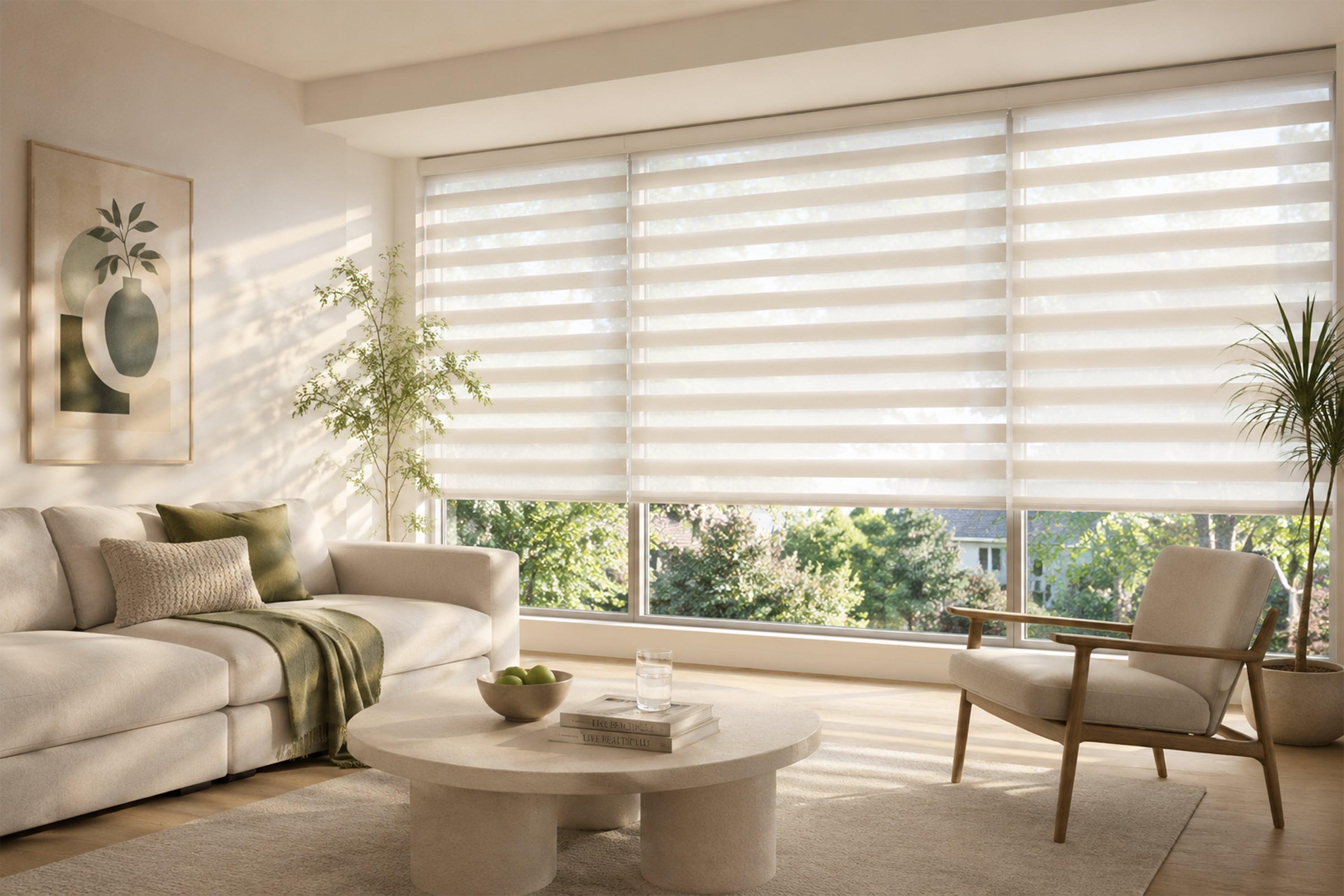
Beautiful Zebra Blinds – A Modern Window Décor Solution | ZENDECOR
The harmonious combination of sheer and light-filtering fabric bands creates a unique design that allows flexible light control while enhancing privacy and maintaining an airy, open atmosphere. From elegant living rooms and cozy bedrooms to modern offices, zebra blinds are more than just a practical window-covering solution — they are a sophisticated decorative accent that elevates the beauty of any interior.