
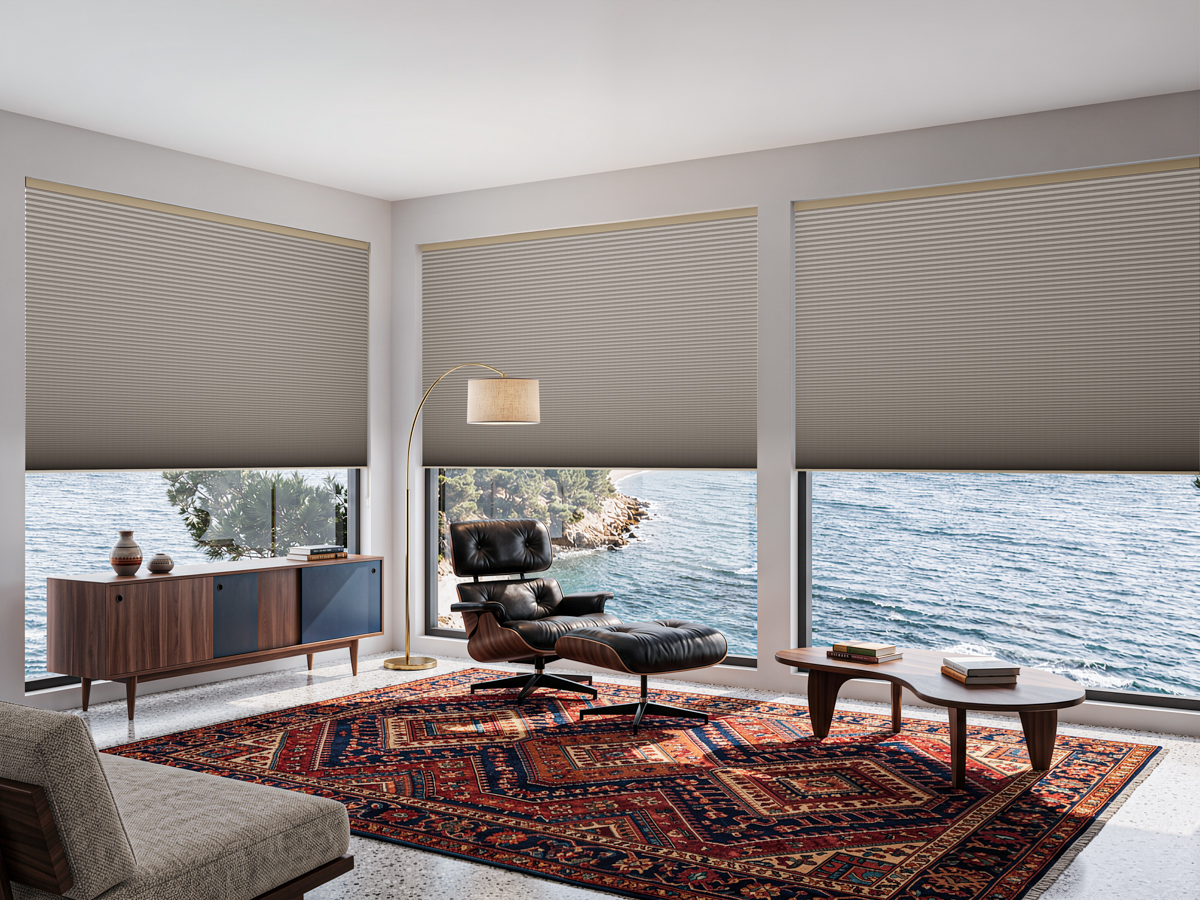
The Best Honeycomb Blinds of 2026: Elegant, Refined and Excellent at Blocking Light
In recent years, sun-control products with a minimal, modern and versatile design have drawn steadily more interest. Among them, honeycomb blinds have become a standout choice for townhouses, apartments, villas, offices and modern interiors.
Beyond their neat profile, honeycomb blinds have a distinctive structure with honeycomb-shaped hollow cells that hold a layer of air inside. This structure helps limit heat transfer through the window, and the product comes in several light-transmission options, from light-filtering to room-darkening to blackout.
In 2026, attractive, elegant, well light-blocking honeycomb blinds are increasingly chosen for living rooms, bedrooms, studies and areas with large glazed windows.
So which honeycomb blind designs are worth choosing? How do you pick a style that is both attractive and a good match for your needs? Let's find out with ZENDECOR below.
1. What are honeycomb blinds?
Honeycomb blinds, also known as Honeycomb Shades or Cellular Shades, are fabric blinds built from layers of fabric joined together to form hollow cells that look like a honeycomb when seen in cross-section.
These cells create a layer of air between the glazing and the interior space. This is an important difference from many ordinary roller or venetian blinds.
Honeycomb blinds come in several build options, such as:
- Single-cell honeycomb blinds.
- Double-cell honeycomb blinds.
- Light-filtering honeycomb blinds.
- Room-darkening honeycomb blinds.
- Blackout honeycomb blinds.
- Corded honeycomb blinds.
- Cordless honeycomb blinds.
- Top Down - Bottom Up honeycomb blinds.
- Motorised honeycomb blinds.
Depending on the window design, sun direction and intended use, homeowners can choose the configuration that suits them.
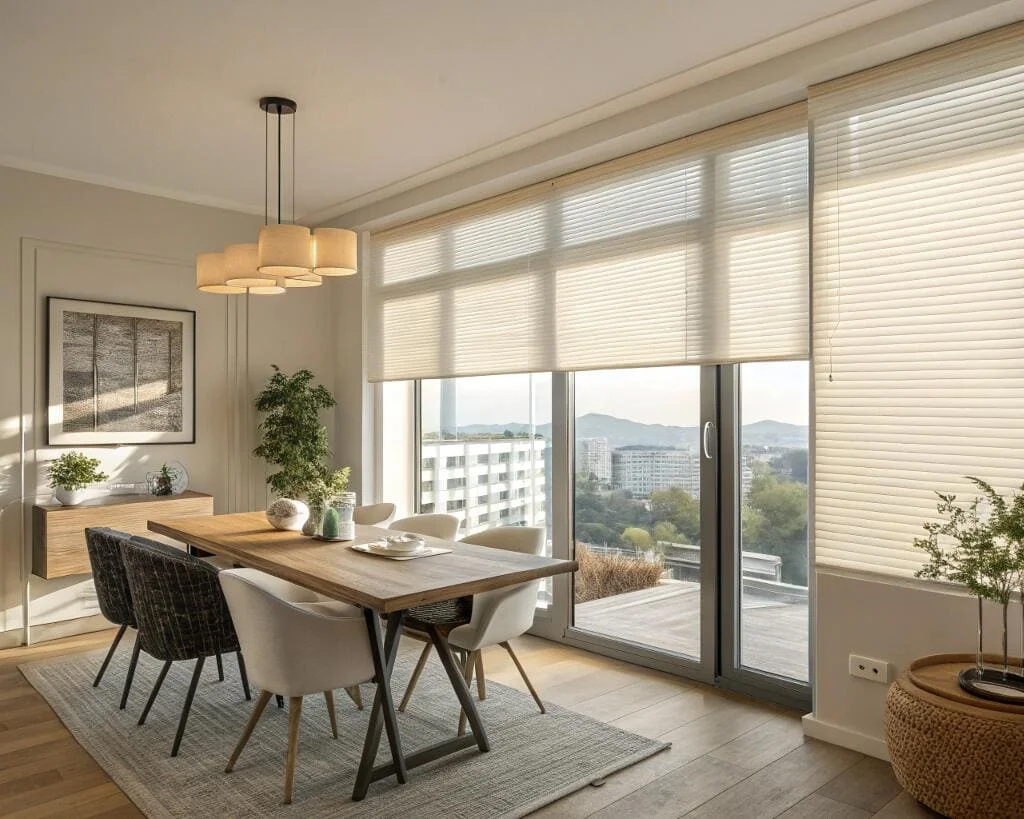
2. Why Are Honeycomb Blinds Popular in 2026?
The appeal of honeycomb blinds is not just about looks. This is a blind that combines aesthetics, light control and support for thermal insulation fairly well.
A minimalist, modern design
Honeycomb blinds have a flat surface, small folds and a compact profile when raised. When lowered, they form a clean, uniform panel of fabric over the window.
This style is especially well suited to:
- Modern townhouses.
- Apartments.
- Villas.
- Bedrooms.
- Studies.
- Minimalist spaces.
- Scandinavian interiors.
- Japandi interiors.
Support for thermal insulation
The cellular structure of honeycomb blinds adds an extra layer of air at the window, which helps limit heat transfer. Multi-cell configurations can improve insulation compared with a single-cell configuration.
This is a notable advantage, especially for large glazed windows or those that get strong sun.
Flexible light control
Honeycomb blinds come in several light-transmission levels.
The light-filtering type lets light pass through in a diffused way, creating a gentle, easy-on-the-eyes feel.
The blackout line, meanwhile, uses a structure and material with a higher light-blocking capacity, well suited to bedrooms, home cinemas or spaces that need to limit strong light.
3. Top Honeycomb Blind Designs Popular in 2026
Design 1: Off-white honeycomb blinds - a refined look
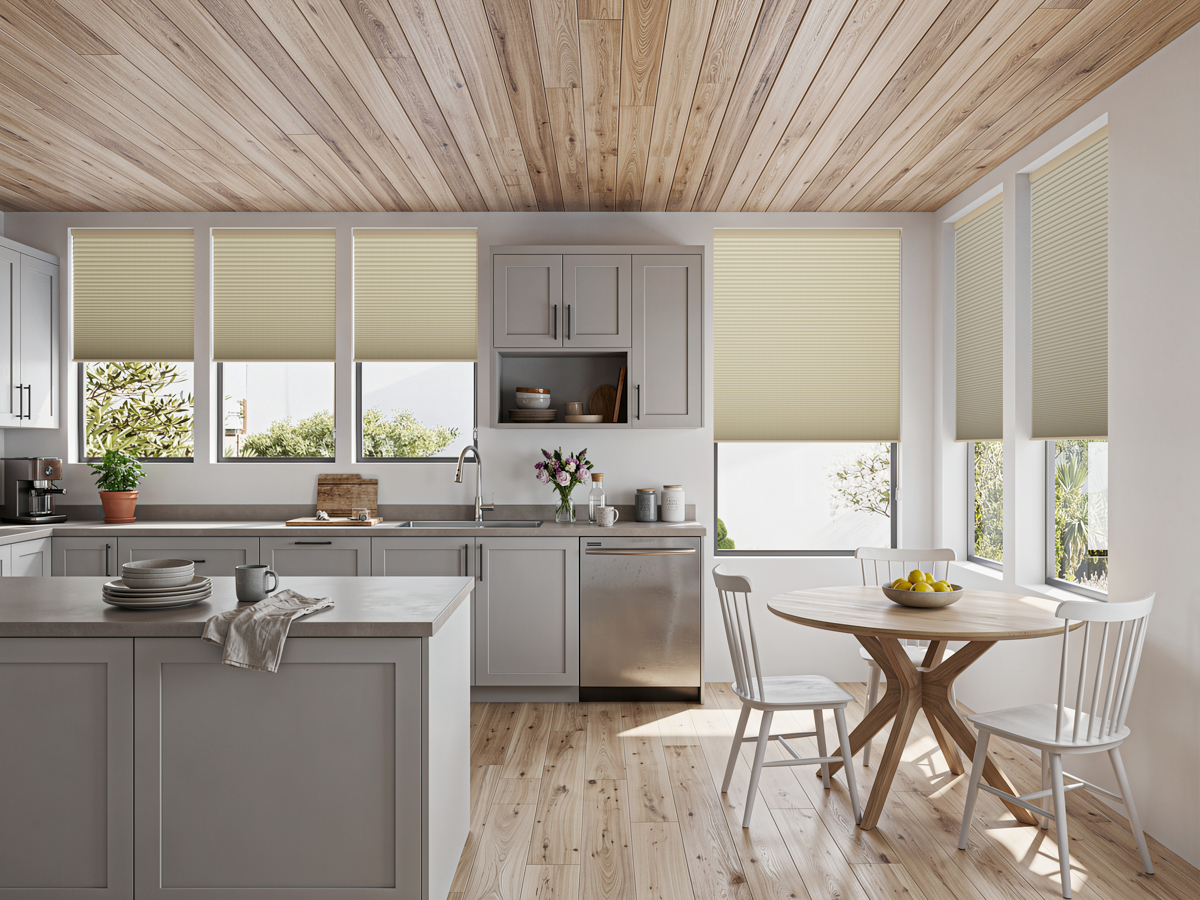
Off-white honeycomb blinds are a good fit for rooms with a gentle, minimalist style.
This tone is easy to pair with:
- White walls.
- Beige sofas.
- Light-coloured timber furnishings.
- Timber flooring.
- Japandi interiors.
- Scandinavian style.
The advantage of off-white is that it creates a soft feel without being as cold as pure white.
This is one of the best-suited options for small or medium-sized living rooms and bedrooms.
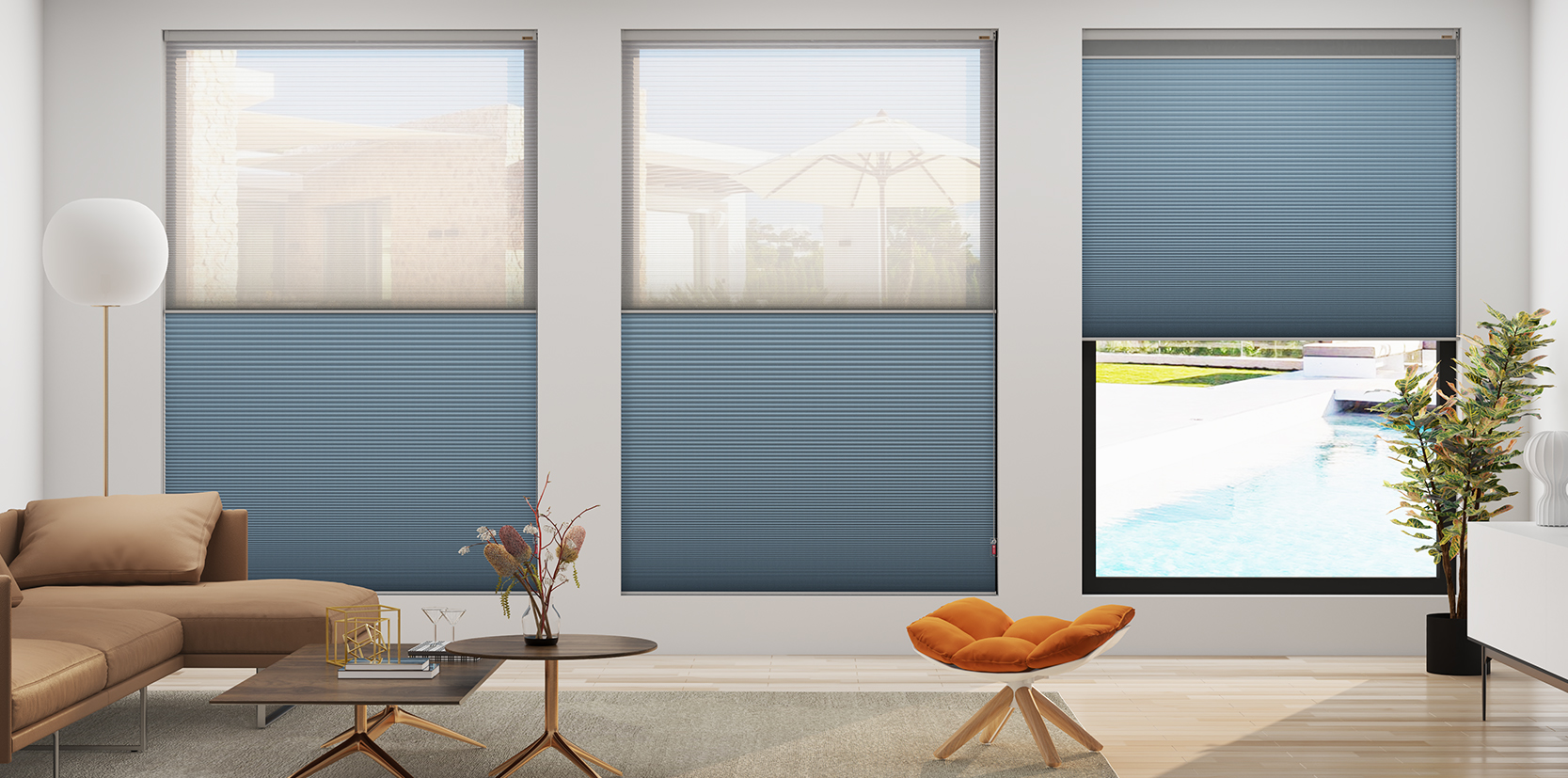
Design 2: Elegant beige honeycomb blinds
If you want a space to feel warmer and more premium, beige honeycomb blinds are well worth considering.
Beige is a neutral tone, so it is easy to pair with many interior styles.
In particular, beige pairs beautifully with:
- Brown sofas.
- Natural timber.
- Marble.
- White walls.
- Cream walls.
- Champagne-toned furnishings.
For premium apartments or modern living rooms, beige honeycomb blinds make the window feel like a natural part of the interior rather than a separate sun-blocking product.
Design 3: Taupe-grey honeycomb blinds - modern and characterful
Taupe-grey suits modern spaces that use white, black, grey or timber tones.
Grey honeycomb blinds have the advantage of feeling less plain and pairing easily with black or grey aluminium window frames.
This is a good fit for:
- Modern living rooms.
- Apartments.
- Studies.
- Modern-style bedrooms.
- Townhouses with large glazed windows.
Design 4: Blackout honeycomb blinds for the bedroom
If your main goal is blocking light, blackout honeycomb blinds are one of the options worth attention.
A blind's light-blocking ability depends on its build, material and installation. Even with blackout blinds, light can still leak through small gaps at the sides if the blind is fitted inside the window recess. So the installation method also plays an important role in real-world light-blocking performance.
Blackout blinds are especially well suited to:
- Bedrooms.
- Children's rooms.
- Rest rooms.
- Home cinemas.
- Bedrooms that need to limit daytime light.
If a bedroom has a west-facing window, favour a solution with good light blocking and heat control.
Design 5: Double-cell honeycomb blinds - better insulation
Double-cell honeycomb blinds are built with more cells, adding an extra layer of air inside.
Double-cell lines are usually chosen when homeowners prioritise higher insulation or when the window regularly experiences outdoor temperature swings.
This type of blind suits:
- Large glazed windows.
- West-facing windows.
- Bedrooms.
- Townhouses with a lot of glazing.
- Modern villas.
In exchange, the multi-layer build typically has a greater thickness and stack height when raised compared with single-cell blinds.
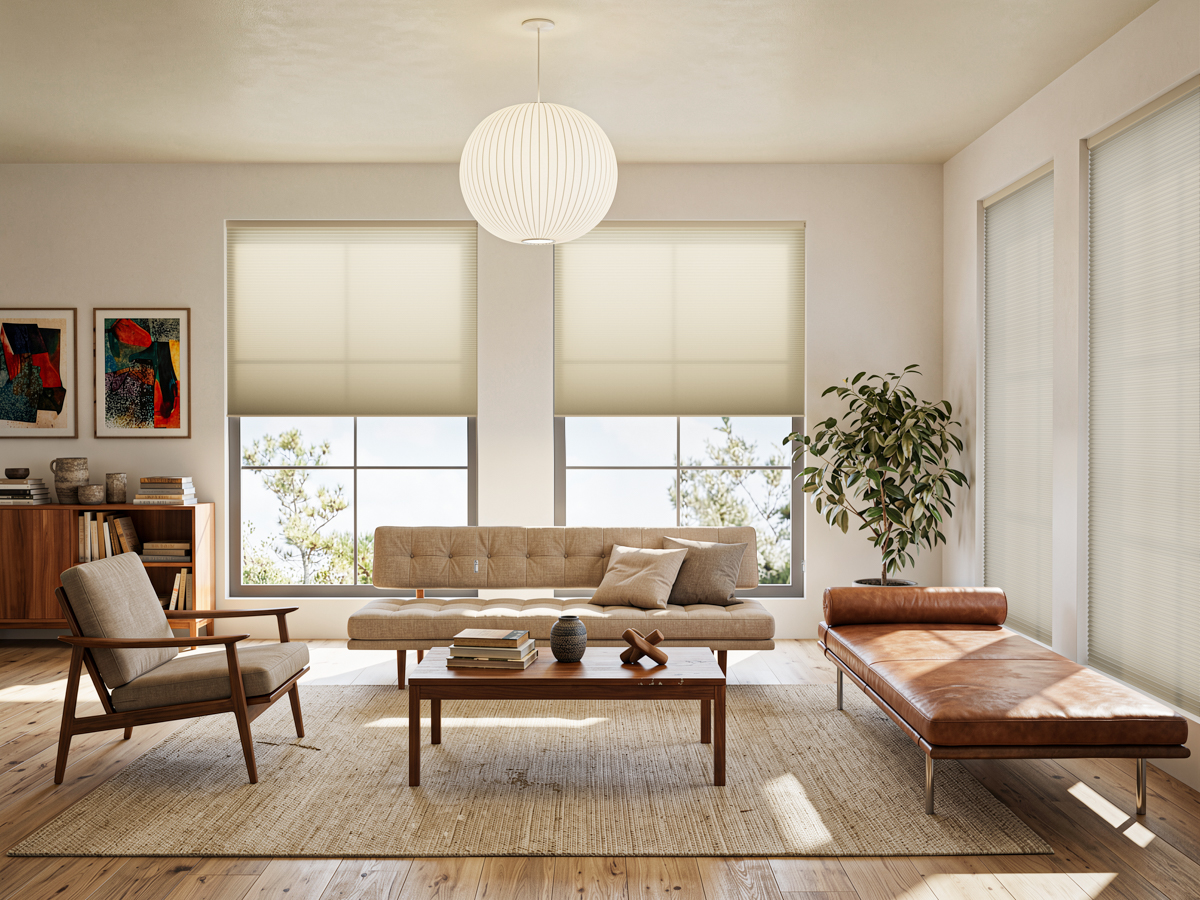
4. What Makes Top Down - Bottom Up Honeycomb Blinds Special?
This is one of the styles well worth considering if you want to let in light while still keeping your privacy.
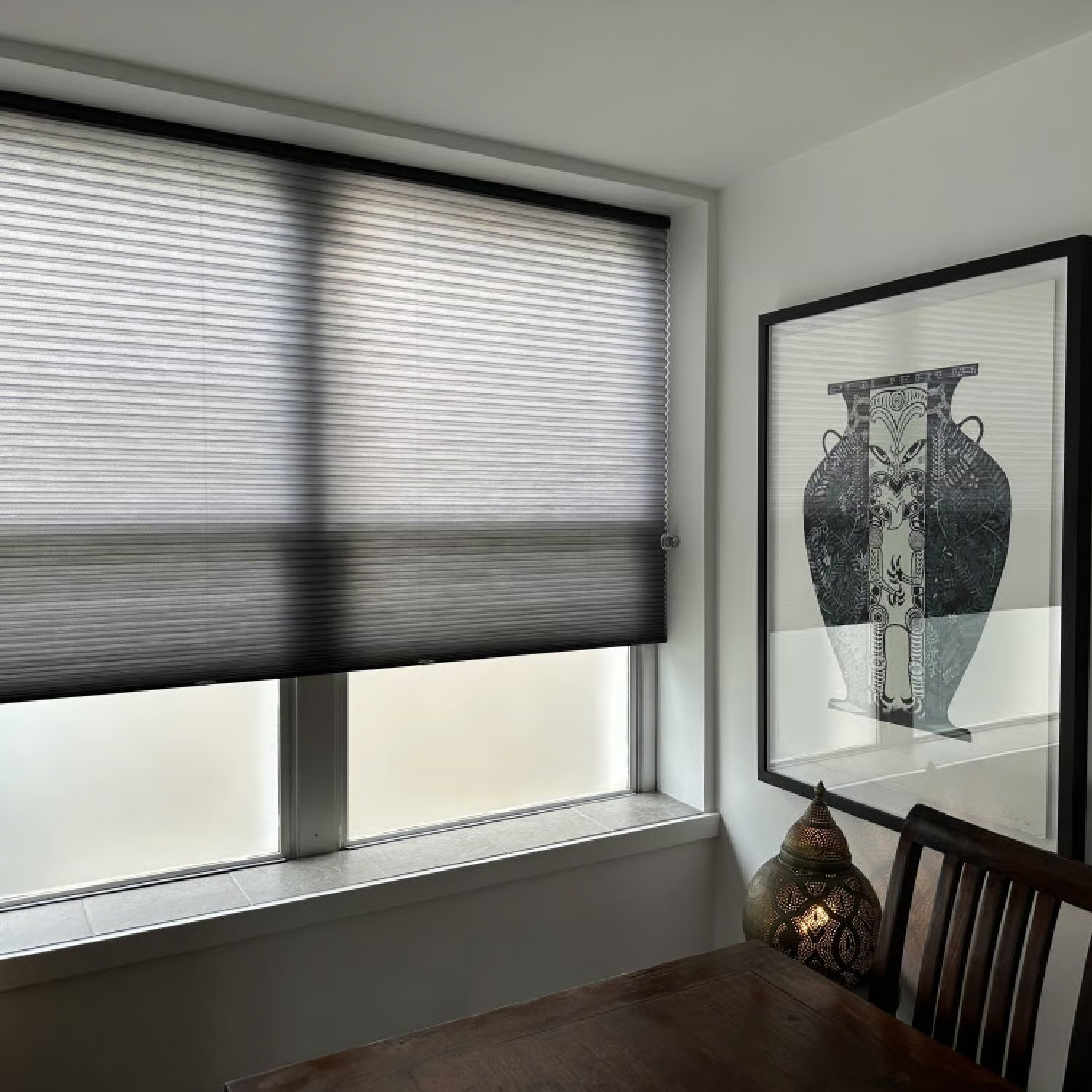
Instead of only being drawn from the top down, the Top Down - Bottom Up system lets you adjust the blind's position from both the top and the bottom.
For example, for a bedroom window facing the street:
- The bottom section can stay closed to keep privacy.
- The top section can be opened to let in natural light.
This way, the room still gets light while limiting a direct view from outside.
This is a solution especially well suited to townhouses, apartments and lower-floor bedrooms.
5. Cordless Honeycomb Blinds - Neat and Safe
Cordless blinds are a style that does not use a long pull cord on the outside.
Instead of a cord, users can operate the blind directly via a control bar or a built-in lift mechanism.
This design gives a neat feel and suits a minimalist interior.
For families with young children, reducing dangling cords is also a factor worth considering for safety. Cordless and motorised options are now fairly widely available on cellular shades.
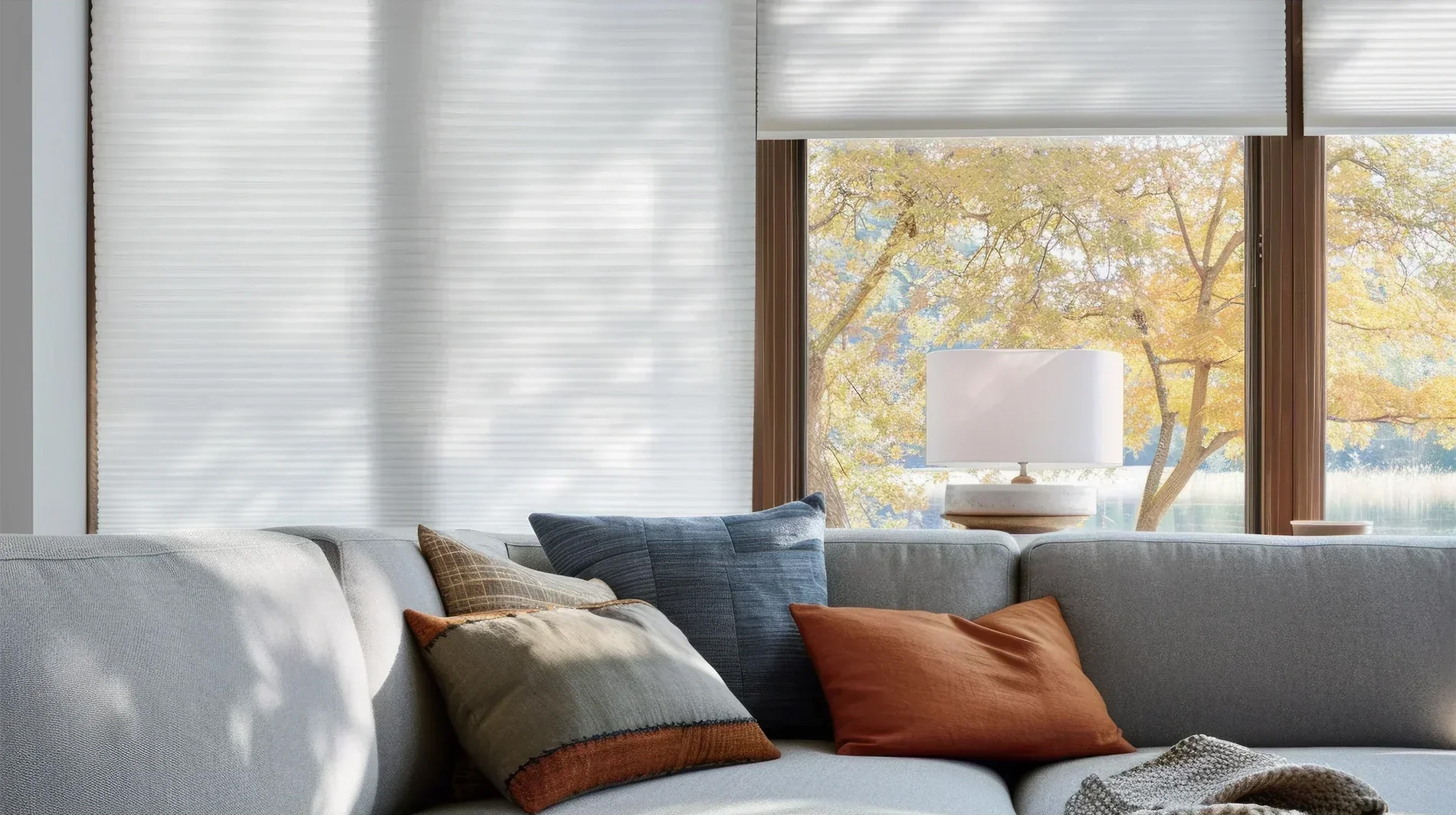
6. Motorised Honeycomb Blinds - A Trend for Smart Homes
In modern apartments and villas, motorised blinds are drawing more and more interest.
Honeycomb blinds can be fitted with a motor system to be controlled by:
- Remote.
- Switch.
- App.
- Smart Home system.
Especially for windows in a high position or several windows in the same space, motorised blinds make opening and closing more convenient.
You can also set a schedule to close the blinds when the sun is strong or open them in the morning.
7. Should You Choose Light-Blocking or Light-Filtering Honeycomb Blinds?
This is a very important question when choosing a product.
Light-filtering honeycomb blinds
Well suited to:
- Living rooms.
- Dining rooms.
- Studies.
- Reading rooms.
Their advantage is that natural light still enters the room but becomes softer.
Light-blocking honeycomb blinds
Well suited to:
- Bedrooms.
- Children's rooms.
- Entertainment rooms.
- Home cinemas.
If you need to sleep during the day or reduce strong light, favour a blind with a high light-blocking level.
Blackout honeycomb blinds
Well suited to spaces that need a very high level of light control.
However, note that a "blackout" material does not guarantee the room will be completely dark if light can still leak through gaps at the sides, top or bottom. The installation style and how well it covers the window frame matter a great deal.
8. How to Choose Honeycomb Blinds That Suit Each Space
Living room
Favour:
- Light-filtering.
- Off-white.
- Beige.
- Light grey.
- A minimalist design.
The goal is to control light while still keeping the room feeling airy.
Bedroom
Favour:
- Blackout.
- Room-darkening.
- Double-cell.
- Neutral colours.
- Top Down - Bottom Up if privacy is needed.
Study
You can use light-filtering to cut glare while still keeping natural light.
West-facing windows
Favour a configuration with better light blocking and heat reduction.
Large glazed windows
Survey the actual dimensions before choosing a blind system. For large windows, pay particular attention to weight, the operating mechanism and how the blind is divided into panels.
9. Do Honeycomb Blinds Really Insulate Well?
The answer is yes, they can support insulation, but the real-world effect depends on many factors.
The honeycomb structure creates air cells that help reduce heat transfer through the window. Studies and technical documentation on cellular shades also note that this type of window covering can improve energy efficiency.
However, honeycomb blinds should not be understood as a complete replacement for insulated glass, window film or architectural heat-blocking solutions.
The real-world effect also depends on:
- The window's direction.
- The area of glazing.
- The type of glass.
- The blind's colour and material.
- The number of cell layers.
- How well the blind system seals.
- The installation style.
- Climate conditions.
So when advising customers, it is best to assess the window and space as a whole rather than relying on the name "insulating blinds" alone.
10. Are Honeycomb Blinds a Good Fit for Townhouses in Hai Phong?
For townhouses and apartments in Hai Phong, honeycomb blinds can be a good fit for areas with a lot of glazing that call for a modern interior style.
This applies especially to windows that are:
- West-facing.
- Southwest-facing.
- Glazed balconies.
- Bedrooms with strong sun.
- Studies with a lot of light.
You can consider a light-blocking or blackout line depending on your needs.
For spaces that need natural light, a light-filtering line will be a better fit.
11. Criteria to Check Before Buying Honeycomb Blinds
Do not choose blinds based on colour alone.
Before ordering, check at least the following factors:
1. Window size
Measure the width and height accurately.
2. Installation style
Decide whether to fit the blind inside the recess or over the frame.
3. Light-blocking level
A living room and a bedroom have quite different needs.
4. Single-cell or Double-cell
If you prioritise a light, compact profile, single-cell may suit you.
If you prioritise higher insulation, consider double-cell.
5. Operating mechanism
You can choose:
- A pull cord.
- Cordless.
- Top Down - Bottom Up.
- A motor.
6. Colour
Get a physical fabric sample and hold it against your wall, flooring and sofa before deciding.
12. Honeycomb Blinds - A Choice for Modern Living Spaces
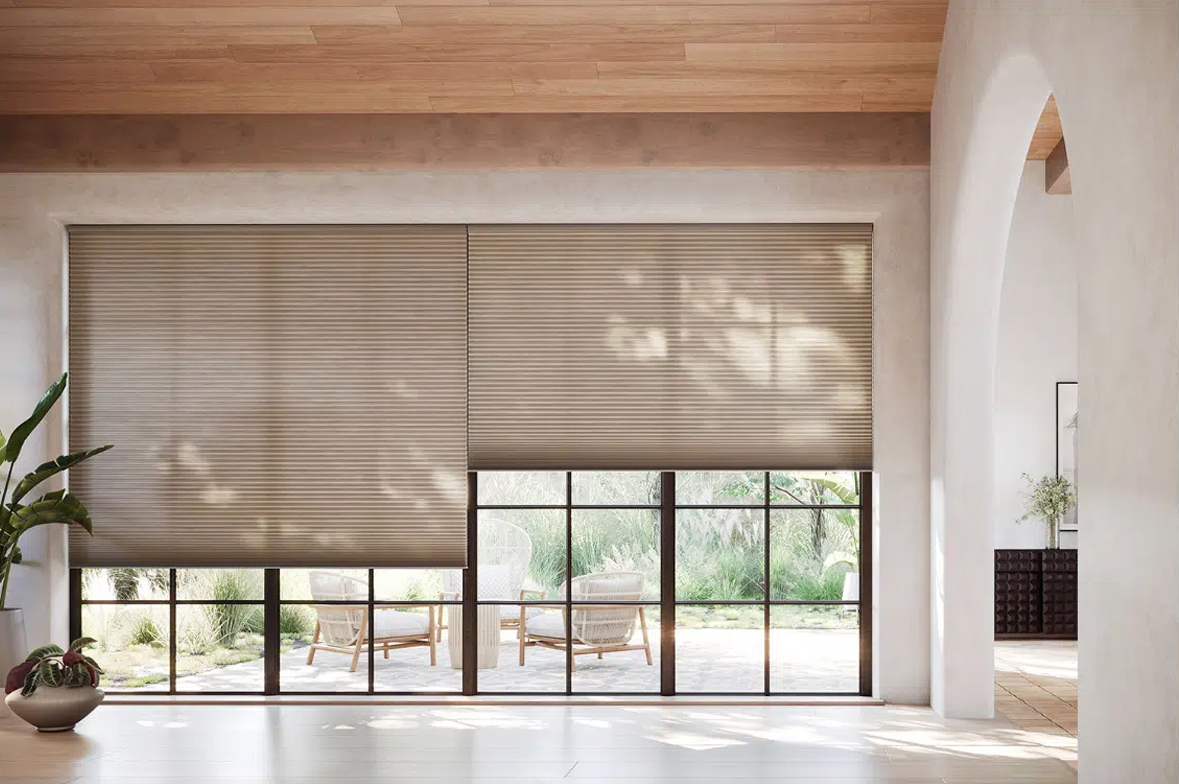
The appeal of honeycomb blinds lies in how they combine several qualities in one product: a minimalist design, light control, privacy and support for limiting heat transfer.
In particular, the honeycomb structure gives the product a technical feature that sets it apart from ordinary flat blinds. The air cells inside play a role in the blind system's insulation.
In 2026, the most sought-after designs can be grouped as follows:
- Beige honeycomb blinds.
- Off-white honeycomb blinds.
- Taupe-grey honeycomb blinds.
- Blackout honeycomb blinds.
- Double-cell honeycomb blinds.
- Top Down - Bottom Up honeycomb blinds.
- Cordless honeycomb blinds.
- Motorised honeycomb blinds.
Each type has its own advantages and suits a different need.
13. ZENDECOR - Advice on Honeycomb Blinds for Every Space
A beautiful set of blinds does not have to be the most expensive one. What matters more is that the product suits the window, light, interior and actual needs.
ZENDECOR focuses on advising on honeycomb blinds based on each specific space, from the living room and bedroom to the study and areas with large glazed windows.
Customers can choose from the following blind lines:
- Light-blocking honeycomb blinds.
- Blackout honeycomb blinds.
- Insulating honeycomb blinds.
- Light-filtering honeycomb blinds.
- Top Down - Bottom Up honeycomb blinds.
- Motorised honeycomb blinds.
Surveying the size, sun direction and interior style before choosing will help the blinds perform better in both looks and function.
Honeycomb blinds are becoming one of the notable choices for modern interiors in 2026.
If you like a minimalist, neat look and want better light control for your windows, this is a solution well worth considering.
In particular, for bedrooms or west-facing windows, you can favour light-blocking, blackout or double-cell honeycomb blinds. For living rooms and studies, light-filtering blinds will be a better fit if you want to make the most of natural light.
ZENDECOR can advise based on your window size, sun direction, interior colours and actual needs to help you choose the most attractive and suitable honeycomb blind design for each space.
>>Read more: How to Choose Fabric Curtains That Suit Your Living Space | ZENDECOR
Related articles
View all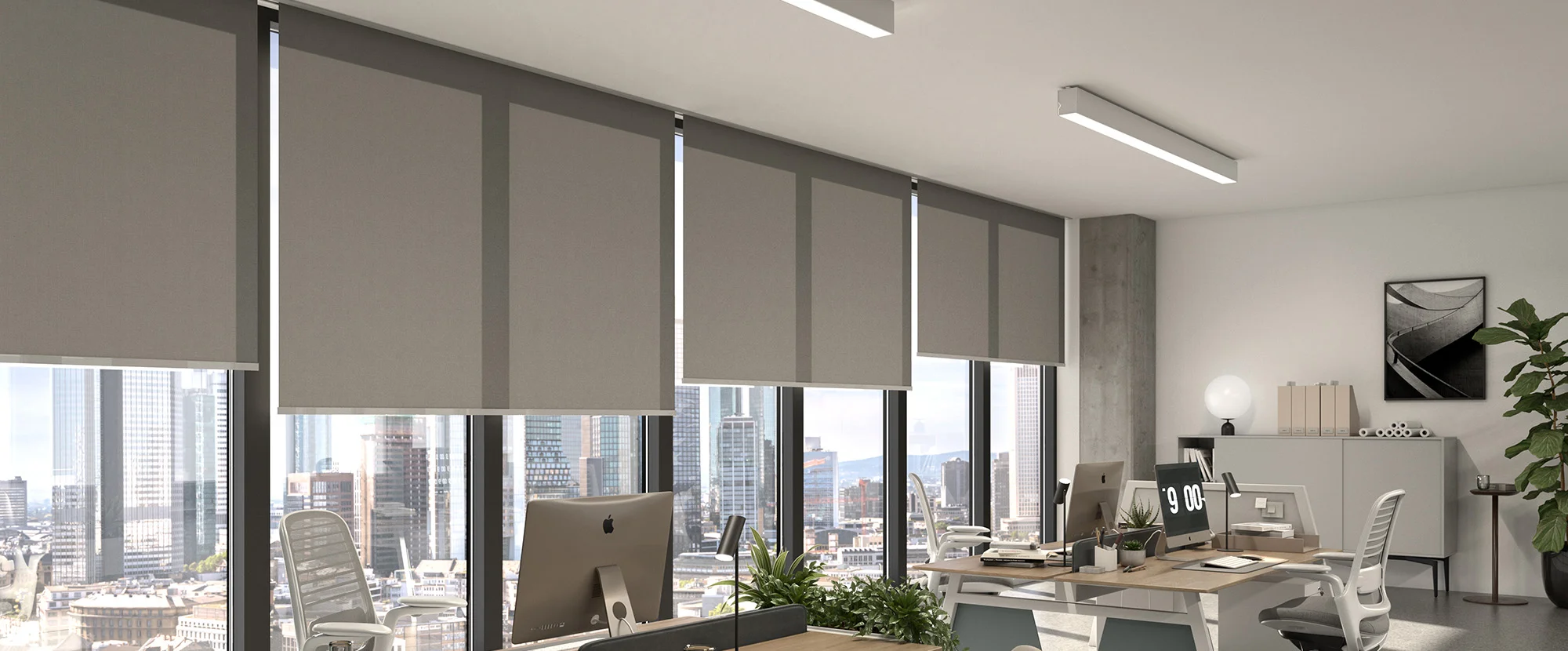
Premium Roller Blinds: Neat, Handsome Sun Control for Homes and Offices
ZENDECOR premium roller blinds block sun, tune daylight and bring a neat, handsome look to homes and offices. Explore modern sun-blocking and light-filtering roller blind designs.
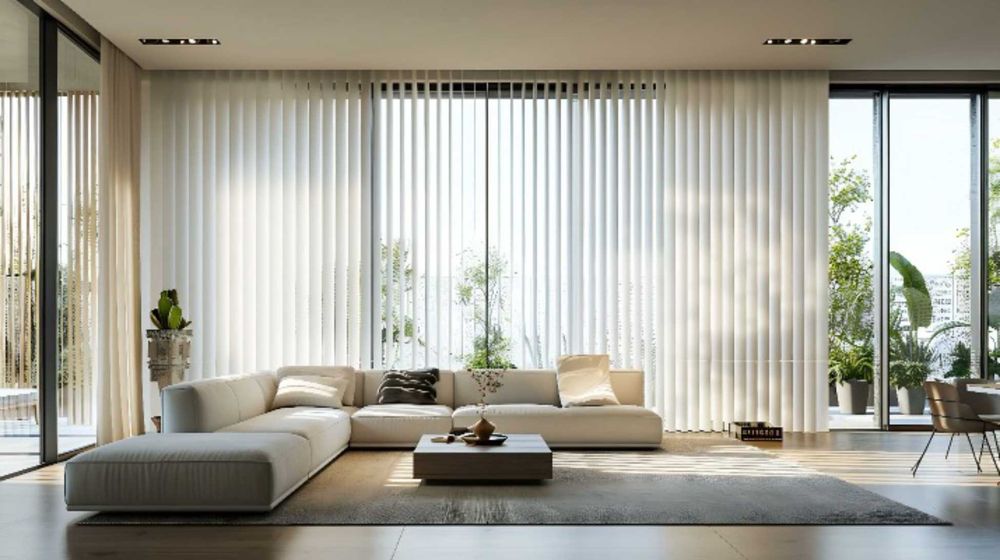
Office Vertical Blinds: The Classic Sun Control Solution for Modern Spaces
In a modern office, natural light brings openness but can also cause glare and heat that hurt productivity if it is not properly controlled. Office vertical blinds are one of the classic answers, with an elegant design, flexible light control and a good fit for windows and large glazed walls.
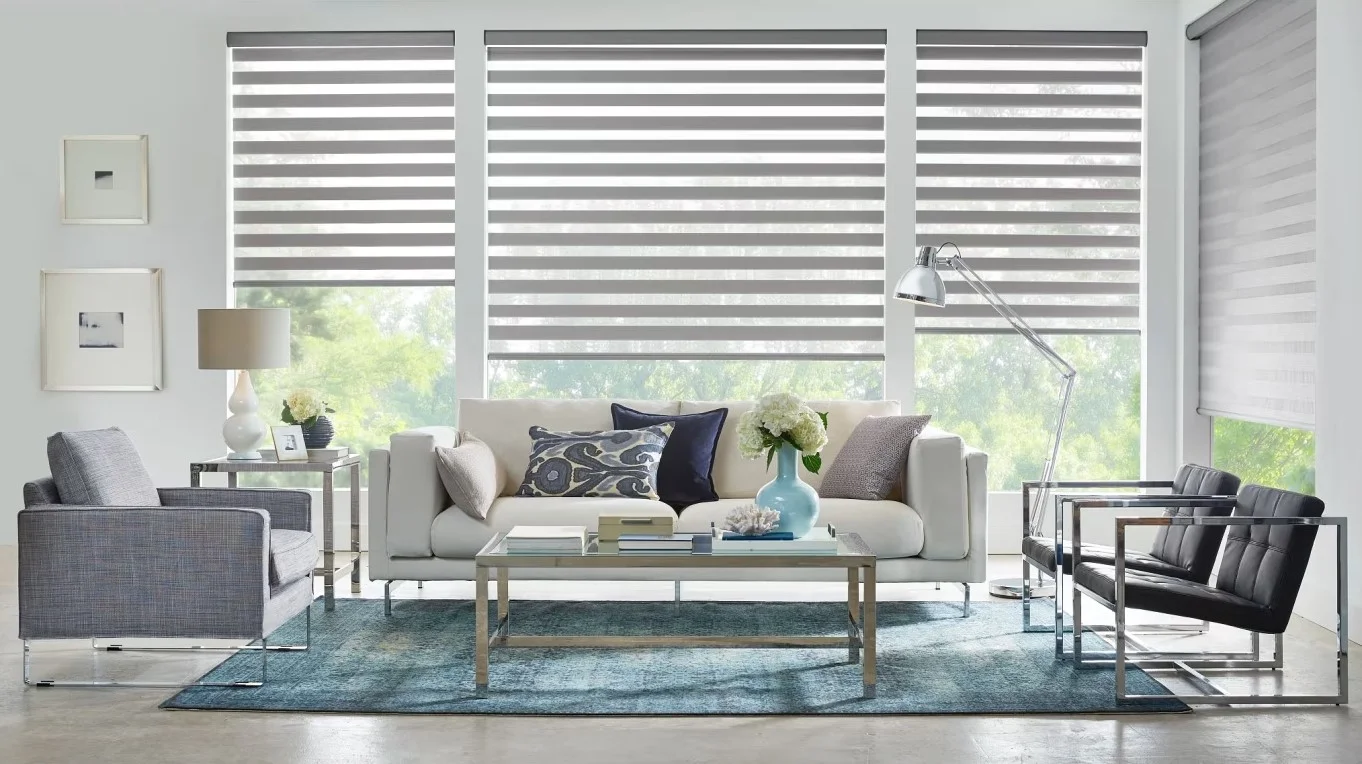
Premium Combi Blinds: Modern Design, Flexible Light Control
In modern interior design, a window covering is no longer just about blocking sun and creating privacy. A good set of blinds has to deliver several things at once: looks, function, light control and harmony with the interior as a whole.
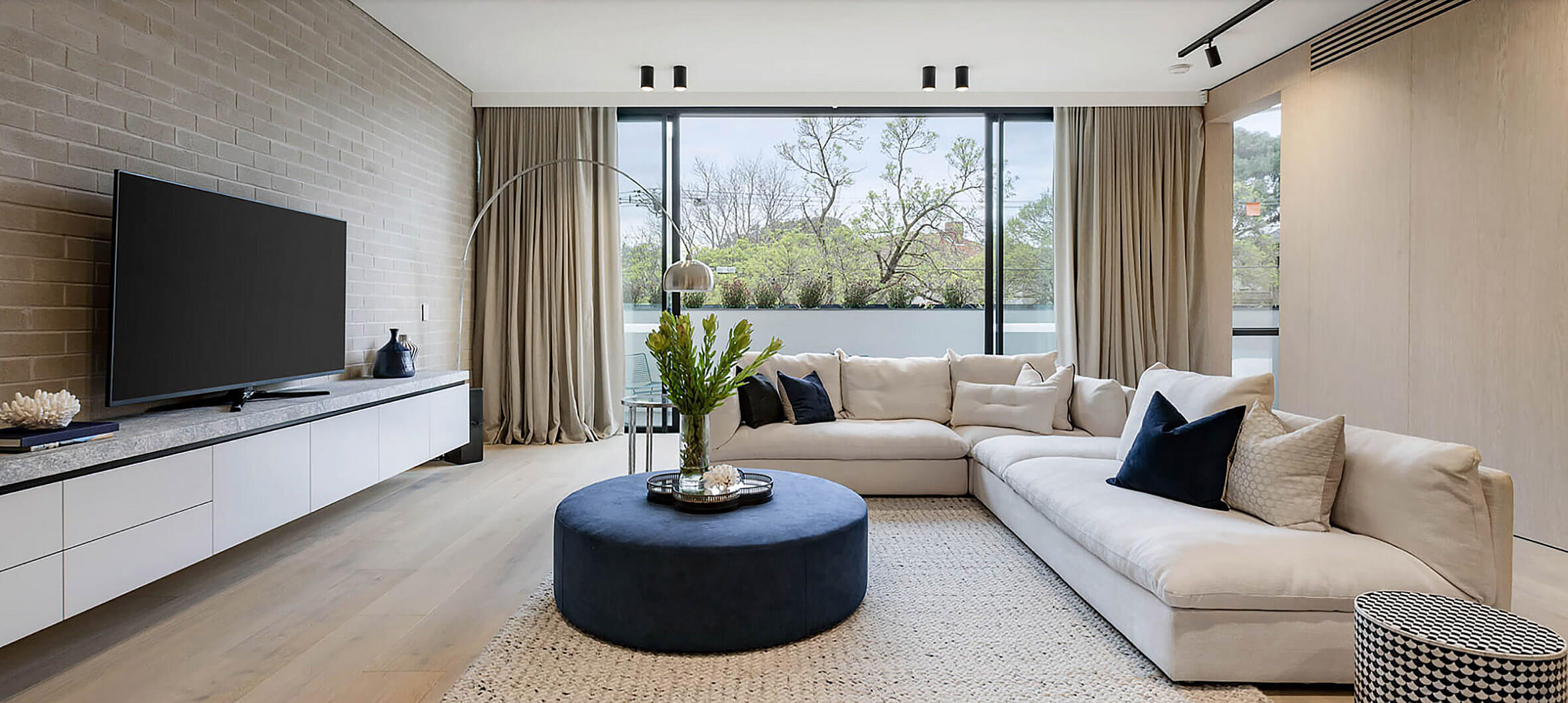
How to Choose Fabric Curtains That Suit Your Living Space | ZENDECOR
Curtains do more than block sun, tune daylight or create privacy. A well-chosen set of fabric curtains completes an interior style, gives a room its focal point and brings a warm, restful feeling to the space.