
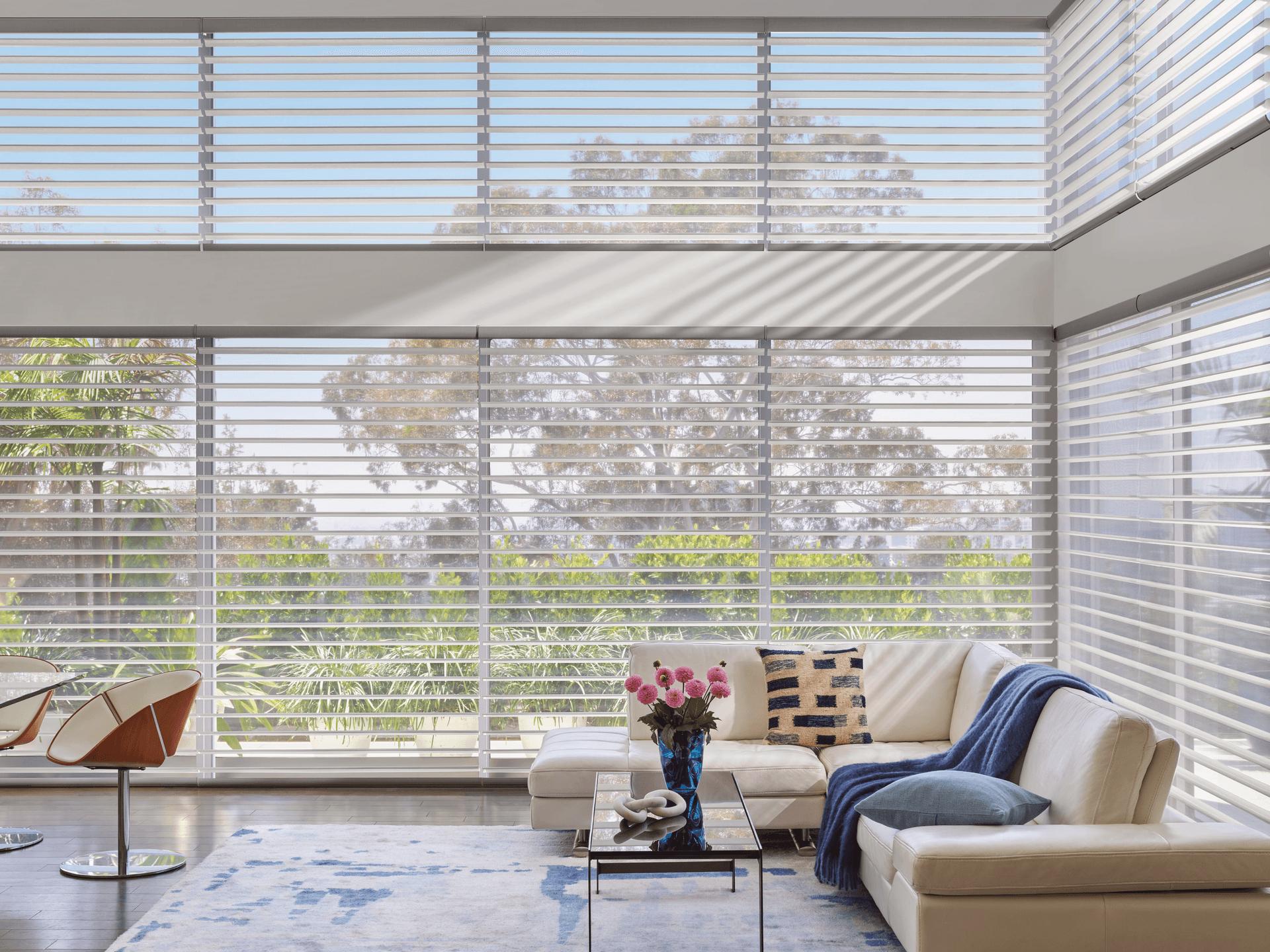
Horizontal Blinds by ZenDecor – The Art of Light and Modern Living
Beyond providing shade and controlling natural light, ZenDecor horizontal blinds serve as an elegant design feature that enhances the beauty of modern interior architecture. Featuring gracefully aligned horizontal slats, clean lines, and a flexible tilting mechanism, these blinds offer effortless control over natural light while creating a comfortable and private living environment.
In the art of creating beautiful living spaces, elegance does not always come from elaborate details. Sometimes, it is the delicate balance between light, materials, and architectural lines that gives an interior its distinctive character. A beautiful window does more than offer an outside view; it welcomes natural light, bringing warmth, emotion, and vitality into the entire space.
Among the many window treatment solutions available today, horizontal blinds stand out for their minimalist design, balanced parallel slats, and flexible light control. Beyond providing shade and privacy, they also serve as a decorative element that enhances the overall aesthetic of modern interiors.
With a commitment to delivering aesthetically refined window treatment solutions, ZenDecor introduces horizontal blinds as an ideal choice for spaces that embrace simplicity, functionality, and timeless elegance.
Let's explore the distinctive features of horizontal blinds and discover why they have become an increasingly popular choice in contemporary interior design.
1. What Are Horizontal Blinds? Beauty in Parallel Lines
Horizontal blinds, also known as Venetian blinds, are window coverings made up of multiple slats arranged in parallel horizontal lines. These slats are connected by a supporting cord system and operating mechanisms, allowing users to raise, lower, or tilt them to control incoming light.
Their simple construction is precisely what gives horizontal blinds their distinctive appeal. By adjusting the angle of the slats, users can create different lighting effects, from soft and gentle illumination to brighter, more open spaces, while maintaining the desired level of privacy.
This versatility makes horizontal blinds suitable for a wide range of architectural styles, particularly interiors that embrace minimalism and modern design.
2. The Art of Light Control – A Defining Feature of Horizontal Blinds
Natural light is one of the most important elements in interior design. A room with balanced lighting feels more comfortable while allowing the colors, textures, and materials of furniture to stand out.
Horizontal blinds provide flexible light control through their adjustable tilting mechanism.
Welcoming Natural Light
When the slats are tilted at the right angle, natural light can gently filter through the gaps, brightening the room without requiring the blinds to be fully raised.
Reducing Direct Sunlight
During periods of intense sunlight, users can adjust the slats to reduce direct exposure to sunlight in living areas, workspaces, and around electronic devices.
Creating Privacy
When greater privacy is needed, the slats can be tilted into a closed position to limit visibility from outside. This makes horizontal blinds particularly suitable for townhouses, apartments, and office environments.
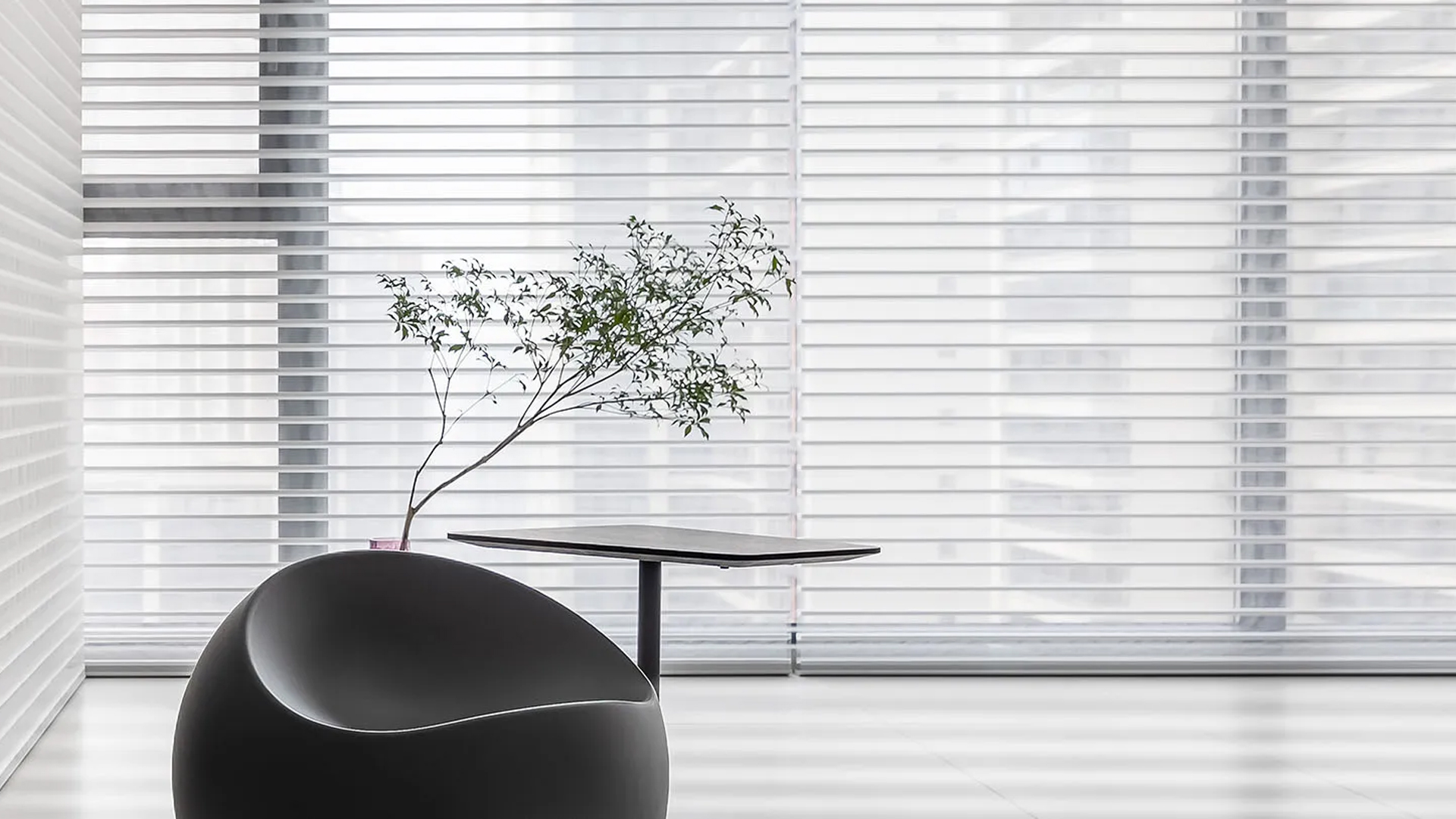
One of the most distinctive features of horizontal blinds is the beautiful interplay of light and shadow created as sunlight passes through the slats. More than a visual effect, these subtle patterns help establish a unique atmosphere and character in every room.
3. Popular Types of Horizontal Blinds in Interior Design
Depending on the material, color, and overall design style, horizontal blinds are available in a variety of options to suit different interior spaces and functional requirements.
Aluminum Horizontal Blinds
Aluminum horizontal blinds feature a lightweight design with slats made from coated aluminum.
Their key advantages include:
-
Slim, modern, and elegant appearance.
-
Easy adjustment of natural light.
-
A wide range of colors to choose from.
-
Relatively easy-to-clean surfaces.
-
Suitable for office windows, workspaces, and apartments.
They are an excellent choice for interiors that prioritize simplicity, practicality, and contemporary aesthetics.
Wooden Horizontal Blinds
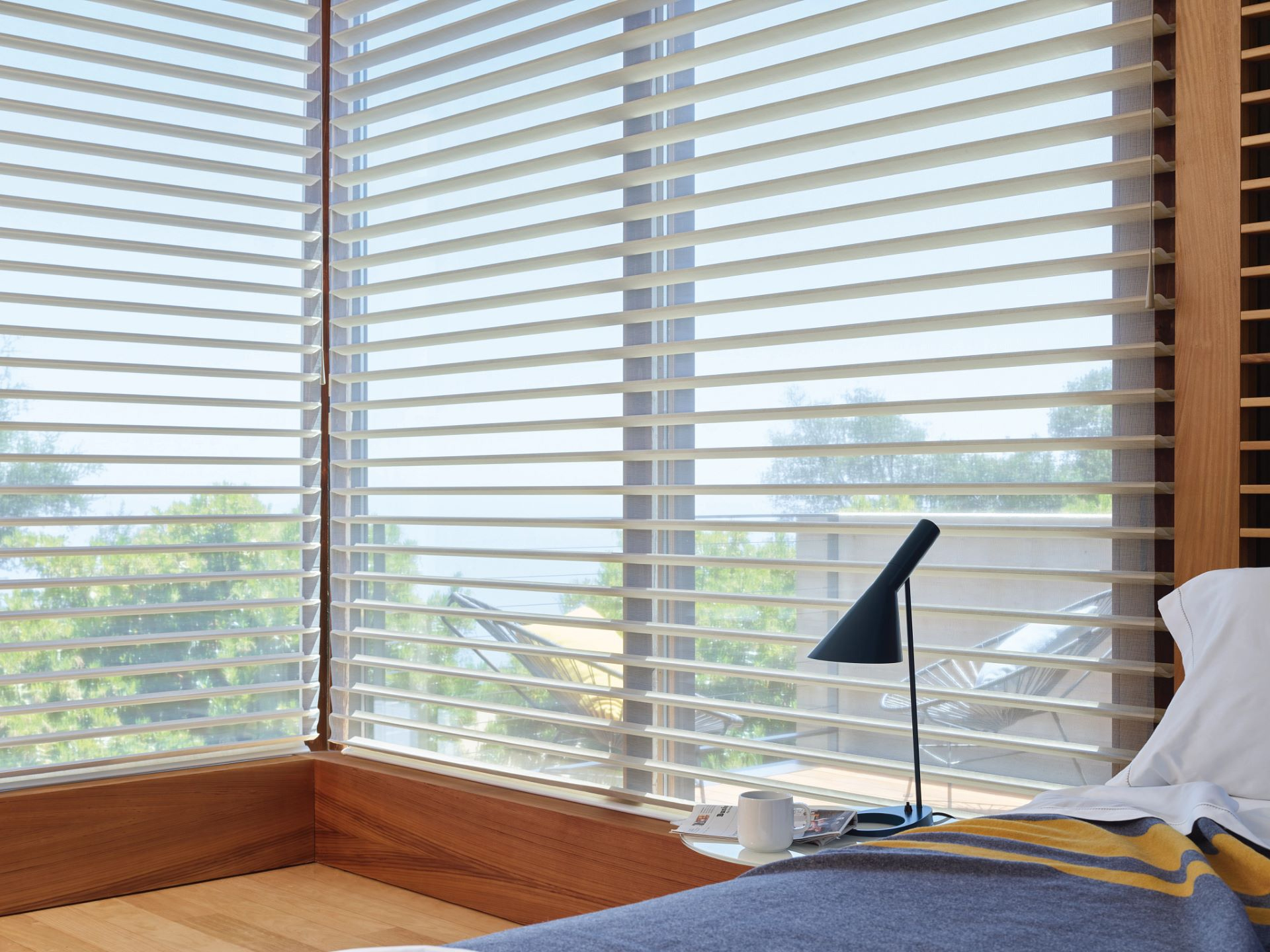
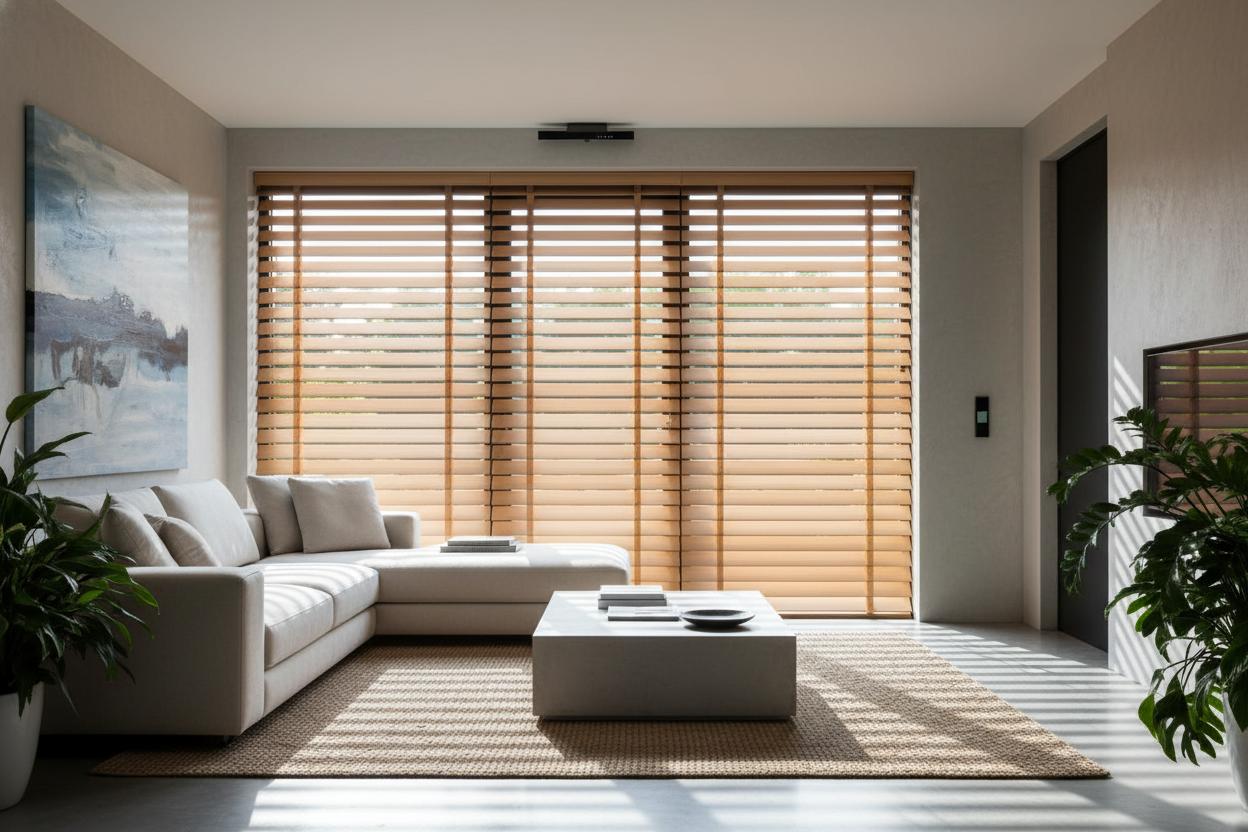
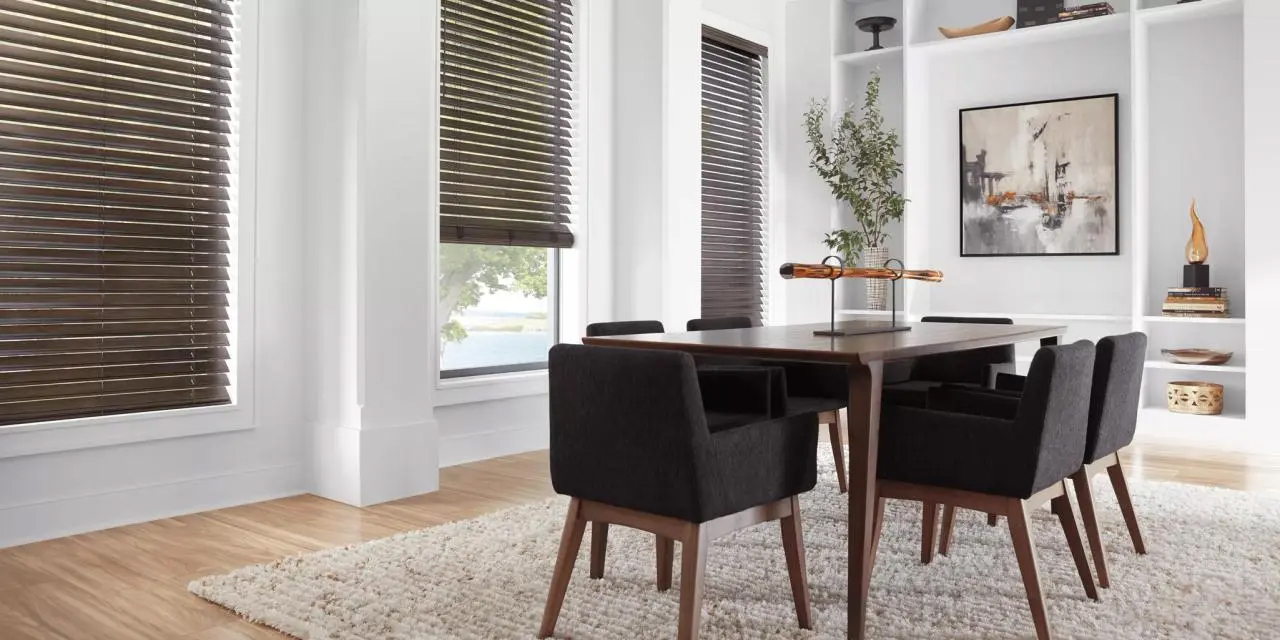
Wooden horizontal blinds bring natural beauty into interior spaces through their distinctive wood grains and rich, warm tones.
The wooden slats create a welcoming atmosphere, adding warmth, sophistication, and a closer connection to nature. They are commonly used in living rooms, bedrooms, home offices, and premium interior projects.
Faux Wood Horizontal Blinds
Faux wood blinds are an attractive alternative for those who appreciate the appearance of natural wood while also considering cost and material characteristics.
Depending on the product range, faux wood materials may offer better moisture resistance and easier maintenance than natural wood. However, it is important to check the actual product specifications before making a selection.
4. Why Are Horizontal Blinds Perfect for Modern Living Spaces?
Modern interior design emphasizes simplicity, functionality, and visual harmony. Horizontal blinds complement these principles through their streamlined structure and adaptability to different window styles.
Minimalist Yet Distinctive
The parallel arrangement of the slats creates a sense of order and visual balance, turning windows into subtle yet elegant focal points within a room.
Space-Efficient Design
Horizontal blinds feature a compact structure and do not require the generous fabric folds associated with some traditional curtains. This makes them a practical option for smaller apartments and windows with limited surrounding space.
Flexible Light Control
The adjustable slat mechanism allows users to control the direction and intensity of incoming light according to their preferences and daily activities.
Easy to Coordinate with Interior Styles
From minimalist and contemporary interiors to Scandinavian and Indochine-inspired designs, horizontal blinds can be customized in different materials and colors to complement the overall aesthetic of a space.
5. Applications of Horizontal Blinds in Different Architectural Spaces
Horizontal Blinds for Living Rooms
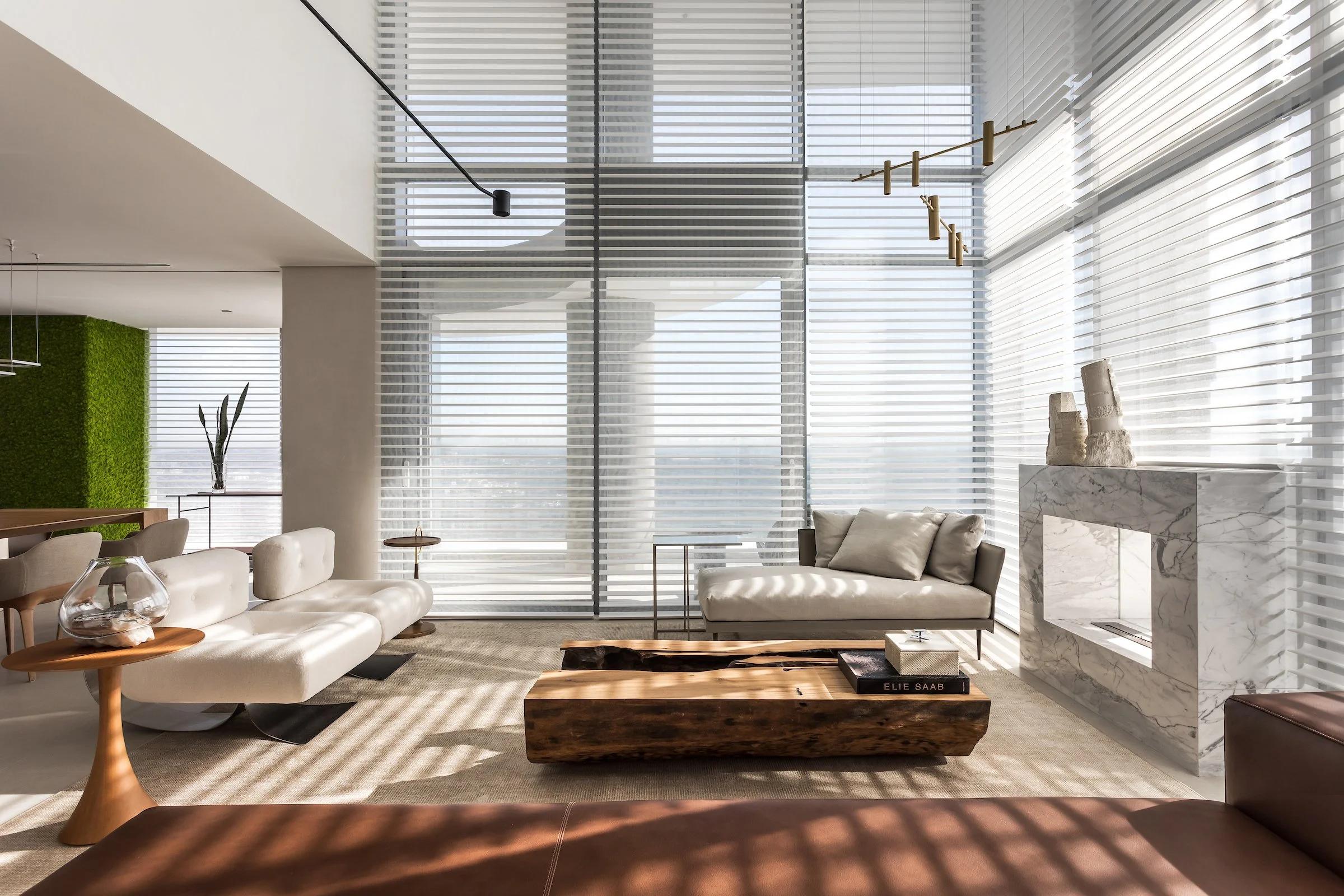
The living room reflects the homeowner's personality and interior design preferences. Wooden horizontal blinds in natural tones can introduce warmth and create an inviting focal point, while white or grey aluminum blinds complement modern interiors with a clean and sophisticated appearance.
By balancing natural light and privacy, horizontal blinds help create a comfortable and welcoming atmosphere for everyday living and entertaining guests.
Horizontal Blinds for Bedrooms
Bedrooms require a thoughtful balance of privacy, comfort, and relaxation. Horizontal blinds allow users to adjust natural light in the morning while limiting outside visibility when greater privacy is desired.
For bedrooms that require a higher level of light blockage, it is important to carefully consider the material, slat overlap, and installation details before choosing a suitable product.
Horizontal Blinds for Offices
In office environments, horizontal blinds contribute to a neat, professional, and organized workspace. Their adjustable slats help reduce direct sunlight and glare on computer screens, making the working environment more comfortable throughout the day.
Their streamlined appearance also complements contemporary office furniture and architectural designs.
Horizontal Blinds for Hotels and Showrooms
The minimalist lines of horizontal blinds make them easy to incorporate into various commercial interior styles. Whether used in hotel rooms, reception areas, meeting spaces, or showrooms, they help create a polished, modern, and cohesive appearance.
Their combination of visual simplicity and practical functionality makes them a versatile window treatment solution for commercial projects.
6. Choosing the Right Colors for Horizontal Blinds – Enhancing Interior Beauty
The color of window blinds has a significant influence on the overall atmosphere and visual harmony of a room. Choosing the right shade can enhance the architectural character of an interior while complementing its existing decorative elements.
Here are some popular color options worth considering:
-
White: Creates a light, airy, and elegant atmosphere while making spaces feel brighter and more open.
-
Cream: Adds softness, warmth, and understated sophistication to an interior.
-
Natural Wood: Complements wooden furniture and interiors inspired by nature.
-
Walnut Brown: Brings depth, richness, and a luxurious touch to living spaces.
-
Grey: Works beautifully with modern, minimalist, and contemporary architectural styles.
When selecting a color, consider the wall finishes, window frames, flooring, and furniture to create a harmonious visual connection throughout the space.
The right combination of colors and materials allows horizontal blinds to become more than a functional window covering – they become an essential detail in a beautifully coordinated interior design.
7. Horizontal Blinds vs. Roller Blinds – Which Is the Right Choice?
Both horizontal blinds and roller blinds are popular window treatment solutions in modern interior design. However, each offers distinct features, advantages, and visual characteristics.
| Feature | Horizontal Blinds | Roller Blinds |
|---|---|---|
| Construction | Multiple parallel slats | A single continuous fabric panel |
| Light Control | Adjustable slat angles | Raised or lowered fabric |
| Design | Distinctive horizontal lines | Smooth, minimalist surface |
| Maintenance | Individual slats can be cleaned | Cleaning depends on fabric type |
| Style | Modern and sophisticated | Minimalist and streamlined |
If you appreciate flexible light control and want to introduce distinctive architectural lines to your windows, horizontal blinds are an excellent option to consider.
On the other hand, if you prefer a smooth, uncluttered appearance with a choice of light-filtering or blackout fabrics, roller blinds may be more suitable.
Ultimately, the right choice depends on your interior design preferences, functional requirements, and the characteristics of your windows.
8. How to Choose Quality Horizontal Blinds from ZenDecor
Choosing the right horizontal blinds involves more than simply selecting an attractive design. Several important factors should be considered to ensure the product meets your expectations in terms of appearance, functionality, and durability.
Choose the Right Material
Aluminum, natural wood, and faux wood blinds each have different characteristics. Consider the installation location, environmental conditions, and maintenance requirements before making your decision.
Measure Your Windows Accurately
Accurate measurements are essential for a proper fit. Carefully determine the width and height of your windows to ensure the blinds are correctly sized, operate smoothly, and maintain a balanced appearance.
Select a Complementary Color
Choose colors that harmonize with your interior design. Consider the wall finishes, flooring, furniture, and window frames to create a cohesive overall look.
Check the Operating Components
Pay attention to the quality of the lifting cords, tilt mechanism, headrail, and connecting components. These parts should operate smoothly and reliably during everyday use.
Choose a Trusted Supplier
Prioritize suppliers who offer actual product samples, professional consultation, clear product information, and transparent warranty policies. Professional guidance can help you select the most suitable blinds for your space.
9. How to Clean and Maintain Horizontal Blinds
Horizontal blinds feature multiple individual slats, making regular cleaning important for preserving their appearance and long-term functionality.
Here are some useful maintenance tips:
-
Use a soft cloth or suitable duster to remove dust from the slats.
-
Wipe each slat gently along its length to minimize the risk of bending or deformation.
-
Avoid harsh cleaning chemicals that may damage the surface finish.
-
Do not apply excessive force when operating the lifting cords or adjustment mechanism.
-
Inspect the operating components periodically to ensure they remain in good working condition.
-
For wooden blinds, avoid excessive moisture and always follow the manufacturer's recommended cleaning instructions.
Proper care and maintenance help keep horizontal blinds clean, attractive, and functional while reducing unnecessary wear and potential damage over time.
10. ZenDecor – Where Interior Beauty Begins with Refined Details
A beautiful space does not necessarily require complex designs. Sometimes, it is the simplicity of clean lines, the gentle movement of natural light, and the harmony between different materials that create lasting aesthetic value.
Horizontal blinds are a perfect example of this beauty. Their seemingly simple parallel slats offer flexible light control, enhance privacy, and complement the overall architectural style of any space.
At ZenDecor, every window treatment solution is designed not only to meet practical needs but also to reflect the unique design vision of each project.
Whether in a modern apartment, a luxurious villa, a professional office, or a commercial space, choosing the right horizontal blinds can transform every window into a refined design feature.
ZenDecor – Elegance in Every Line, Harmony in Every Moment of Light.
Contact ZenDecor today for expert advice on choosing horizontal blinds that perfectly match your architectural style and practical needs.
>> Read more: Awaken the Beauty of Your Space with Elegant Vertical Blinds
Related articles
View all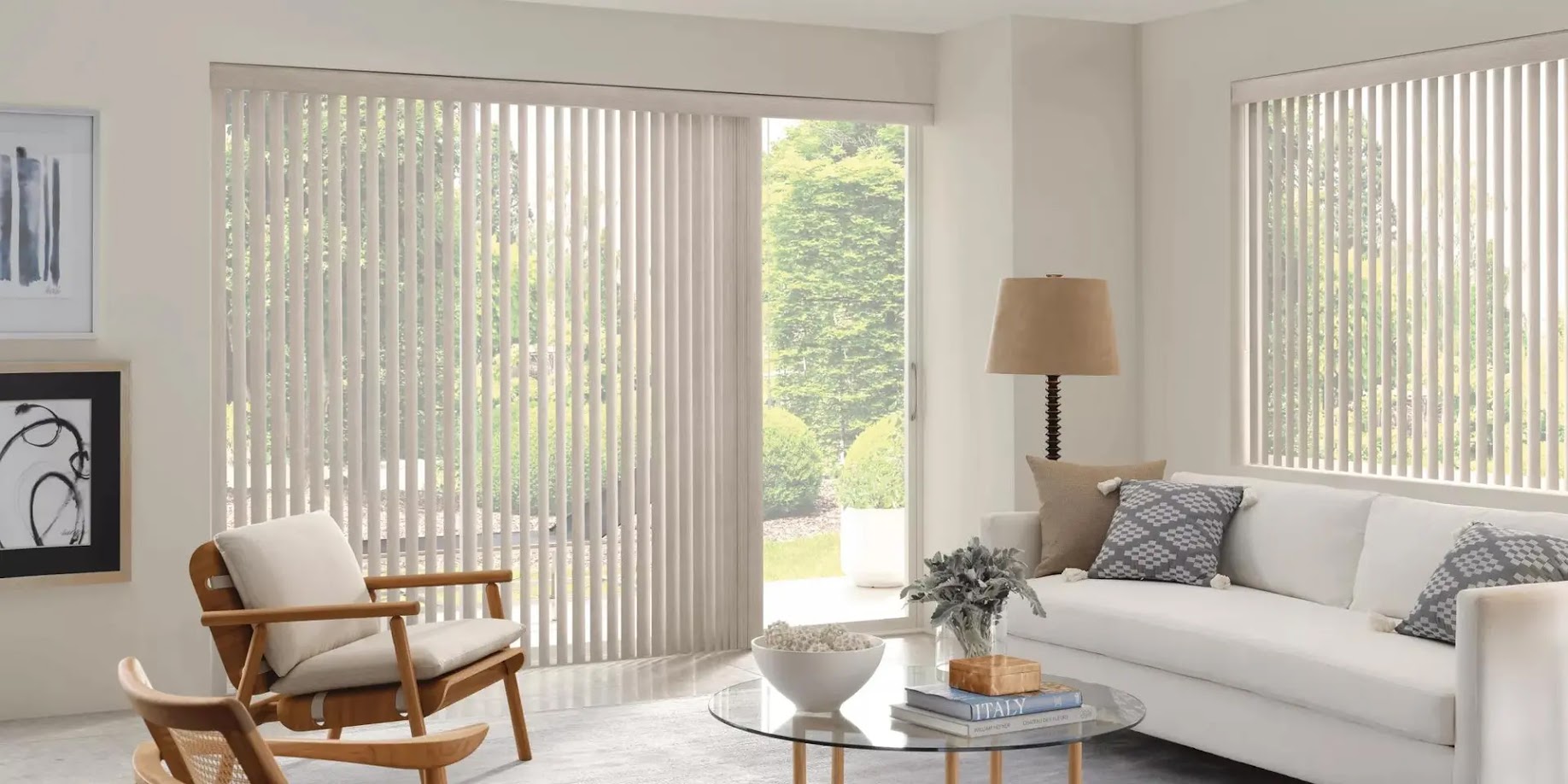
AWAKEN THE BEAUTY OF YOUR SPACE WITH ELEGANT VERTICAL BLINDS
In the art of interior design, the beauty of a space is not defined solely by expensive furniture or elaborate decorations. Sometimes, it is the seemingly simplest details — natural light filtering through windows, the graceful lines of window treatments, and the harmony between colors and architecture — that create a distinctive character and leave a lasting impression on every space.
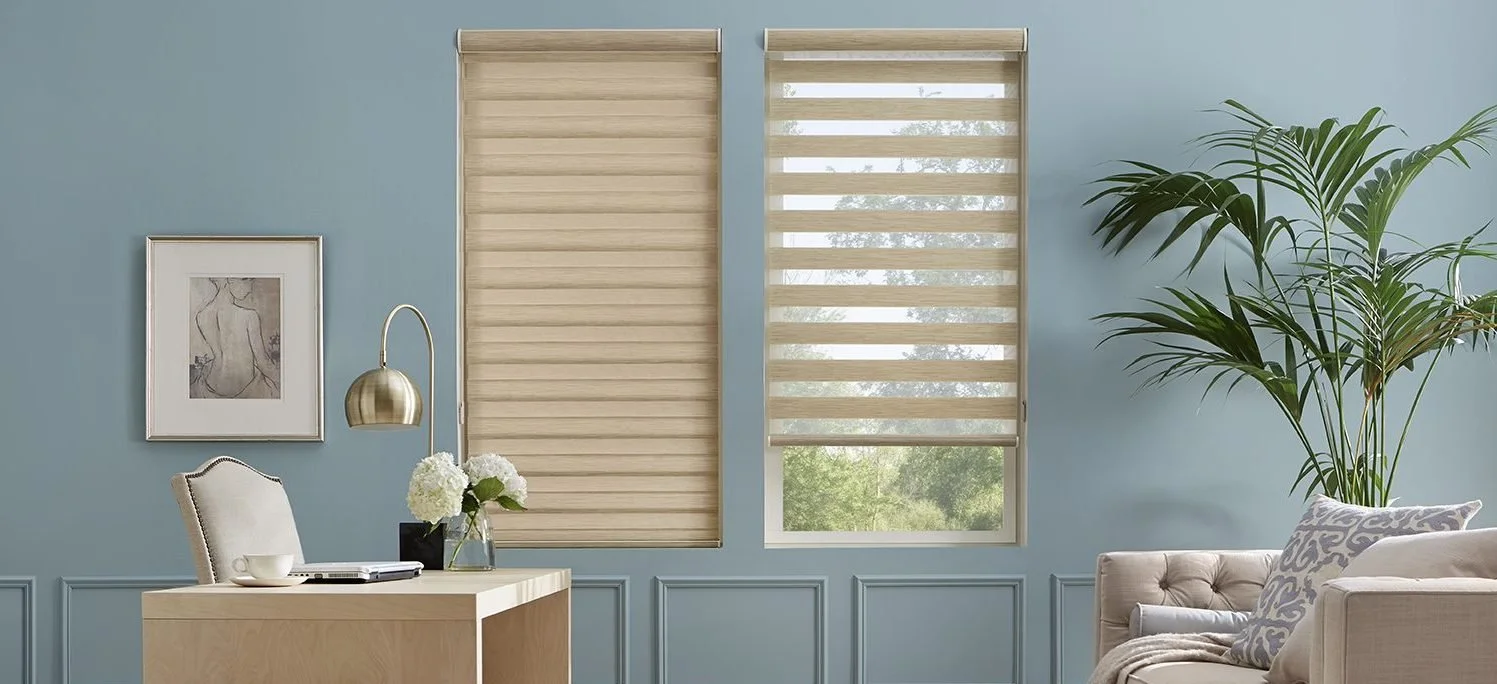
Why Are Zebra Blinds Becoming Increasingly Popular in Modern Spaces?
Zebra blinds are becoming increasingly popular thanks to their modern, elegant design and flexible light control. In addition to helping reduce direct sunlight and enhance privacy, they bring a neat, sophisticated look to homes, apartments, and offices. Join ZENDECOR as we explore the key benefits of zebra blinds and discover how to choose the right style for your space.
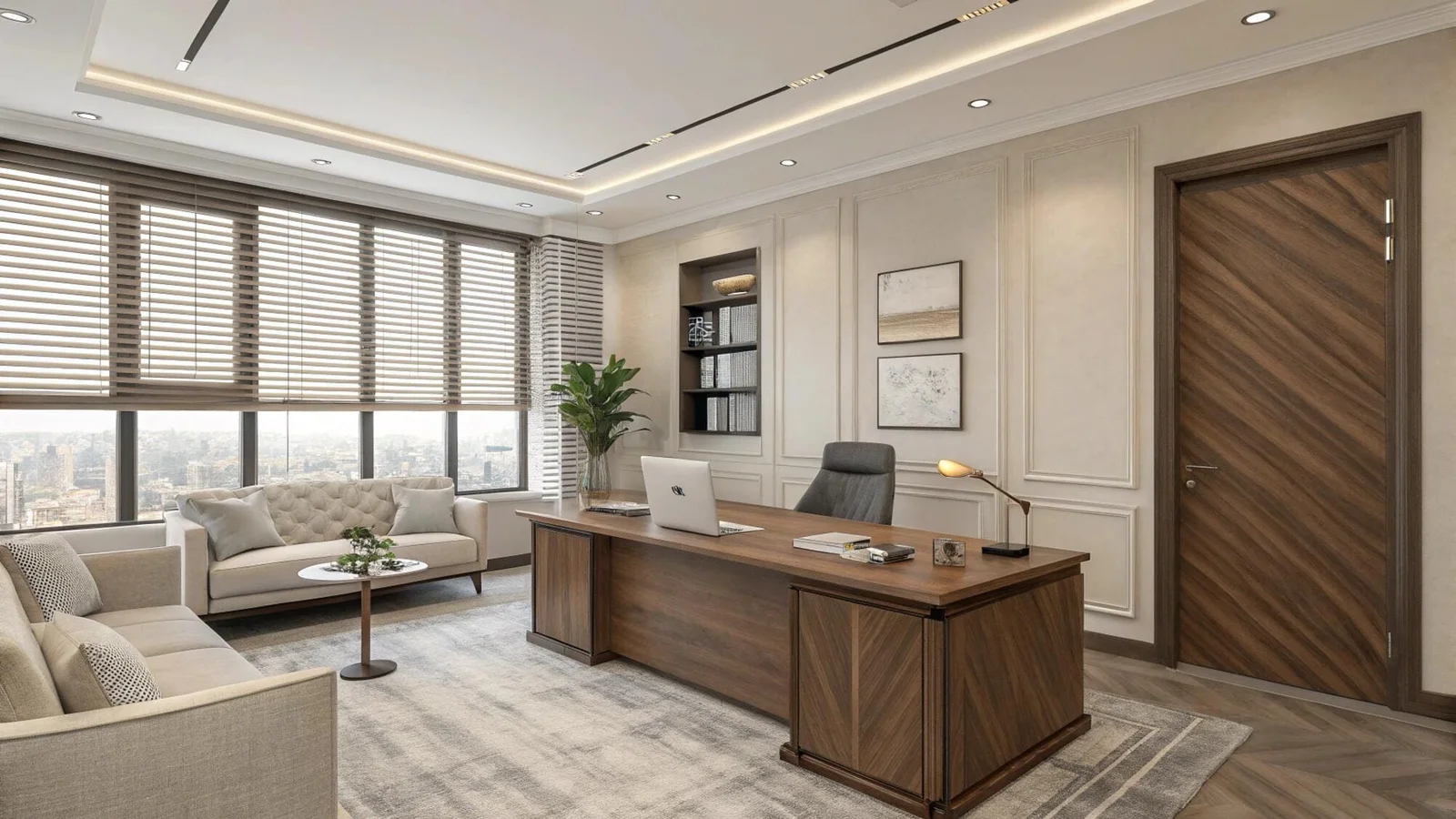
Top 5 Best Office Blinds to Reduce Sunlight and Keep Your Workspace Cool
Is your office frequently exposed to direct sunlight, excessive heat, and screen glare? Discover the top 5 office blinds that combine style and functionality, helping create a cooler, more comfortable, and professional working environment.
Are Aluminum Venetian Blinds Durable? Tips for Choosing Long-Lasting Blinds
Aluminum Venetian blinds are a modern window covering solution featuring a sleek design, lightweight construction, easy maintenance, and flexible light control. They help reduce direct sunlight, provide privacy, and add a refined touch to living spaces and offices. Discover their outstanding benefits and useful tips for choosing durable, high-quality aluminum Venetian blinds with ZENDECOR.