
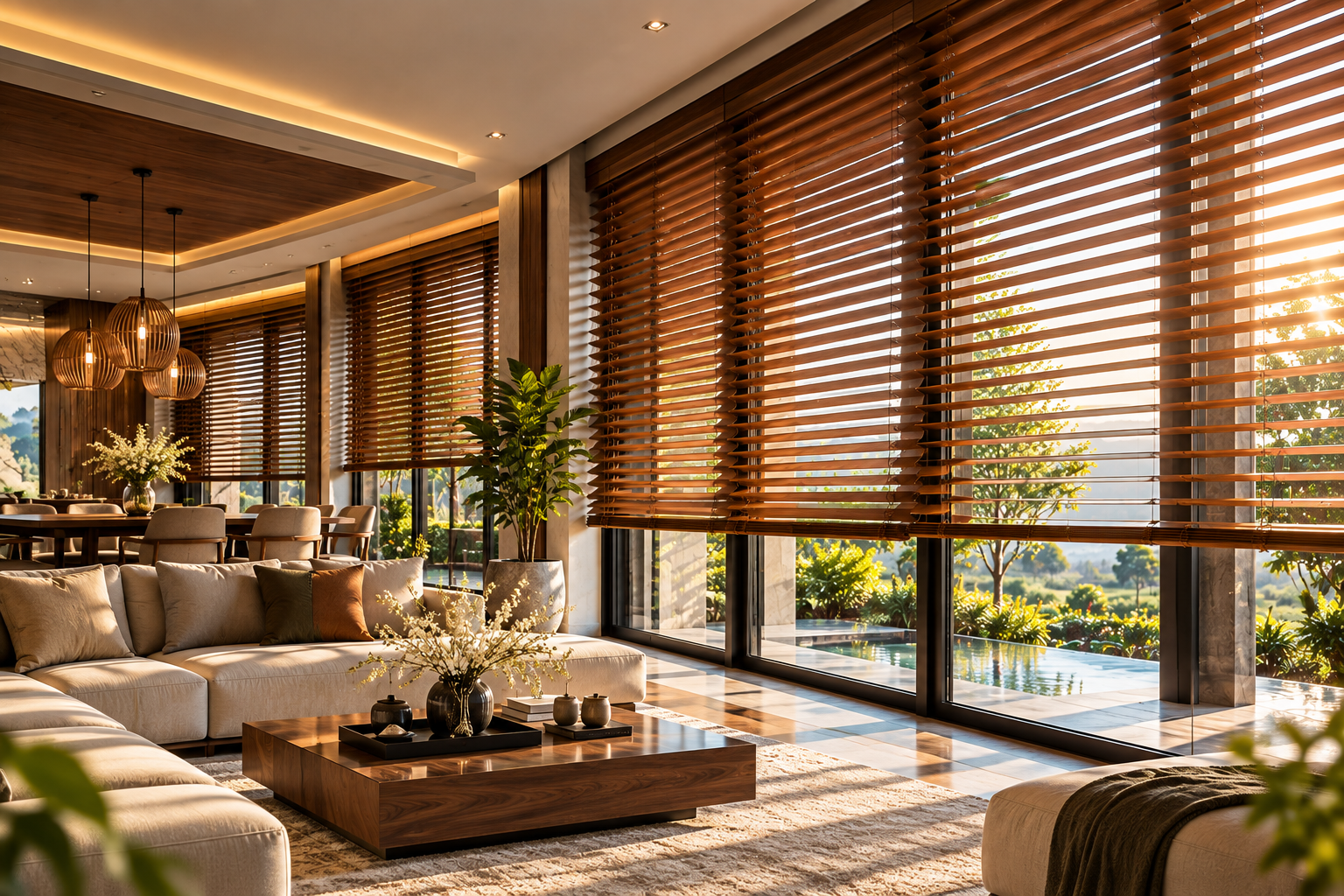
Luxury Villa Wooden Blinds – A Sophisticated Choice for High-End Spaces
In modern, classic, and neoclassical villas, curtains are not only used to block sunlight and control natural light but also play an important role in enhancing the overall interior style. Among the various high-end window treatment options available today, wooden blinds for villas are becoming increasingly popular among homeowners thanks to their luxurious appearance, natural materials, and ability to add a sophisticated accent to the space.
Unlike conventional curtains, wooden blinds feature evenly arranged wooden slats that can be tilted and adjusted flexibly to control the amount of natural light entering the room. The natural colors and distinctive wood grain make these blinds easy to coordinate with high-end furnishings such as leather sofas, wooden tables, natural stone, premium wall finishes, and decorative metal accents.
For villa projects where harmony between architecture and interior design is a priority, choosing the right window treatment from the outset can help create a more cohesive, refined, and visually sophisticated overall space.
1. What Are Wooden Blinds for Villas?
Wooden blinds for villas are window treatments made from natural wood or high-quality engineered wood, carefully crafted into evenly sized slats. The slats are connected by a system of cords and fittings, allowing users to adjust their angle to control natural light and privacy.
When fully closed, the blinds can significantly reduce direct sunlight and enhance privacy. By tilting the slats, homeowners can adjust the amount of incoming light throughout the day without having to raise or lower the entire blind.
This feature makes wooden blinds particularly suitable for villas, where spaces are often spacious, feature large windows, and require a high level of aesthetic refinement.
2. Why Are Wooden Blinds Suitable for Villa Interiors?
Villas typically feature generous spaces, carefully designed architecture, and high-quality finishing materials. Therefore, window treatments should complement the overall materials, colors, and interior style.
Wooden blinds offer several advantages that make them well suited to these characteristics.
Elegant and Natural Beauty
One of the most distinctive features of wooden blinds is the natural beauty of the material. The unique wood grain creates a warm, welcoming atmosphere while maintaining an elegant and sophisticated appearance.
When paired with wooden furniture, wood flooring, or neutral-toned decorative elements, wooden blinds can create a visual connection between different areas of the home.
A Premium Look and Feel
Villa interiors often emphasize attention to detail. A set of blinds with the right color, clean lines, and high-quality materials can transform a window into an integral part of the interior design rather than simply a functional sun-blocking solution.
Flexible Light Control
The slats can be tilted to different angles, allowing homeowners to adjust the amount of natural light according to the time of day.
In the morning, the slats can be slightly opened to make use of natural daylight. At midday, they can be tilted to reduce direct sunlight. In the evening, the blinds can be fully closed to enhance privacy.
Suitable for Various Architectural Styles
Wooden blinds are not limited to classic villas. With the right choice of color, finish, and slat size, they can complement a wide range of spaces, including:
- Modern villas
- Neoclassical villas
- Indochine-style villas
- Luxury resort villas
- High-end townhouses
- Luxury apartments
- Home offices and reading rooms
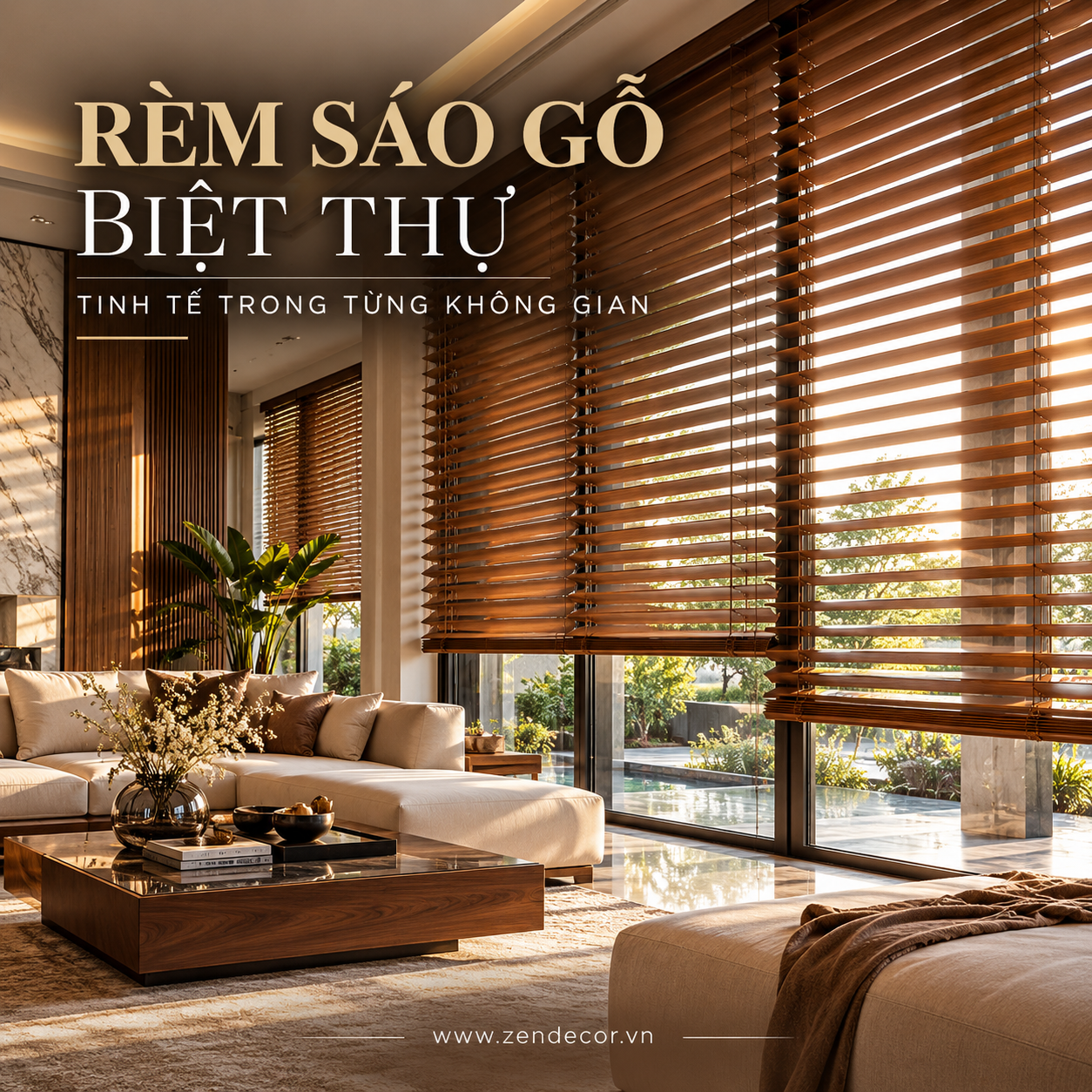
3. What Types of Wooden Blinds Are Available for Villas?
Today, wooden blinds are available in a wide range of materials, origins, colors, finishes, and slat sizes, giving homeowners plenty of options to match different villa styles and interior designs.
Natural Wooden Blinds
These blinds are made from natural wood that has been carefully processed, dried, and surface-finished. One of the key advantages of natural wood blinds is their authentic appearance, distinctive grain patterns, and premium feel.
Each wooden slat may have subtle variations in grain and color, creating a unique and naturally elegant appearance for the finished blind.
Engineered Wood Blinds
This type of blind is manufactured from engineered wood or similar composite materials and finished with a protective decorative coating.
One of the main advantages is the greater consistency in color, texture, and appearance. This makes engineered wood blinds a practical option for projects requiring multiple blinds across windows of different sizes while maintaining a consistent overall design.
Wide-Slat Wooden Blinds
Wooden blinds with wider slats create a bold, contemporary appearance and are particularly suitable for large windows.
For villas featuring expansive glass doors or windows, wider slats can make the overall window treatment look more structured, clean, and visually balanced.
Narrow-Slat Wooden Blinds
Narrower slats create a lighter and more delicate visual effect, with greater emphasis on the individual details of the blind.
They can be a suitable choice for medium-sized windows or interior spaces where a softer and more refined appearance is desired.
4. Villa Spaces That Are Ideal for Wooden Blinds
Wooden Blinds for Villa Living Rooms
The living room is often the central area of a villa, making aesthetics a particularly important consideration.
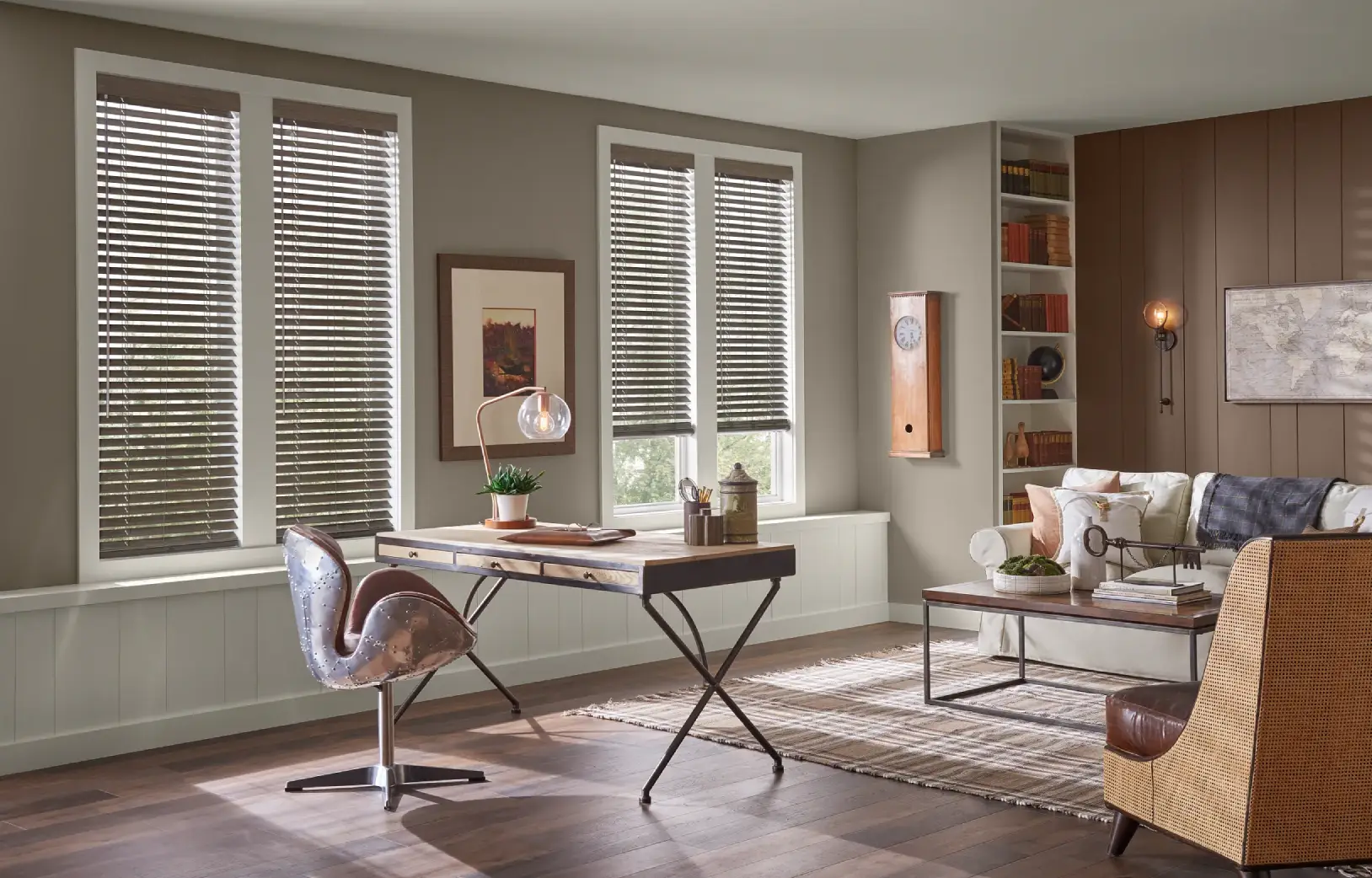
Wooden blinds in brown, beige, walnut, or natural wood tones can complement sofas, coffee tables, wooden flooring, and built-in cabinetry.
For living rooms with large glass windows, choosing a blind color that harmonizes with the existing interior palette can help create a cohesive appearance without making the space feel visually heavy.
Wooden Blinds for Villa Bedrooms
Bedrooms require both privacy and comfortable light control. Wooden blinds allow homeowners to adjust the angle of each slat, giving them greater control over natural light throughout the day.
Lighter wood tones can create a calm and airy atmosphere, while darker wood finishes can add warmth, depth, and a more luxurious character to the room.
Wooden Blinds for Home Offices
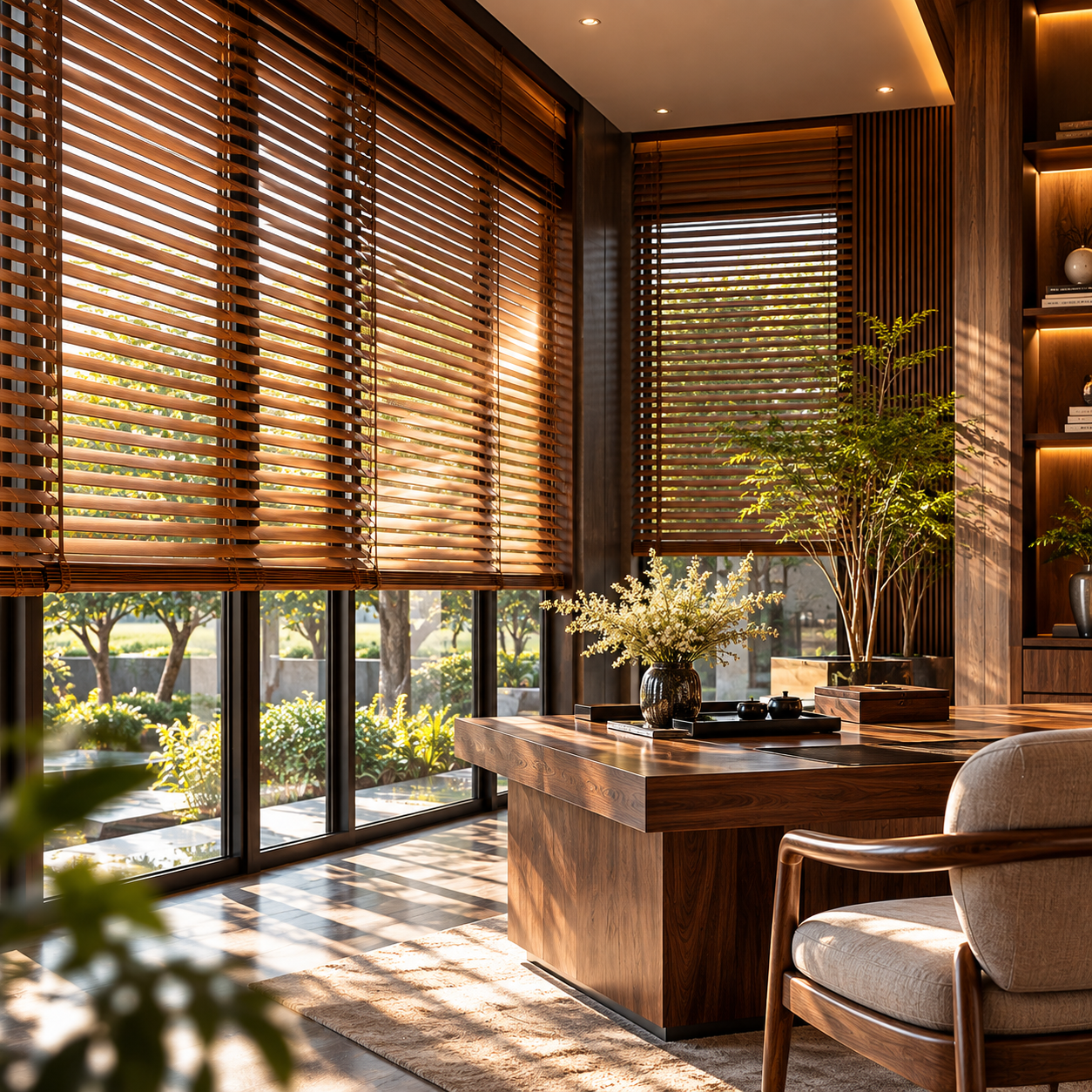
For home offices or private studies, wooden blinds work particularly well with interiors that emphasize minimalism, sophistication, and a focused atmosphere.
Natural wood tones combined with a wooden desk, bookshelves, and warm lighting can create a refined workspace with a sense of depth and character.
Wooden Blinds for Dining Areas
Wooden blinds can also be used for dining-room windows, particularly in villas featuring open-plan layouts that connect the kitchen, dining area, and garden.
Their natural material can help establish a visual connection between the indoor living space and surrounding outdoor greenery.
5. How to Choose Wooden Blinds for a Villa
Choosing the right wooden blinds should involve more than simply selecting a color. Window dimensions, sunlight exposure, architectural style, and existing interior furnishings should all be considered.
Choosing Blind Colors to Match the Interior
Several color palettes are commonly used:
Light wood tones: Suitable for modern, Scandinavian-inspired interiors and spaces featuring white, cream, or other light colors.
Neutral brown: Easy to coordinate with a variety of interior styles while adding warmth and visual comfort.
Walnut tones: Particularly suitable for sophisticated interiors featuring darker wood furniture and rich, luxurious finishes.
White or beige: Ideal for spaces where a brighter, more spacious, and understated atmosphere is desired.
The key principle is to create a visual connection between the blind color and elements such as flooring, wooden furniture, wall colors, or decorative details rather than choosing a completely contrasting shade.
6. How to Choose the Right Wooden Blind Slat Size
Slat size has a direct impact on the overall appearance and proportions of a window.
For large windows, wider slats can create a stronger, more contemporary look. For small or medium-sized windows, narrower slats may provide better visual balance.
In addition to choosing the appropriate slat width, the overall width and height of the blind must be measured accurately. This is particularly important for villas with large glass window systems, where professional on-site measurement and assessment before production can help ensure a precise fit and a more refined final appearance.
7. Do Wooden Blinds Block Sunlight Effectively?
The light-blocking performance of wooden blinds depends on several factors, including the material, slat thickness, color, and installation method.
When the slats are fully closed, wooden blinds can significantly reduce direct sunlight entering the room. However, because wooden blinds are primarily designed to control and adjust light rather than provide complete blackout, their light-blocking performance differs from specialized blackout curtains or blinds.
If a room requires a high level of light control, consider combining wooden blinds with a layer of fabric curtains on the inside.
This layered solution not only enhances the overall aesthetics but also gives homeowners greater flexibility in controlling natural light and privacy.
8. Should Wooden Blinds Be Combined with Fabric Curtains?
This is an option worth considering for villas with spacious living rooms or bedrooms.
Wooden blinds provide light control and create a distinctive visual accent around the windows, while fabric curtains add softness and can further improve light reduction and privacy.
Combining these two contrasting materials—structured wood and soft fabric—can also give the interior greater depth and visual dimension.
For example, walnut-colored wooden blinds can be paired with cream or beige fabric curtains. This combination is versatile and can complement a wide range of villa interior styles, from modern and minimalist to classic and neoclassical designs.
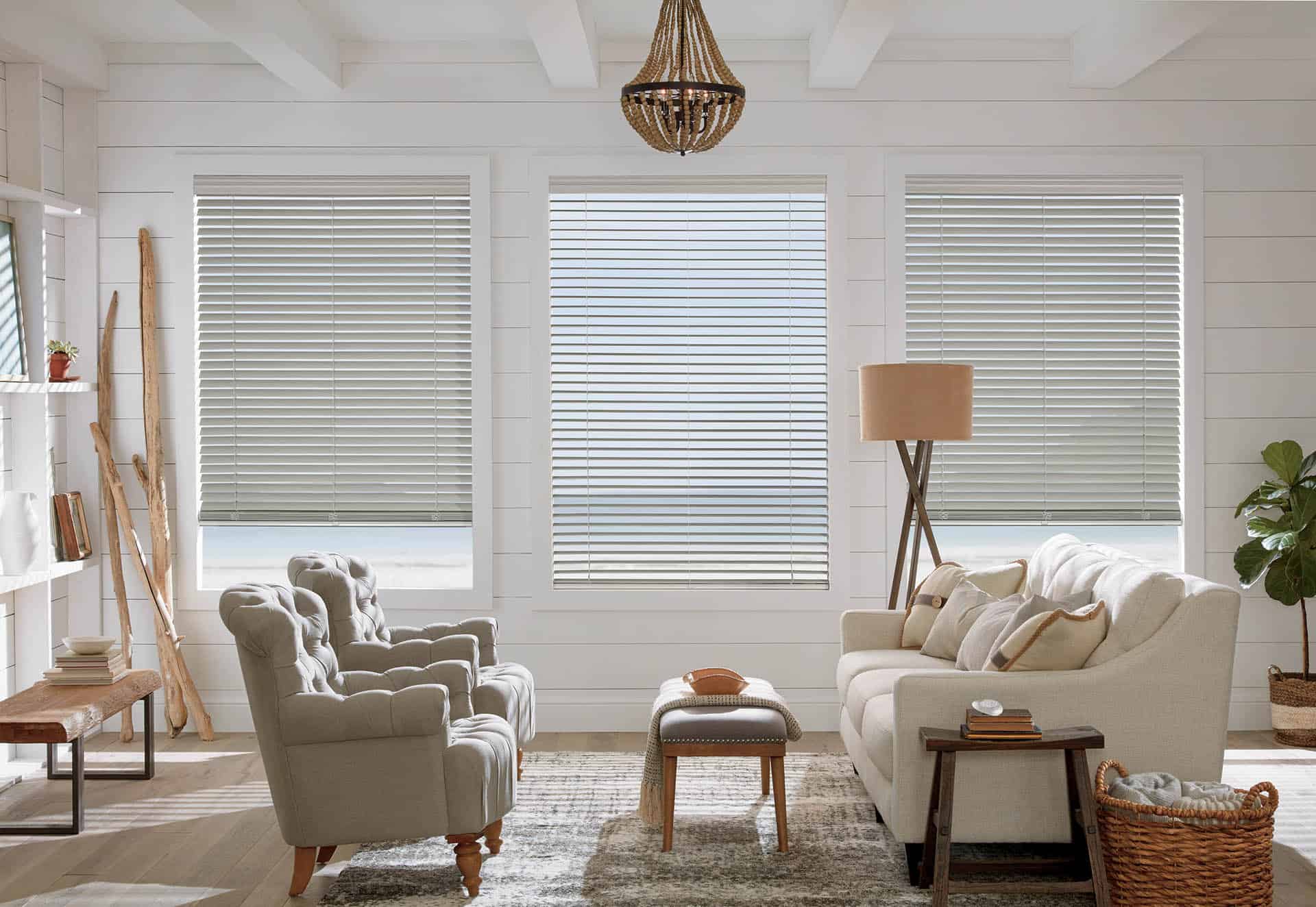
9. Advantages of Wooden Blinds Compared with Other Types of Window Treatments
Each type of window treatment has its own characteristics. Wooden blinds stand out for their distinctive visual appeal and flexible light-control capabilities.
Compared with roller blinds, wooden blinds feature more defined details and showcase the natural beauty and texture of wood more prominently.
Compared with fabric curtains, wooden blinds have a cleaner, more structured appearance, making them particularly suitable for minimalist and modern interiors.
Compared with aluminum Venetian blinds, wooden blinds generally create a warmer and more natural atmosphere while complementing interior furnishings more harmoniously.
Therefore, the choice of window treatment should be based on the overall interior design, architectural characteristics, and actual usage requirements rather than on a single criterion.
10. Important Tips for Using and Maintaining Wooden Blinds
To maintain the appearance and functionality of wooden blinds over time, homeowners should keep the following points in mind:
- Clean the blinds regularly using a soft cloth or suitable cleaning tool.
- Avoid prolonged direct exposure to water or excessive moisture.
- Do not use harsh chemicals or strong cleaning agents on the surface of the slats.
- Operate the blinds gently when adjusting or opening and closing them.
- Periodically check the cords, fittings, and operating mechanisms.
- For windows exposed to strong sunlight, choose a suitable wood material and protective surface finish.
For villas with west-facing windows or areas that receive strong direct sunlight for extended periods, it is advisable to consult a professional to select a suitable material and surface treatment for the specific conditions.
11. Why Should Wooden Blinds Be Professionally Measured and Surveyed Before Installation?
A beautiful set of blinds depends not only on the material but also on accurate dimensions and proper installation positioning.
Villa windows are often large and feature a variety of architectural configurations, including floor-to-ceiling glass doors, double-height windows, corner windows, and multi-panel window systems.
A professional on-site survey can help determine:
- The exact window dimensions.
- The appropriate position for the blind headrail.
- The direction in which doors or windows open.
- The distance between the window and ceiling.
- The position of door and window handles.
- The direction and intensity of sunlight.
- The existing interior color palette.
- The most suitable operating method.
These factors can help minimize issues such as the blinds obstructing doors or handles, appearing visually unbalanced, or being incompatible with the original architectural design.
12. Wooden Blinds – A Refined Finishing Touch for Villa Interiors
A beautiful villa is rarely defined by a single design element. Instead, it is the result of a harmonious combination of architecture, lighting, materials, and interior furnishings.
Wooden blinds can serve as an important visual connection between these elements. The natural wood grain complements wooden furniture and interior finishes, while the structured slats add clean architectural lines to windows. Their adjustable design also allows homeowners to control natural light and create different atmospheres throughout the day.
This is particularly valuable in interiors featuring extensive glass surfaces, where window treatments play an important role in balancing natural light, comfort, and privacy.
13. Zendecor – Professional Wooden Blind Solutions for Every Space
Choosing wooden blinds for villas should be based on the actual architectural characteristics of the space rather than simply selecting from pre-designed models.
Zendecor provides tailored window treatment solutions for different areas, including living rooms, bedrooms, home offices, and large glass window systems.
Customers can choose from a variety of colors, materials, slat sizes, and operating options to complement the interior style of their home.
For villa projects, the consulting team can assess the window layout, evaluate sunlight exposure, and recommend a suitable blind solution that harmonizes with the overall architectural design.
Wooden blinds for villas are an ideal choice for spaces that emphasize elegance, natural beauty, and consistency in interior design. In addition to controlling natural light, wooden blinds create an attractive focal point around windows and contribute to the overall character of the room.
From modern and neoclassical villas to high-end resort spaces, a carefully selected set of wooden blinds—with the right color, dimensions, and material—can create a sophisticated look without appearing overly elaborate.
If you are looking for premium wooden blinds for your villa, start by considering the interior style, sunlight exposure, window dimensions, and your specific usage requirements. A properly surveyed and professionally planned solution from the beginning can help ensure that the blinds are both visually appealing and convenient for long-term use.
Zendecor – Sophistication in Every Space!
**>> See also: Zendecor Outdoor Roller Blinds – Sleek Design, Easy Operation and Convenience
Related articles
View all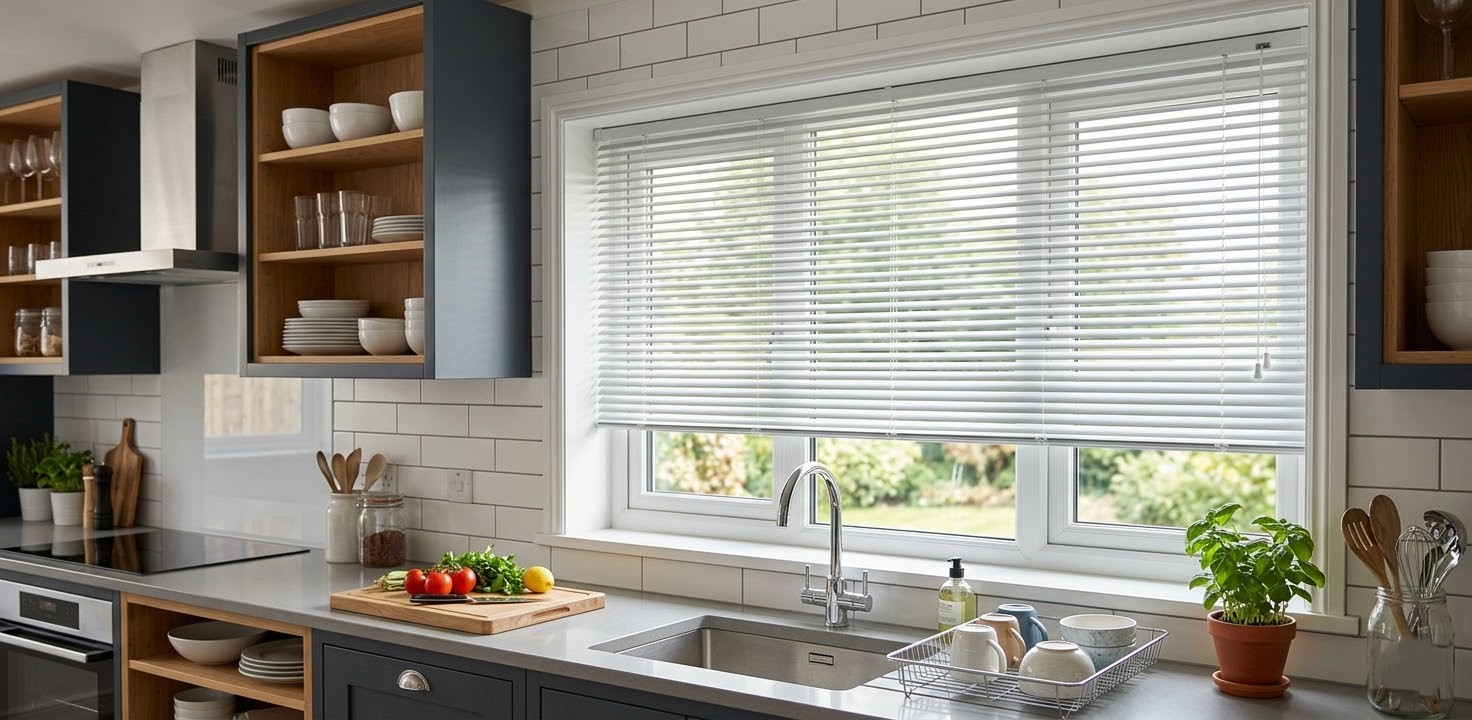
Rèm Cửa Biệt Thự Phòng Ăn – Gợi Ý Mẫu Rèm Thanh Lịch, Hài Hòa Nội Thất
Trong thiết kế nội thất biệt thự, phòng ăn không chỉ là nơi dùng bữa mà còn là không gian kết nối các thành viên trong gia đình. Một phòng ăn đẹp cần có sự cân bằng giữa công năng, ánh sáng, màu sắc và cảm giác ấm cúng. Chính vì vậy, rèm cửa biệt thự phòng ăn ngày càng được chú trọng như một phần quan trọng trong tổng thể nội thất.
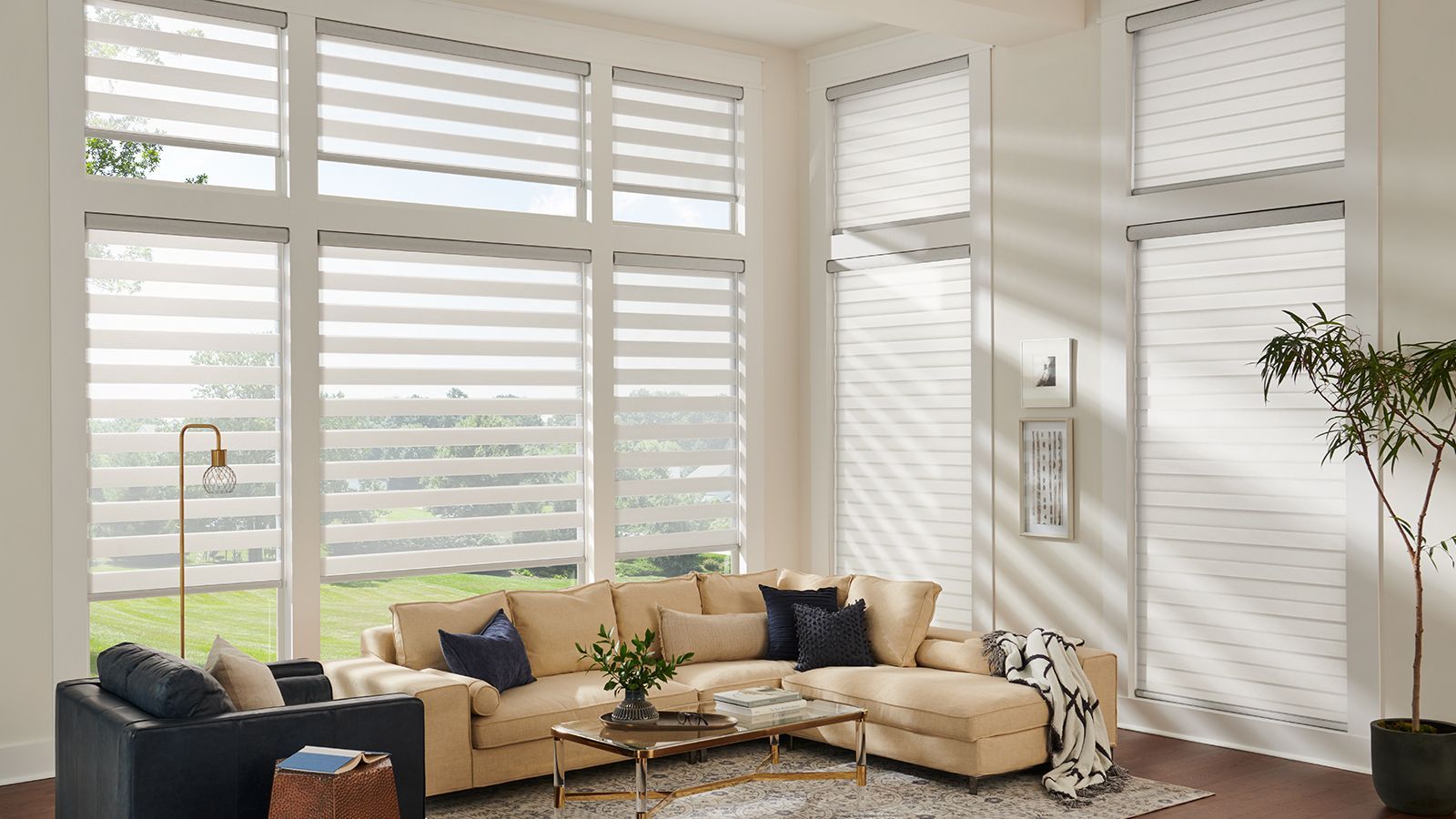
Rainbow Blinds in Hai Phong – Beautiful, Premium, Sun-Blocking Designs with On-Site Installation
tment residents, offices, and modern properties thanks to their stylish design, compact appearance, and flexible light-control capabilities. More than just a window covering, rainbow blinds also contribute to enhancing the overall interior style and creating a more comfortable and convenient living environment.
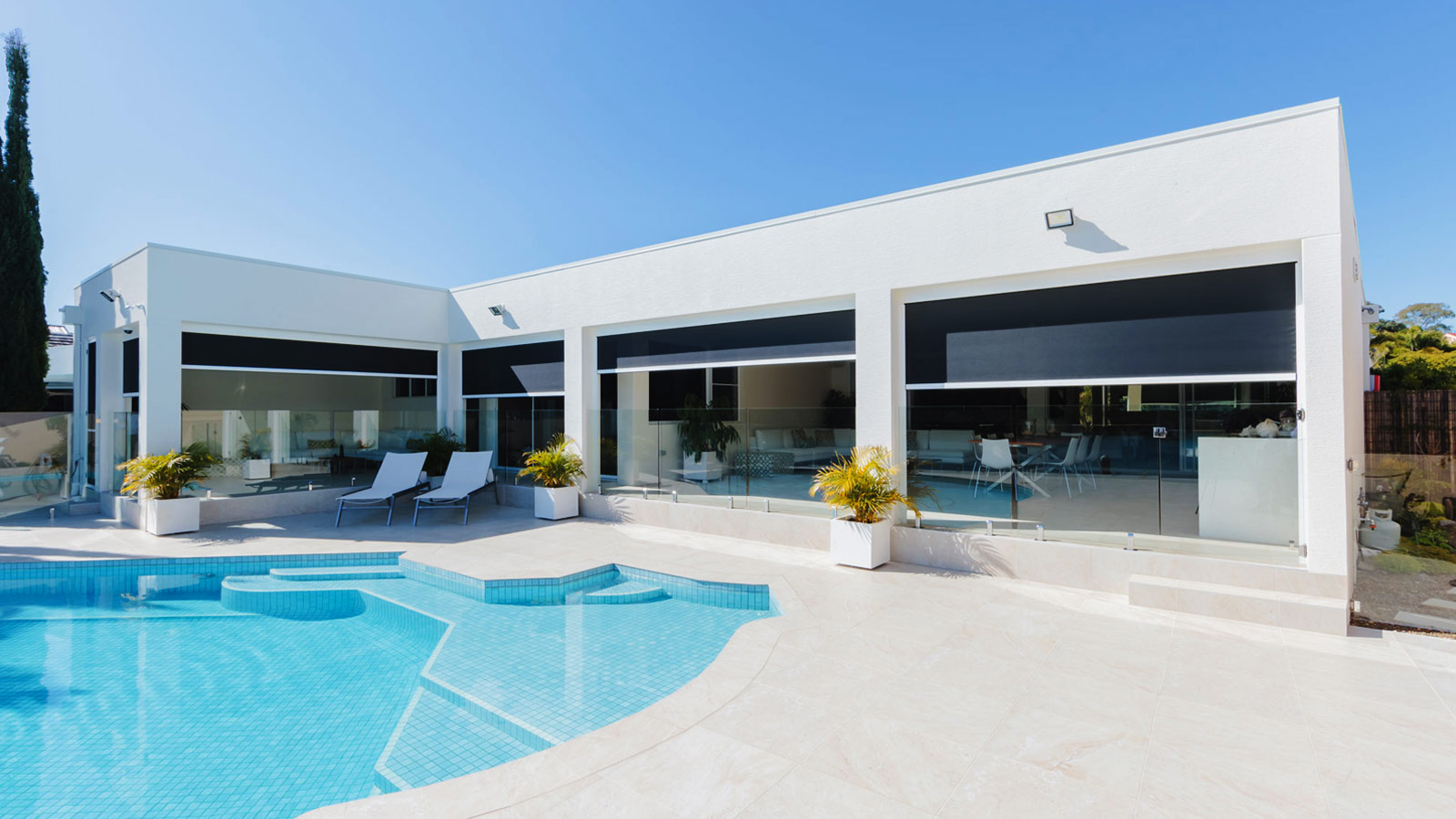
Beautiful Zip Screen Blinds – Modern Outdoor Shades for Townhouses & Villas
In modern townhouses and villas, spaces such as balconies, rooftop terraces, verandas, loggias, and outdoor areas are receiving increasing attention. These spaces are not only ideal for relaxation but also contribute to the overall architectural design and lifestyle of the family. However, harsh sunlight, wind, dust, and constantly changing weather conditions can make these areas difficult to use comfortably.
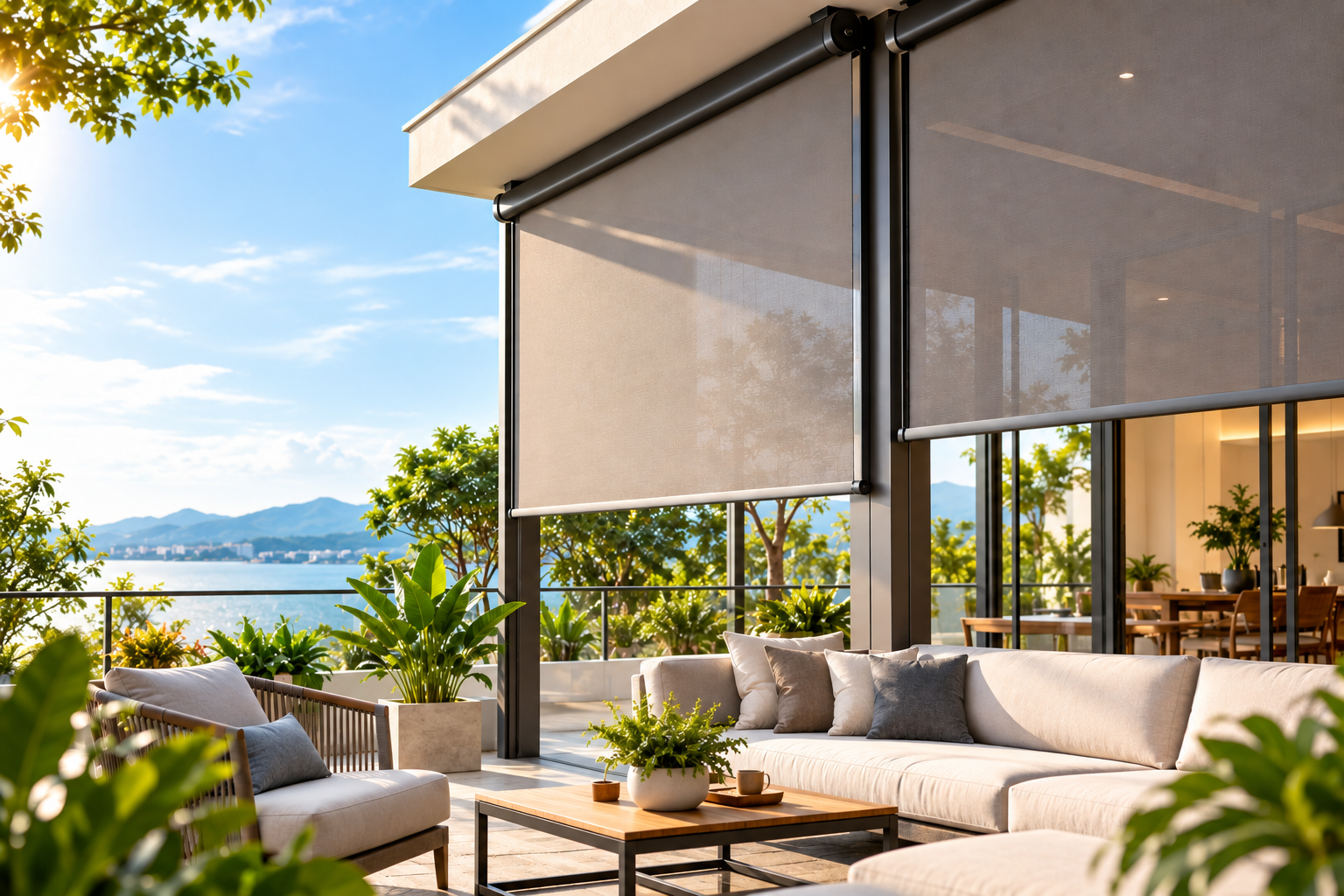
Zendecor Outdoor Roller Blinds – Sleek, Practical and Easy to Use
Zendecor Outdoor Roller Blinds are a modern sun-shading solution designed for balconies, rooftops, patios, windows, and outdoor areas of villas, townhouses, apartments, restaurants, cafés, and other spaces. With a sleek and compact design, flexible light control, and a wide range of color options, outdoor roller blinds not only help reduce heat and direct sunlight but also create a more comfortable, private, and aesthetically pleasing living environment.