
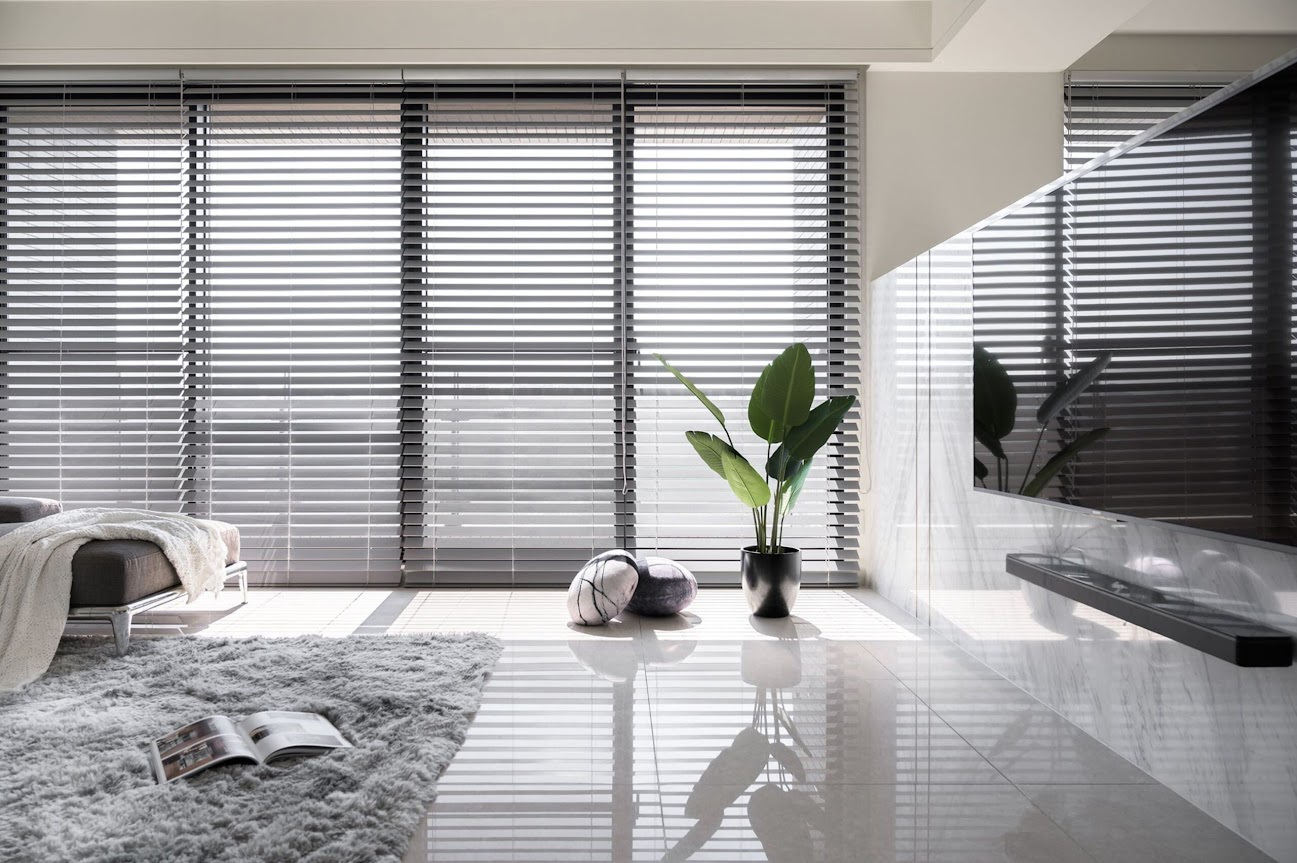
ZenDecor Premium Wooden Blinds – Natural Beauty for a Luxurious Living Space
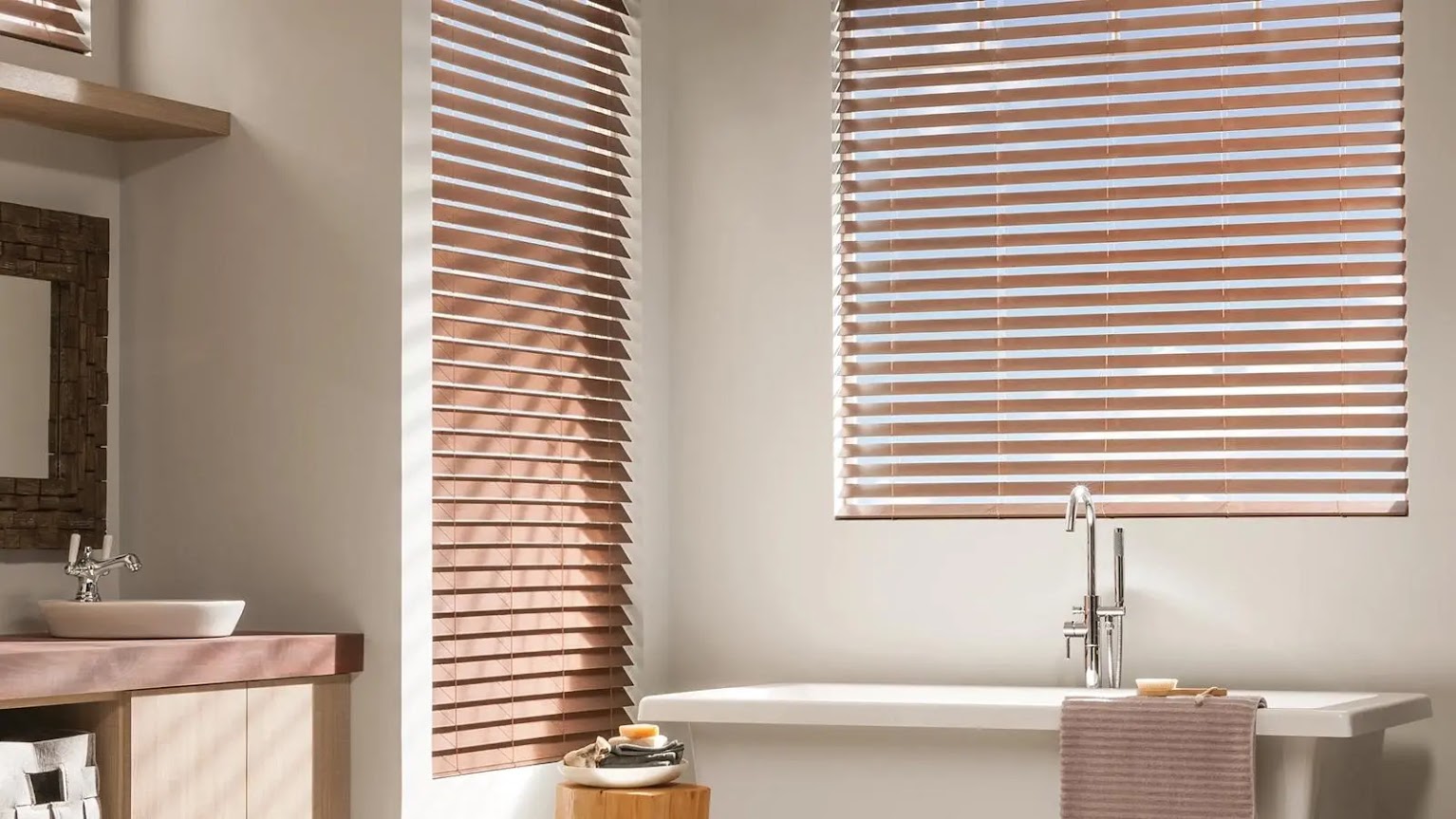
Wooden blinds are the perfect choice for those who appreciate elegance, luxury, and a natural aesthetic. Featuring a modern horizontal slat design, beautiful wood grain patterns, and warm tones, these blinds not only offer flexible light control and enhanced privacy but also add a sophisticated touch to any interior. From living rooms and bedrooms to offices and hotels, wooden blinds blend effortlessly with a variety of interior design styles, creating a harmonious and captivating atmosphere. Discover ZenDecor’s elegant wooden blind solutions and transform your space into a comfortable, stylish environment that reflects your unique personality.
In modern interior design, products made from natural materials, featuring minimalist lines and versatile designs that complement various architectural styles, are becoming increasingly popular. Among them, wooden blinds stand out for their warm, luxurious appearance and flexible light control. Not only do wooden blinds help block sunlight and reduce direct light entering a room, but they also add a distinctive decorative touch to both living and working spaces.
Featuring horizontal slats that can be tilted to adjust the angle of incoming light, wooden blinds are suitable for a wide range of spaces, including living rooms, bedrooms, home offices, corporate offices, restaurants, and hotels. So, what are the advantages of wooden blinds, where are they best used, and how can you choose the right product? Let’s explore the details with ZenDecor in the following article.
1. What Are Wooden Blinds?
Wooden blinds are a type of window covering made of horizontal wooden slats connected by a system of cords and control mechanisms. Users can raise, lower, or tilt the slats to adjust the amount of natural light entering a room according to their needs.
The standout feature of wooden blinds lies in their combination of natural beauty and modern design. Distinctive wood grain patterns and a range of colors, from light to dark tones, allow these blinds to complement various interior styles, from minimalist and contemporary to classic and luxurious.
On the market, wooden blinds are typically made from natural wood or wood-look materials, depending on the product range. Each type offers different characteristics in terms of aesthetics, moisture resistance, weight, and cost. Therefore, customers should consider the installation location and actual usage conditions before making a choice.
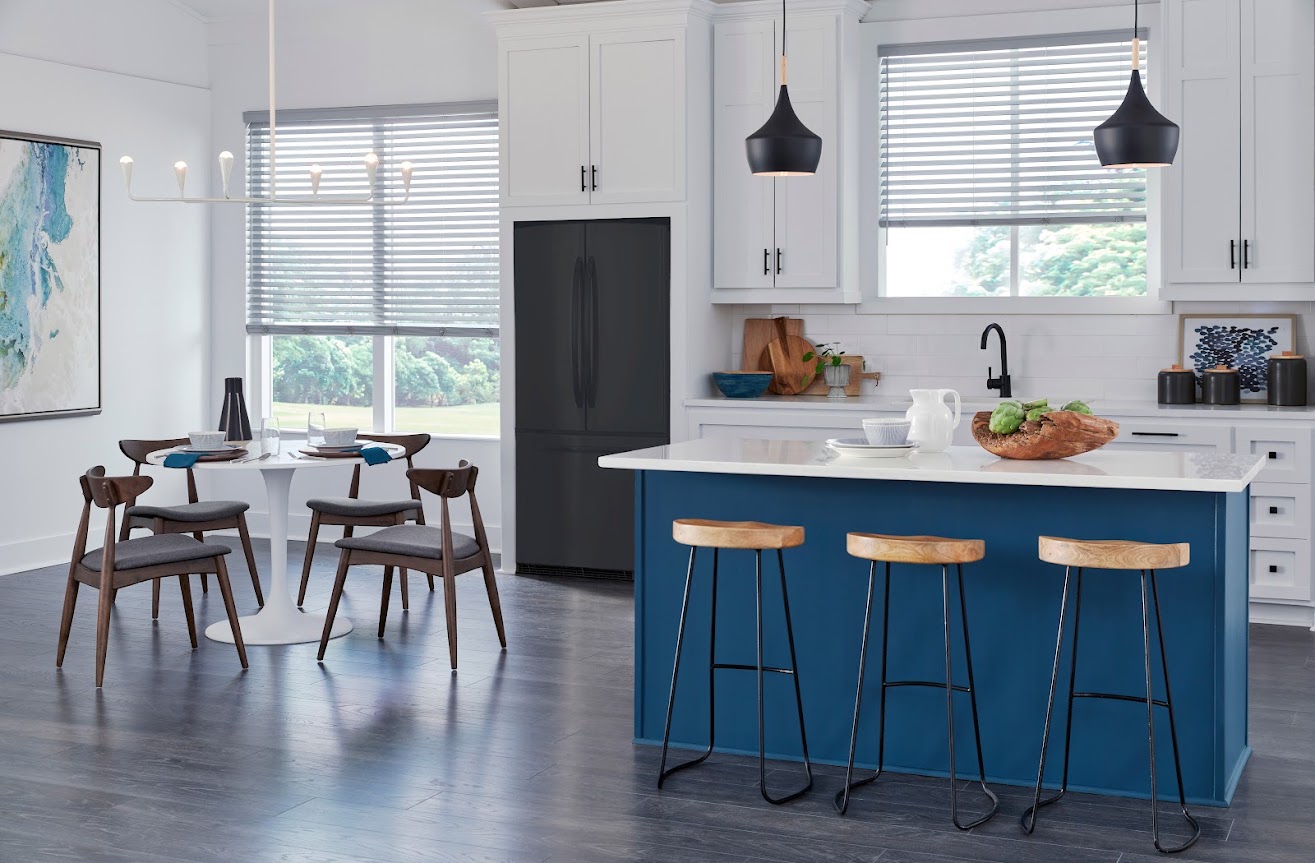
2. Outstanding Advantages of Wooden Blinds
2.1. Bringing Natural Beauty and Elegance to Your Space
One of the main reasons wooden blinds are so popular is their natural, understated beauty combined with refined elegance. The distinctive wood grain patterns create a warm, inviting atmosphere and add depth and character to any interior.
When paired with wooden flooring, wooden furniture, neutral-toned sofas, or minimalist decorative accessories, wooden blinds create a harmonious and cohesive look. They are an ideal choice for homeowners who appreciate timeless elegance, value aesthetics, and want to give their homes a unique and distinctive character.
2.2. Flexible Light Control
Unlike conventional curtains that can only be raised or lowered, wooden blinds allow users to tilt the slats at different angles. This feature provides greater control over natural light, helping reduce direct sunlight entering the room and minimize glare on the eyes and furniture.
In the morning, the slats can be tilted to welcome soft, natural light into the space. When sunlight becomes more intense, users can adjust the slat angles to reduce direct exposure while maintaining a comfortable and airy atmosphere.
This flexibility is particularly beneficial for living rooms, home offices, and spaces with east- or west-facing windows, where sunlight can be especially strong at certain times of the day.
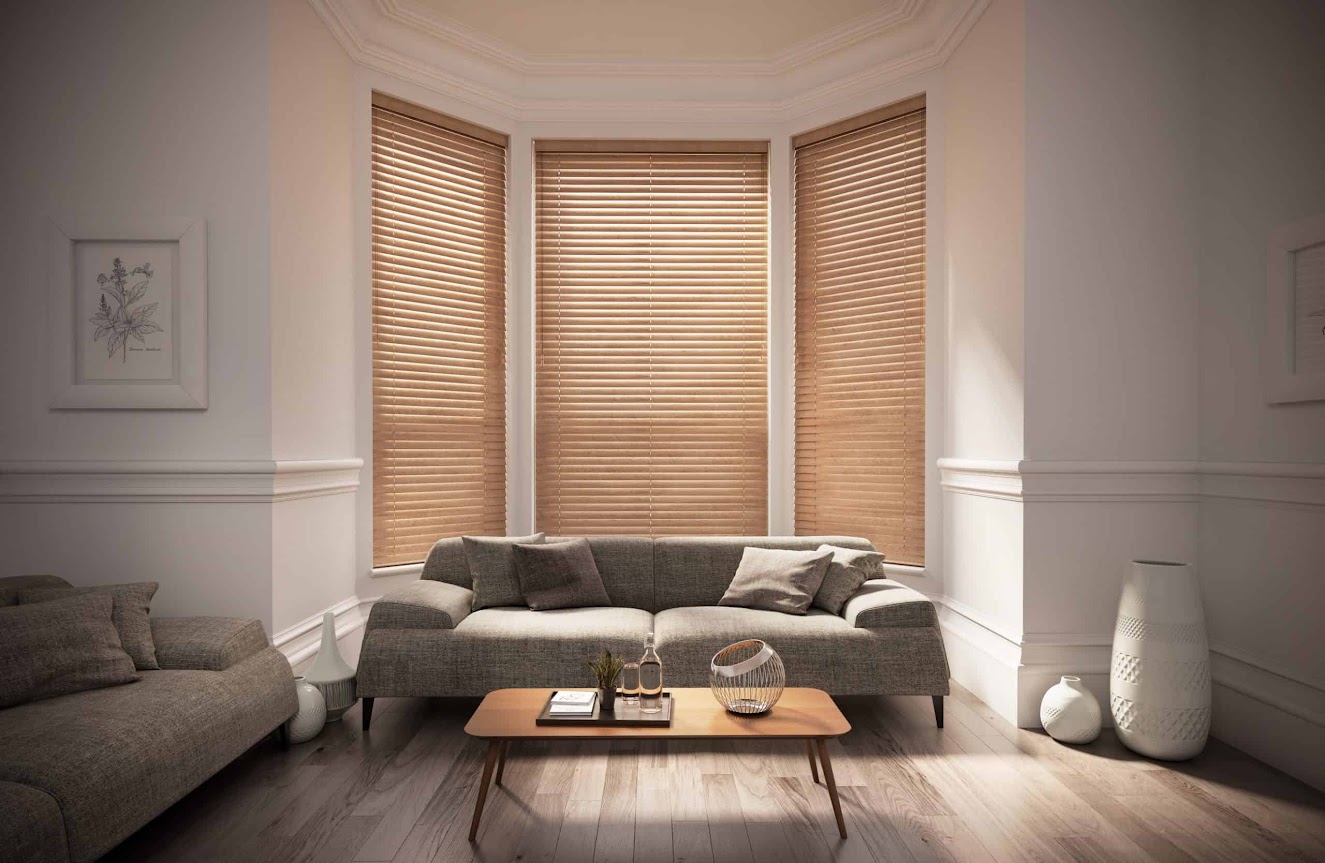
2.3. Enhancing Privacy in Any Space
Wooden blinds help limit visibility from outside when the slats are adjusted appropriately. This is an important advantage for townhouses, apartments, and offices located close to neighboring buildings.
Depending on the slat angle and lighting conditions, users can strike a balance between natural light and privacy. However, if complete nighttime coverage or a high level of light blocking is required, it is advisable to check the gaps between the slats and consider combining wooden blinds with an additional layer of fabric curtains.
2.4. Easy to Coordinate with Various Interior Styles
Wooden blinds are available in a wide range of colors, from light oak and golden brown to walnut brown and neutral shades. This versatility makes them suitable for many different interior spaces.
-
Modern style: Choose light wood, beige, or light brown tones to create a bright and airy atmosphere.
-
Minimalist style: Select colors that complement the flooring, walls, and furniture, avoiding excessive contrast.
-
Luxury style: Deep brown tones pair beautifully with wooden furniture, natural stone, and warm lighting.
-
Office style: Opt for neutral colors to create a professional, organized appearance that coordinates easily with office furniture.
2.5. Compact Design That Saves Space
Wooden blinds feature a horizontal slat structure that occupies minimal space when properly installed. When raised, the slats stack neatly above the window, helping keep the surrounding area open and uncluttered.
This design is ideal for small to medium-sized apartments, home office windows, and areas where efficient space utilization is important. In addition, the clean lines of wooden blinds give windows a neat, contemporary appearance.
2.6. Relatively Easy to Clean and Maintain
Compared with fabric curtains, which can accumulate dust within their folds, the surfaces of wooden blind slats are generally easier to clean regularly. Users can use a soft cloth or a specialized dusting brush to remove dust from individual slats.
However, cleaning methods should be appropriate for the material and surface finish of the product. Natural wood should not be exposed to prolonged moisture or harsh cleaning chemicals, as these may cause warping, discoloration, or surface damage.
3. Which Spaces Are Suitable for Wooden Blinds?
3.1. Wooden Blinds for Living Rooms
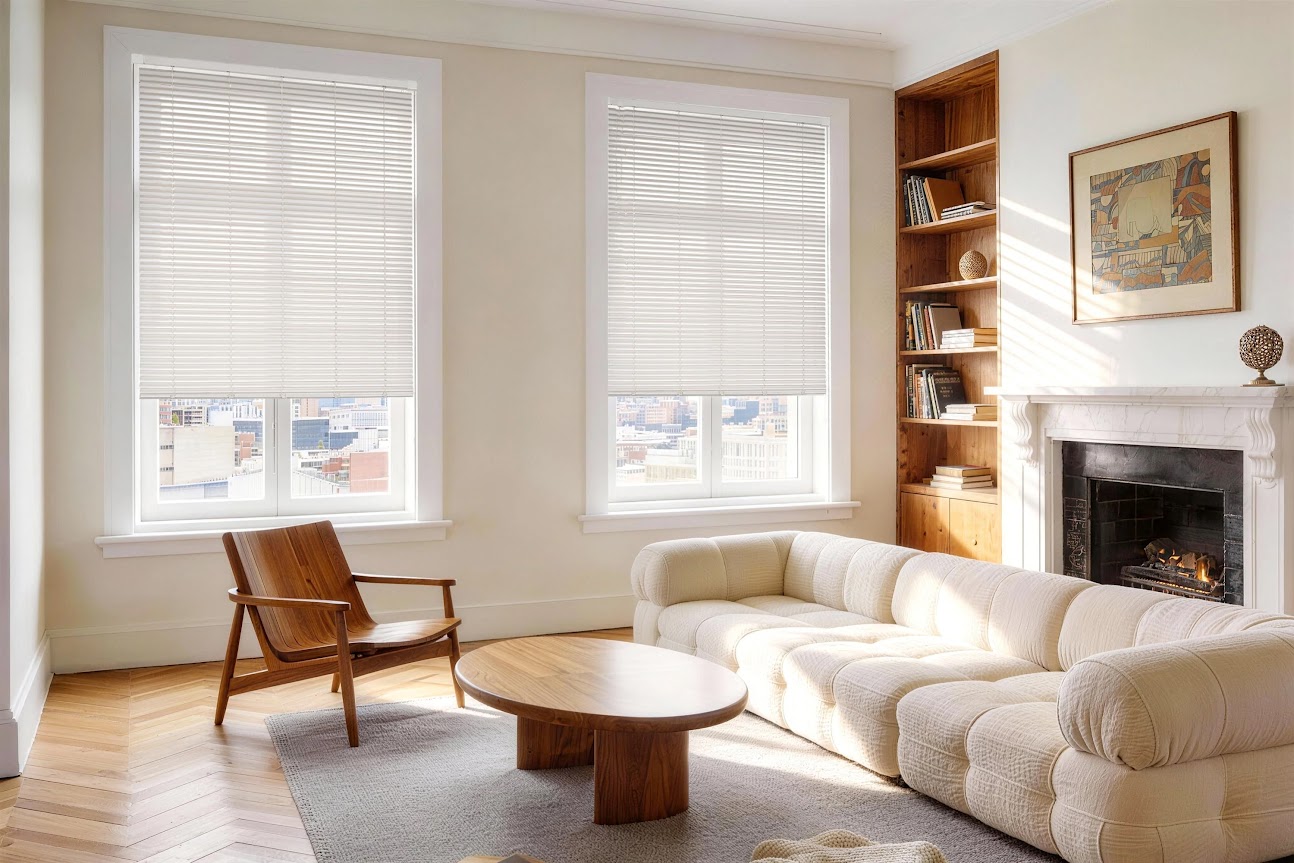
The living room reflects the homeowner’s personal style and aesthetic preferences. Installing wooden blinds on living room windows creates a warm, sophisticated atmosphere while introducing a natural decorative accent.
For living rooms with abundant natural light, choose blind colors that harmonize with the flooring, sofa, and wall colors. Lighter shades are often suitable for contemporary apartments, while deep brown tones can create a striking impression in larger spaces.
3.2. Wooden Blinds for Bedrooms
In bedrooms, wooden blinds help reduce incoming light and enhance privacy. Soft wood tones create a relaxing atmosphere, making them well suited to spaces designed for rest and relaxation.
If the bedroom has sun-facing windows or requires a high level of darkness, consider combining wooden blinds with blackout fabric curtains. This dual-layer solution adds depth to the interior design while providing greater control over light.
3.3. Wooden Blinds for Home Offices and Workspaces
With their streamlined design and adjustable light control, wooden blinds are suitable for home offices, meeting rooms, and various office environments.
They help reduce direct sunlight falling on desks, making the workspace more comfortable when using computers. Neutral colors are recommended to maintain a professional appearance and prevent the interior from looking visually cluttered.
3.4. Wooden Blinds for Restaurants, Hotels, and Commercial Spaces
In hospitality and commercial settings, window coverings serve not only a functional purpose but also contribute to the overall brand image. Wooden blinds can be installed in reception areas, private dining rooms, hotel rooms, and spaces designed to create a natural, welcoming atmosphere.
For environments with high humidity, it is essential to carefully consider the material, protective coating, and manufacturer's usage recommendations. Standard natural wood blinds should not be installed in areas frequently exposed to water or moisture unless the product is specifically designed for such conditions.
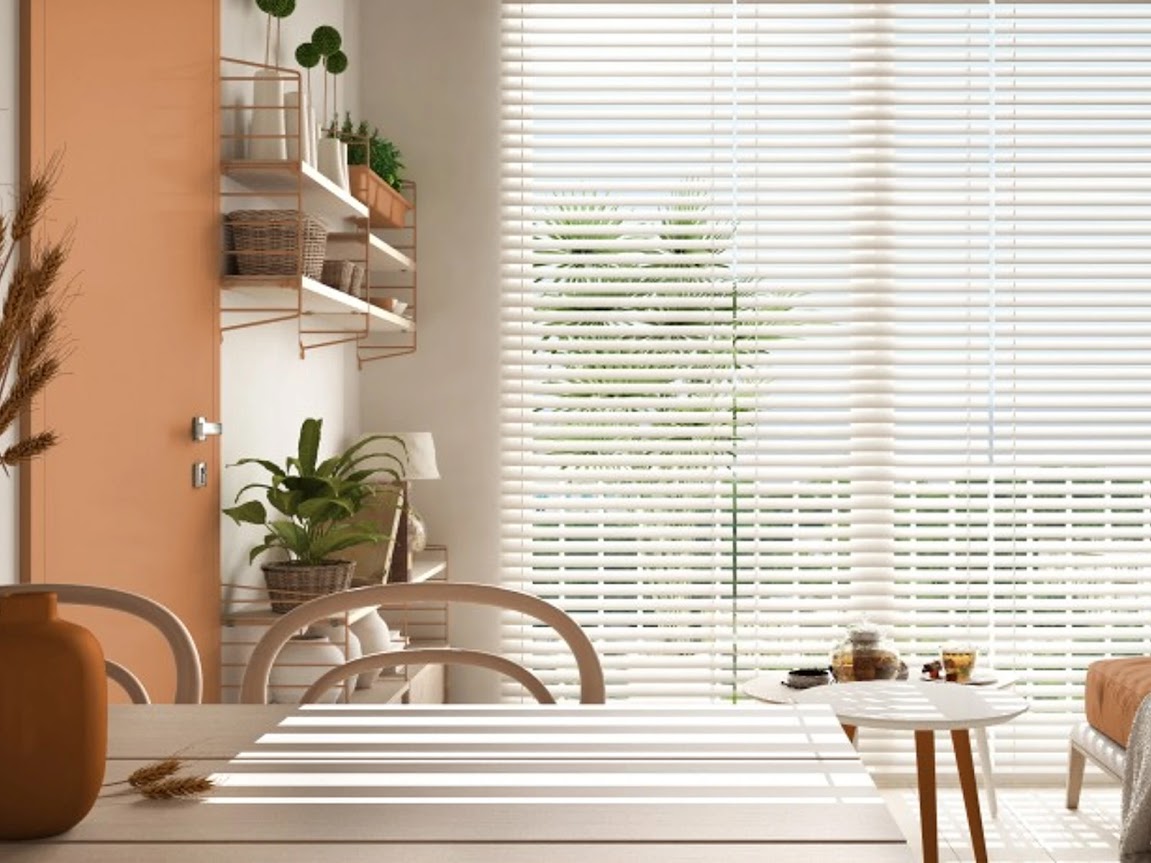
4. Should You Choose Natural Wooden Blinds or Faux Wood Blinds?
This is a common question among customers looking to purchase wooden blinds. The right choice depends on your needs, budget, and installation environment.
Natural Wooden Blinds
Natural wooden blinds stand out for their unique grain patterns, rich colors, and the distinctive beauty of each individual slat. They are ideal for spaces where aesthetics and coordination with wooden furniture are key priorities.
However, natural wood requires proper care to minimize the effects of humidity, temperature fluctuations, and prolonged sun exposure. Prices may also be higher depending on the type of wood, product specifications, and finish quality.
Faux Wood Blinds
Faux wood blinds are typically made from materials such as PVC or composite, depending on the product range. Their surfaces feature textured finishes designed to replicate the appearance of natural wood. Some models offer better moisture resistance than natural wood, making them suitable for environments with more demanding usage conditions.
Nevertheless, heat resistance, color durability, and suitability for different environments depend on the specific material. Customers should check the product specifications and warranty policy before making a decision.
Our recommendation: If you prioritize natural beauty and a seamless match with premium wooden interiors, natural wooden blinds are worth considering. If you need a solution that is easier to maintain in relatively humid areas, explore faux wood blinds specifically designed for those conditions.
5. Tips for Choosing Beautiful and Durable Wooden Blinds
To find the right wooden blinds for your space, consider the following important factors.
Identify the Installation Location
Evaluate the window orientation, sunlight intensity, humidity levels, and frequency of use before selecting a material. Windows exposed to strong sunlight require careful consideration of color durability and heat resistance, while humid areas call for materials suited to those conditions.
Choose Harmonious Colors
The color of your blinds should complement the flooring, window frames, furniture, or the room's overall color scheme. If you are unsure which shade to choose, neutral wood tones are generally versatile and timeless.
Check the Window Measurements
Accurate measurements are essential to ensure proper operation and an attractive appearance. Depending on the window design, blinds can be installed inside or outside the window frame. Each installation method has different measurement requirements and space considerations.
Pay Attention to the Control Mechanism
Pull cords, ladder cords, slat-tilting mechanisms, and other accessories directly affect the user experience. Check their durability, smooth operation, and the supplier's warranty policy before purchasing.
Choose a Reputable Supplier
A professional supplier should provide clear advice on materials, colors, installation options, lead times, and maintenance requirements. Whenever possible, examine physical samples to assess the actual colors and surface finishes before placing an order.
6. How to Clean and Maintain Wooden Blinds
Proper cleaning and maintenance help preserve the beauty of wooden blinds and prevent damage over time.
Step 1: Remove dust regularly. Tilt the slats to access their surfaces, then use a soft brush or dry cloth to remove dust and debris.
Step 2: Clean light stains. Use a slightly damp soft cloth if permitted by the manufacturer's instructions, and dry the surface immediately afterward. Avoid allowing water to accumulate between the joints or on wooden surfaces.
Step 3: Inspect the accessories. Check the pull cords, tilting mechanisms, and mounting points for signs of looseness, wear, or irregular operation.
Step 4: Minimize environmental damage. Avoid pulling the blinds too forcefully, prevent impacts against the slats, and follow the care instructions specific to the material.
For natural wooden blinds, limiting prolonged exposure to high humidity is particularly important. If the blinds are installed in areas exposed to strong sunlight, consult your supplier about the protective finish and appropriate maintenance methods.
7. How Much Do Wooden Blinds Cost?
The price of wooden blinds depends on several factors, including material, dimensions, origin, color, control mechanisms, and installation complexity. Natural wooden blinds and faux wood blinds may also vary in price depending on their respective product ranges.
In addition to the product cost, customers should confirm whether the quotation includes measuring services, accessories, delivery, and installation. For projects involving multiple windows, an on-site assessment can help ensure accurate measurements and identify the most suitable solution.
Rather than comparing prices alone, consider material quality, finishing details, operating performance, and after-sales service. Choosing blinds that suit your environment and usage requirements can help optimize long-term value and reduce maintenance costs over time.
8. ZenDecor – Tailored Wooden Blind Solutions for Every Space
Choosing window blinds is not simply about finding a product to block sunlight; it is also an essential part of creating a cohesive interior design. The right wooden blinds should combine aesthetic appeal, flexible light control, privacy, and suitability for the intended environment.
ZenDecor focuses on providing window covering solutions tailored to each customer's architectural features, interior design preferences, and practical requirements. From selecting colors and materials to determining the most suitable installation method, careful consideration of every detail helps ensure that the blinds complement the overall space.
If you are looking for wooden blinds for your home, apartment, office, or commercial property, contact ZenDecor for professional advice on choosing the right solution. Investing in suitable window coverings can help create a comfortable, elegant living environment that reflects your personal style.
Wooden blinds are an excellent choice for those who appreciate natural beauty, streamlined designs, and flexible light control. They can be used in a variety of settings, from living rooms and bedrooms to offices and reception areas.
To choose wooden blinds that are both attractive and durable, consider the material, dimensions, color, installation conditions, and maintenance requirements. With the right guidance, wooden blinds can do more than meet your practical needs; they can also enhance the overall aesthetic appeal of your property.
>> See also: How to Combine Fabric Curtains and Roller Blinds for a More Luxurious Living Space
Related articles
View all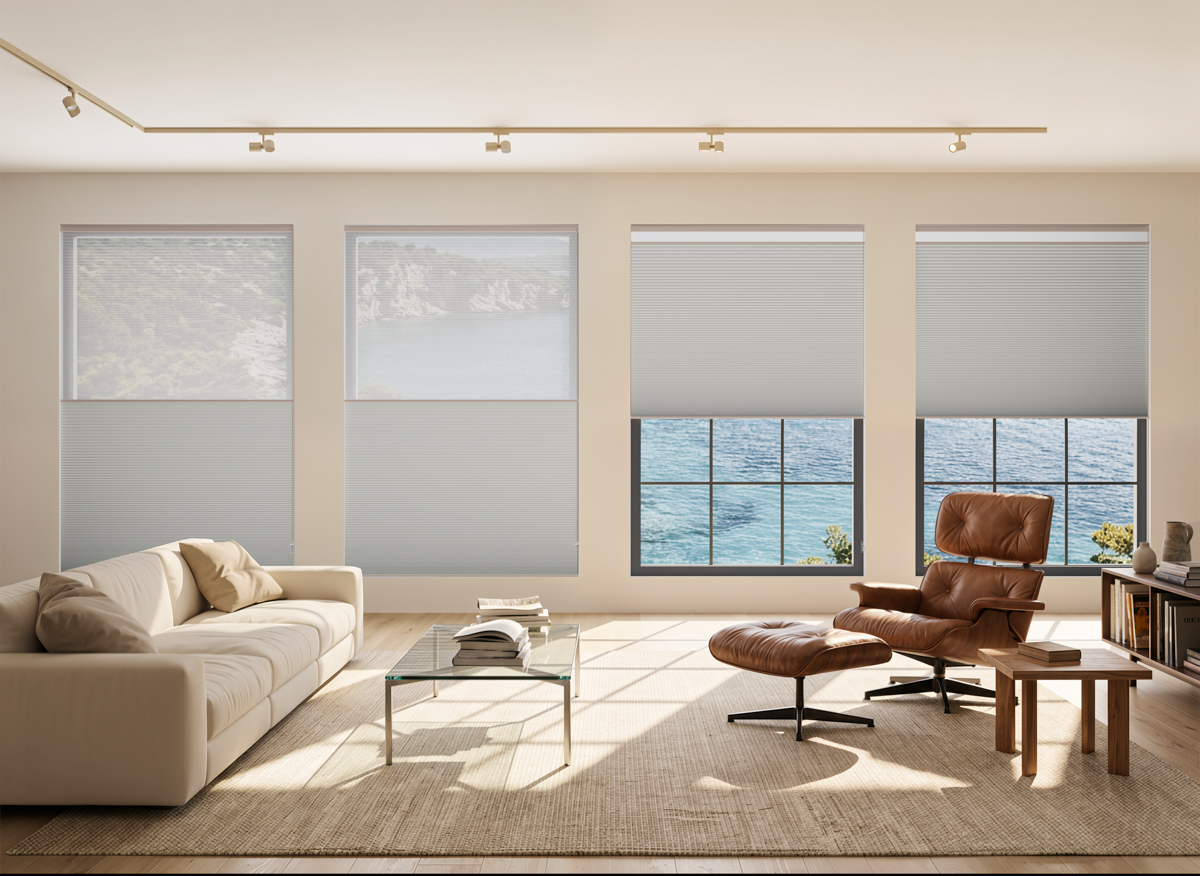
15 Beautiful Honeycomb Blinds to Make Your Windows Look Elegant and Sophisticated
Honeycomb blinds are more than just a practical solution for sun protection and light control; they are also an elegant design feature that enhances the beauty of modern living spaces. Featuring a distinctive honeycomb structure, a sleek design, and a refined color palette, these blinds create a perfect balance between functionality and interior aesthetics. From sophisticated living rooms and cozy bedrooms to contemporary apartments, each style helps create a private, comfortable, and stylish environment. Join ZenDecor as we explore 15 beautiful honeycomb blind designs that bring elegance to your windows and help you find the perfect solution for your home.
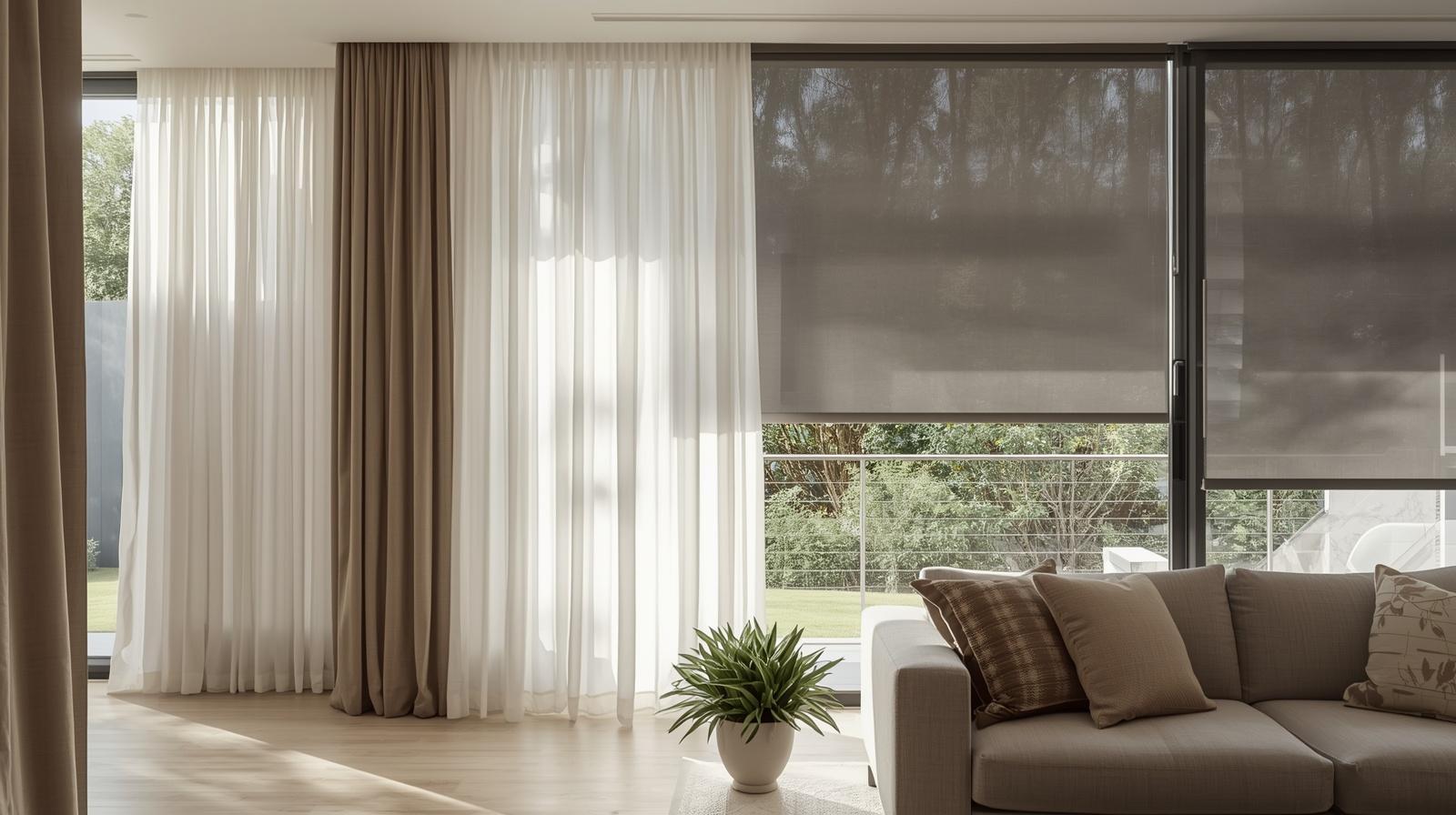
How to Combine Fabric Curtains and Roller Blinds for a More Luxurious Living Space
In modern interior design, curtains do more than provide shade and block sunlight; they also play an important role in enhancing the overall aesthetics of a room. The right curtains can make a space feel warmer, more refined, and reflective of the homeowner’s personal style. Among today’s popular window treatment trends, combining fabric curtains with roller blinds stands out as an ideal solution, offering a harmonious balance of elegance, functionality, and modern appeal.
Premium Roller Blinds by ZENDECOR – A Modern and Elegant Sun-Shading Solution for Every Space
In modern interior design, premium roller blinds are increasingly popular thanks to their minimalist appearance, flexible light control, and versatility. In addition to helping reduce direct sunlight, roller blinds create a neat, elegant, and professional atmosphere in houses, apartments, offices, and showrooms.
Premium Double-Layer Curtains for Villas and Townhouses – Elevate Your Living Space with ZENDECOR
A beautiful set of curtains does more than provide sun protection; it also adds a distinctive touch to your living space. Premium double-layer curtains combine thick, elegant fabric with delicate sheer voile to create a soft, sophisticated, and captivating look for villas and townhouses. Offering flexible light control and enhanced privacy, these curtains also bring warmth and comfort to every room. Discover the perfect curtain solutions with ZENDECOR and transform every corner of your home into a refined and inviting living space.