
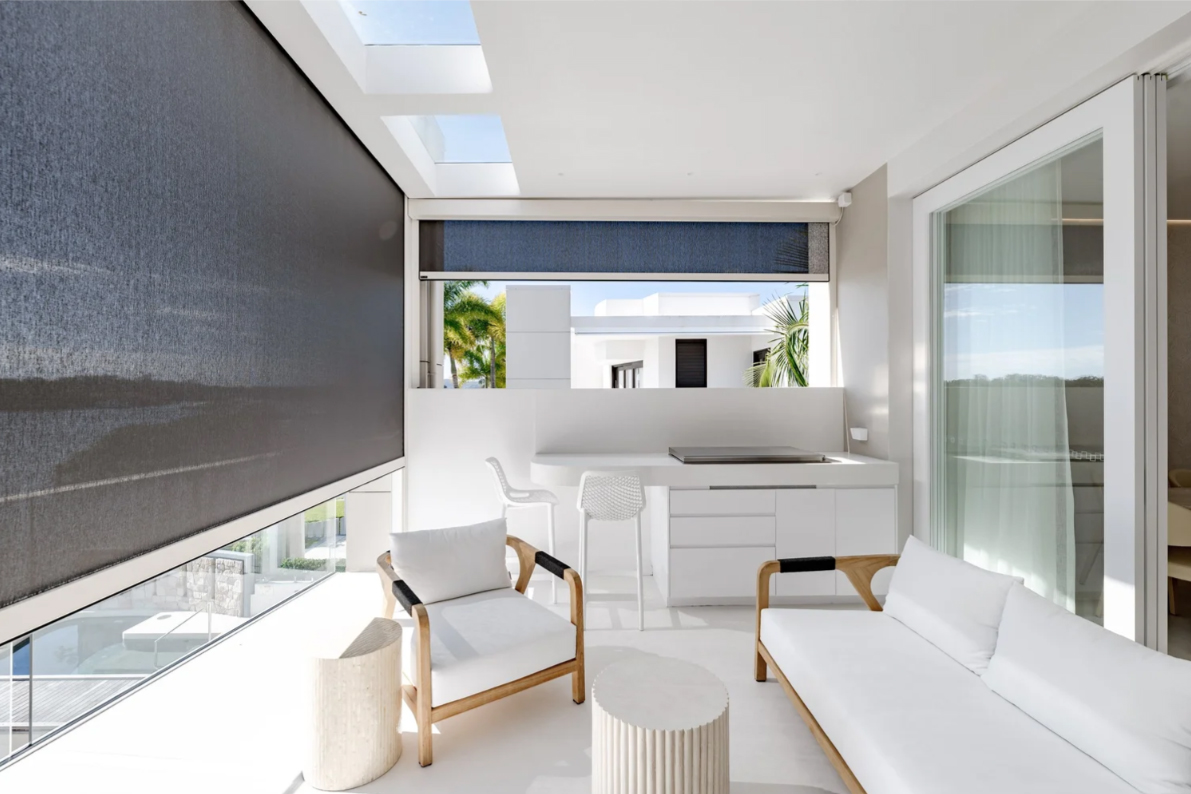
Rèm Zipscreen Chống Nắng: Lựa Chọn Hoàn Hảo Cho Ban Công, Sân Thượng Và Hiên Nhà
Ban công nóng bức, sân thượng nắng gắt hay hiên nhà thiếu không gian thư giãn? Rèm Zipscreen chống nắng chính là giải pháp đáng cân nhắc giúp bạn tận dụng tối đa những khoảng không gian ngoài trời. Không chỉ hỗ trợ che nắng, giảm chói, rèm còn mang đến vẻ đẹp hiện đại, tinh tế và khả năng điều chỉnh linh hoạt theo nhu cầu sử dụng. Hãy cùng ZENDECOR tìm hiểu vì sao rèm Zipscreen ngày càng được ưa chuộng trong các công trình nhà ở, biệt thự, quán cà phê và khu nghỉ dưỡng.
English Translation
In modern home design, balconies, rooftop terraces, and porches are no longer merely secondary areas; they have become spaces for relaxation, unwinding, and enjoying nature. However, intense sunlight, high temperatures, wind-blown dust, and changing weather conditions can make outdoor areas less comfortable. This is one of the reasons why sun-blocking Zipscreen blinds are attracting increasing interest from homeowners, villa owners, café operators, and resort developers.
With their modern design, flexible sun protection, and smart operating mechanism, Zipscreen blinds are a practical solution for enhancing the comfort of outdoor spaces. They help reduce direct sunlight while providing greater privacy without compromising the feeling of openness and ventilation.
So, what are the outstanding features of sun-blocking Zipscreen blinds? Which spaces are they best suited for, and what should you consider when choosing them? Let’s explore the details with ZENDECOR in the following article.
1. What Are Sun-Blocking Zipscreen Blinds?
Zipscreen blinds are a type of outdoor roller blind that combines specialized screen fabric with a guiding track system on both sides. The edges of the fabric are designed to remain securely within the tracks, allowing the blind to move vertically while minimizing fabric displacement in windy conditions.
Unlike conventional roller blinds primarily designed for indoor use, Zipscreen blinds are engineered to provide sun protection in semi-outdoor or outdoor areas where installation conditions are suitable.
A Zipscreen blind system typically consists of the following main components:
-
Specialized screen fabric: Helps block sunlight, reduce glare, and limit UV exposure, depending on the material.
-
Side guiding tracks: Keep the fabric edges in position during operation.
-
Roller tube and cassette: Allow the fabric to roll up and down neatly.
-
Manual or motorized operating system: Available depending on the selected configuration.
-
Installation accessories: Selected to suit the dimensions and actual conditions of the project.
Thanks to this design, Zipscreen blinds provide flexible light control, enhance privacy, and contribute to a modern, sophisticated appearance for building façades.
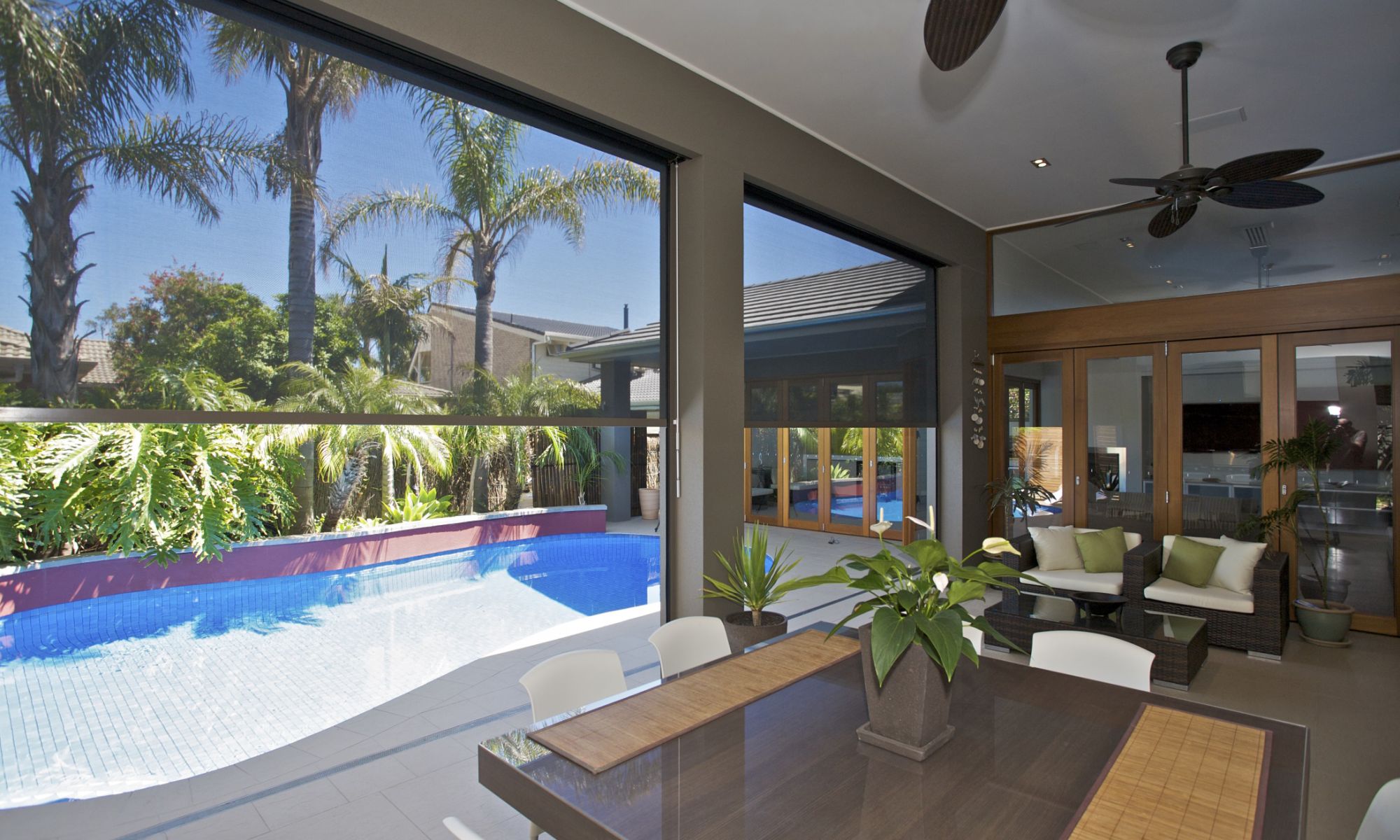
2. Why Choose Sun-Blocking Zipscreen Blinds for Outdoor Spaces?
2.1. Reduce Direct Sunlight
Balconies, rooftop terraces, and porches are frequently exposed to sunlight, especially during the hottest parts of the day. Intense sunlight can cause glare and make outdoor relaxation areas uncomfortably hot.
Zipscreen blinds allow users to lower the blinds when sun protection is needed and roll them up to enjoy natural light. Depending on the fabric type, color, and mesh openness, these blinds can help reduce light intensity and the amount of heat entering the covered area.
This is a suitable solution for homeowners who want to make better use of their balconies or rooftop terraces without having to construct fully enclosed walls.
2.2. Enhance Privacy for Your Family
For townhouses, apartments, and villas located close to neighboring buildings, balconies are often visible from the outside. This can affect the comfort of family members when relaxing, reading, or enjoying small meals together.
Zipscreen blinds help limit outside visibility depending on the fabric type, lighting conditions, and viewing angle. Mesh fabrics can maintain partial outward visibility under suitable lighting conditions, while more opaque fabrics can provide greater coverage and privacy.
It is important to note that visibility and privacy vary according to lighting conditions. At night, when indoor lights are switched on, people outside may still be able to see through certain types of mesh fabric.
2.3. Help Reduce Wind Drafts and Dust
The guiding track system helps keep the blind fabric more stable than some conventional roller blinds. When properly installed, Zipscreen blinds can help reduce wind drafts and limit dust entering the protected area.
However, Zipscreen blinds are not completely sealed door systems and cannot entirely prevent dust, rainwater, or strong winds from entering. Actual performance depends on the fabric material, system tightness, installation location, and weather conditions.
To choose the most suitable solution, homeowners should identify their primary needs, whether reducing sunlight, enhancing privacy, or limiting the effects of wind and wind-driven rain.
2.4. Enhance the Aesthetic Appeal of Your Property
Zipscreen blinds feature a clean, streamlined design with modern lines that complement a wide range of architectural styles.
In villas, they create an attractive focal point for porches and garden areas. In apartments, they help keep balconies looking neat and organized. At cafés, restaurants, and resorts, they provide flexible space division without the need to construct additional permanent partitions.
When coordinated with the colors of doors, aluminum frames, wall finishes, and interior furnishings, Zipscreen blinds can help create a cohesive and refined architectural appearance.
3. Popular Installation Locations for Sun-Blocking Zipscreen Blinds
3.1. Zipscreen Blinds for Apartment Balconies
Apartment balconies are often relatively compact but directly exposed to sunlight and wind. Installing Zipscreen blinds allows homeowners to adjust light levels according to different times of the day.
When relaxing, reading, or enjoying a cup of tea, homeowners can lower the blinds to reduce glare. When the weather becomes cooler and more pleasant, the blinds can be rolled up to welcome fresh air and make the most of natural light.
For balconies featuring tea tables, greenery, or laundry areas, selecting the right fabric helps balance sun protection, ventilation, and practical everyday needs.
Before installation, homeowners should check the apartment management's regulations regarding exterior blind installations, fixing points, and building safety requirements.
3.2. Zipscreen Blinds for Rooftop Terraces
Rooftop terraces are ideal spaces for relaxation, gardening, family gatherings, or outdoor living areas. However, intense sunlight and strong winds can make these spaces uncomfortable to use at certain times.
Zipscreen blinds can be installed along the open sides of covered areas or rooftop terraces to help reduce low-angle sunlight and create a more comfortable environment.
When combined with a roof canopy, outdoor furniture, and lighting systems, these blinds make rooftop spaces more versatile and enjoyable throughout the day.
For rooftop terraces on upper floors or in locations frequently exposed to strong winds, special attention should be paid to the supporting structure, anchoring points, load capacity, and wind direction. Zipscreen blinds should not be assumed to operate safely under all strong-wind conditions.
3.3. Outdoor Roller Blinds for Porches
A porch serves as a transitional area between indoor and outdoor spaces. It is also particularly susceptible to angled sunlight, wind-driven rain, and dust from nearby streets.
Installing Zipscreen blinds on a porch allows homeowners to control outdoor exposure when needed while maintaining a modern appearance for the building façade.
These blinds are suitable for various settings, including villa porches, townhouses, areas with large glass doors, and porches furnished with tea tables. For larger projects, homeowners may consider dividing the installation into multiple blind systems to simplify operation and maintenance.
3.4. Zipscreen Blinds for Cafés, Restaurants, and Resorts
For hospitality businesses, outdoor seating areas offer an enhanced customer experience but are also significantly affected by weather conditions.
Zipscreen blinds can be installed in garden areas, balconies, customer seating porches, or covered outdoor dining spaces. Adjusting the blinds throughout the day allows businesses to create more flexible environments while preserving views and maintaining a connection with the surrounding landscape.
At resorts and hotels, blind colors should be selected to complement the overall architectural style, creating a coordinated, professional, and premium appearance.
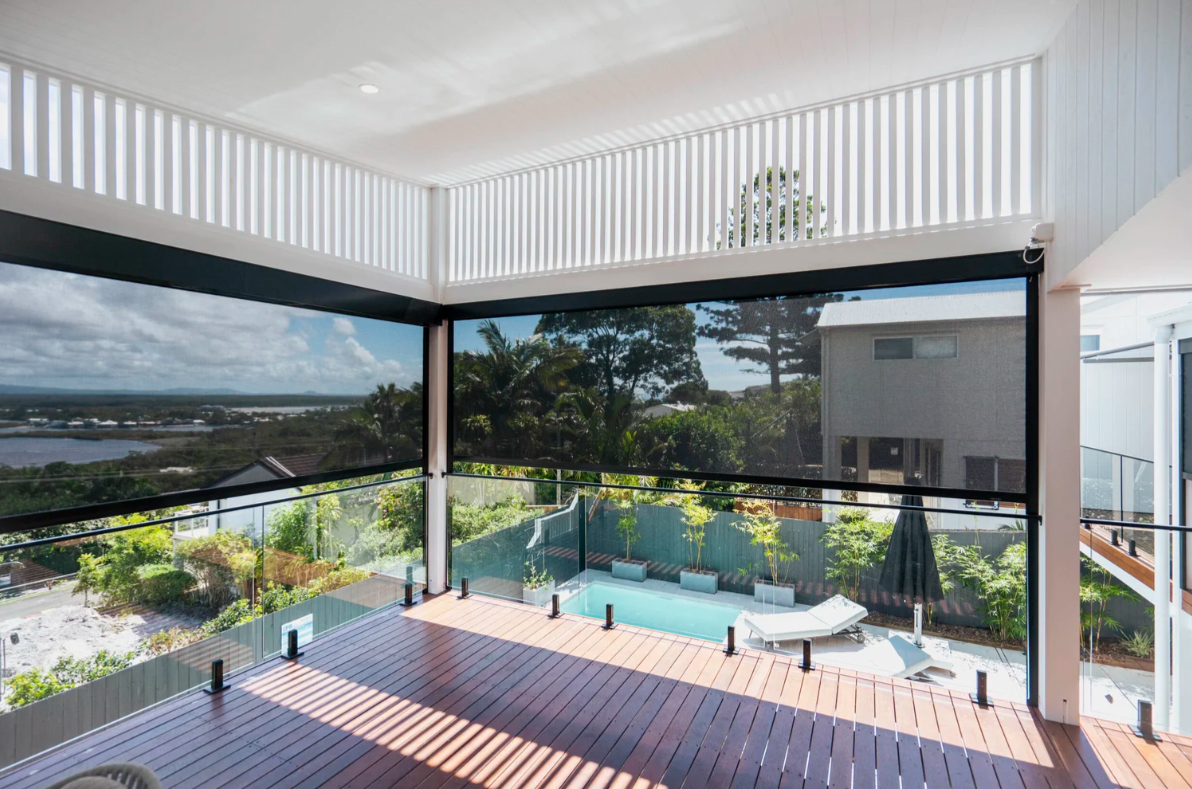
4. Key Features of Zipscreen Blinds
A Guiding Track System That Keeps the Fabric Stable
One of the key features that distinguishes Zipscreen blinds from many conventional roller blinds is their side guiding track system. The fabric edges remain secured within the tracks, helping minimize movement and fabric displacement under suitable operating conditions.
Flexible Light Control
Users can raise or lower the blinds according to their needs. When sun protection is required, the blinds can be lowered; when a more open view is desired, they can be rolled up.
A Wide Range of Fabric Materials and Colors
Depending on the supplier, Zipscreen blinds are available in specialized mesh fabrics and materials offering higher levels of coverage. Each material has different light transmission levels, visibility characteristics, and performance properties.
Fabric selection should take into account the sun's direction, installation area, desired level of privacy, and weather conditions at the property.
Optional Motorized Operation
For larger blind systems or installations at elevated locations, an electric motor can make raising and lowering the blinds more convenient. Depending on the selected configuration, some systems can also support remote control or smart home integration.
Before placing an order, it is advisable to confirm the operating mechanism, integration capabilities, and warranty coverage for the motor and accessories.
5. Which Zipscreen Fabric Should You Choose?
Fabric material directly affects sun protection, ventilation, and visibility through the blinds.
Mesh fabric with a suitable openness factor: Ideal for areas where reducing glare is important while maintaining an outward view. This type of fabric is often considered for balconies, porches, and covered outdoor seating areas.
Fabric with a higher level of coverage: Suitable for spaces where reducing direct sunlight and enhancing privacy are priorities. However, the actual light-blocking performance, heat transmission, and visibility should be verified using the specifications of each product.
Outdoor-grade fabrics and accessories: Choose materials that the manufacturer specifically identifies as suitable for the intended outdoor environment, particularly for installations frequently exposed to sunlight, humidity, or changing weather conditions.
When comparing fabric options, do not rely solely on color or visual appearance. Check the manufacturer's specifications for mesh openness, UV protection, colorfastness, and maintenance requirements.
6. Tips for Choosing the Right Sun-Blocking Zipscreen Blinds
To ensure a worthwhile investment, homeowners should consider several important factors before installation.
Determine the sun's direction: West-facing balconies typically receive strong afternoon sunlight, while other orientations have different exposure patterns. Understanding the direction of sunlight helps determine the appropriate level of coverage.
Measure dimensions accurately: The width, height, track positions, and mounting surfaces should be carefully assessed. Incorrect measurements can affect the operation and stability of the blinds.
Assess wind conditions: Properties on upper floors, rooftop terraces, or exposed locations require more careful evaluation. Choose a suitable configuration and follow the manufacturer's operating instructions during strong winds.
Choose the appropriate operating mechanism: Manual operation may be sufficient for smaller blind systems. For larger installations or multiple blind units, an electric motor is worth considering.
Plan your budget: Costs generally depend on the dimensions, fabric material, guiding track system, motor, accessories, and installation complexity. Request an itemized quotation to compare different options more effectively.
Check the warranty policy: Confirm the warranty periods for the fabric, motor, and accessories, along with the requirements for maintenance, cleaning, and troubleshooting.
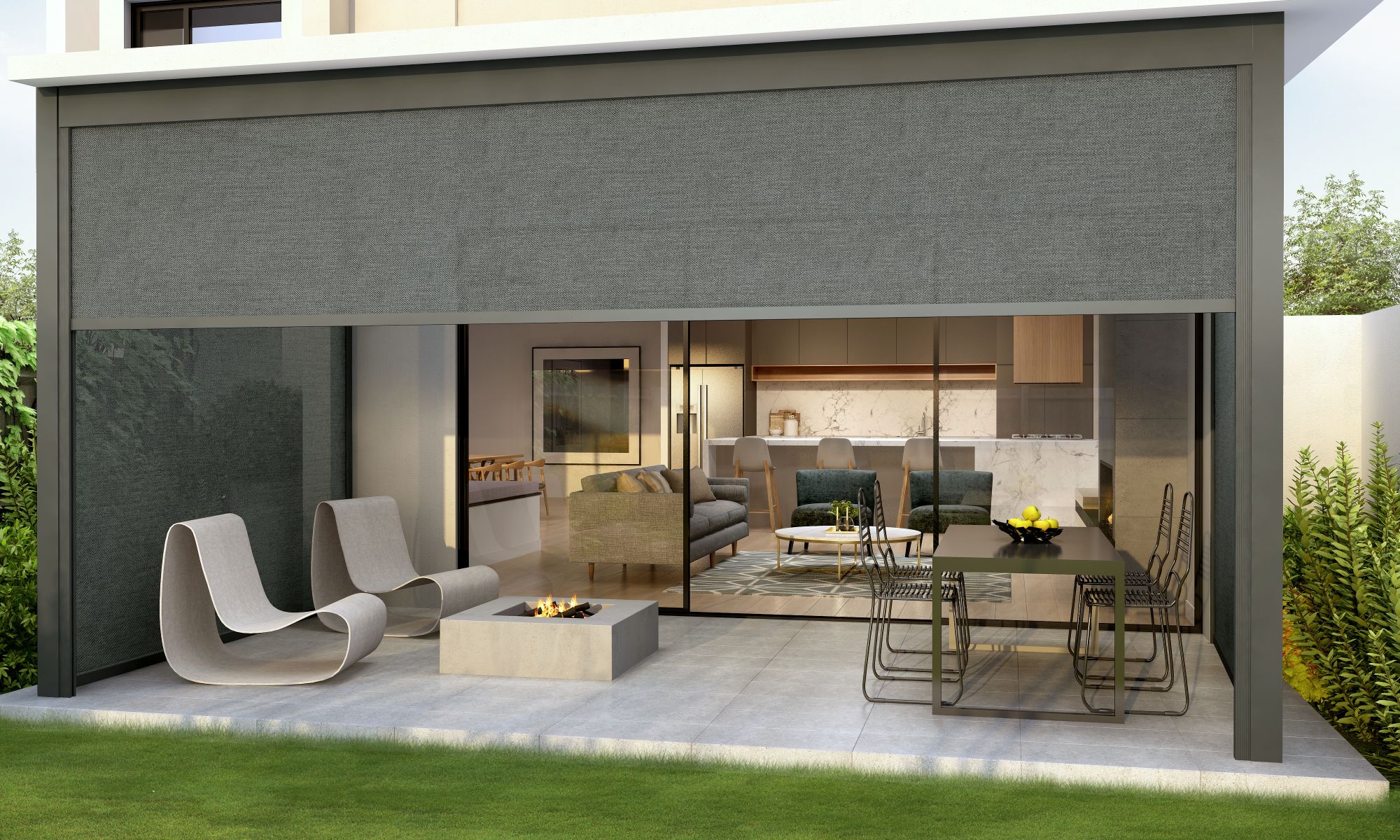
7. How to Maintain Zipscreen Blinds for Long-Lasting Performance
Proper maintenance helps ensure that your Zipscreen blind system operates smoothly and maintains its aesthetic appeal over time.
-
Regularly inspect the fabric surface and clean away dust according to the manufacturer's instructions.
-
Avoid using harsh cleaning chemicals unless their compatibility with the fabric material has been confirmed.
-
Periodically inspect the guiding tracks, mounting points, and accessories.
-
Do not force the blinds to move if the system shows signs of jamming or obstruction.
-
Follow the manufacturer's instructions for raising and lowering the blinds during strong winds or adverse weather conditions.
-
For motorized blinds, inspect the motor and power supply according to the installation provider's recommendations.
Importantly, Zipscreen blinds are not a complete substitute for glass doors, weatherproof door systems, or specialized wind barriers. If your property is frequently exposed to storms or severe weather, a comprehensive site assessment is recommended to determine the most suitable solution.
8. ZENDECOR – Zipscreen Blind Solutions for Modern Living Spaces
Choosing outdoor blinds involves more than simply finding a sun-blocking product. It requires balancing functionality, aesthetics, and the actual conditions in which the blinds will be used.
ZENDECOR offers blind solutions tailored to different spaces, from apartment balconies and townhouse rooftop terraces to villa porches, cafés, and resorts. Assessing the installation location, identifying sun protection requirements, and selecting suitable materials are essential steps toward achieving optimal performance.
When considering sun-blocking Zipscreen blinds, customers are encouraged to provide the approximate dimensions, photos of the installation area, sun exposure direction, and preferred operating method. This information helps facilitate more suitable recommendations for each project.
A properly selected blind system can make outdoor spaces more comfortable, versatile, and harmonious with the overall architectural design.
Sun-blocking Zipscreen blinds are a practical option for homeowners looking to make better use of their balconies, rooftop terraces, and porches. With their guiding track design, adjustable light control, and wide selection of materials, these blinds help improve outdoor comfort while maintaining a contemporary appearance.
Depending on sun exposure, wind conditions, privacy requirements, and budget, homeowners should choose a configuration that suits their specific needs rather than focusing solely on appearance.
If you are looking for outdoor roller blinds for your property, contact ZENDECOR for expert advice on selecting Zipscreen blinds that match your functional requirements and architectural style.
Read more: Honeycomb Blinds for Sun Protection and Thermal Insulation: Are They Worth the Investment?
Bài viết liên quan
Xem tất cả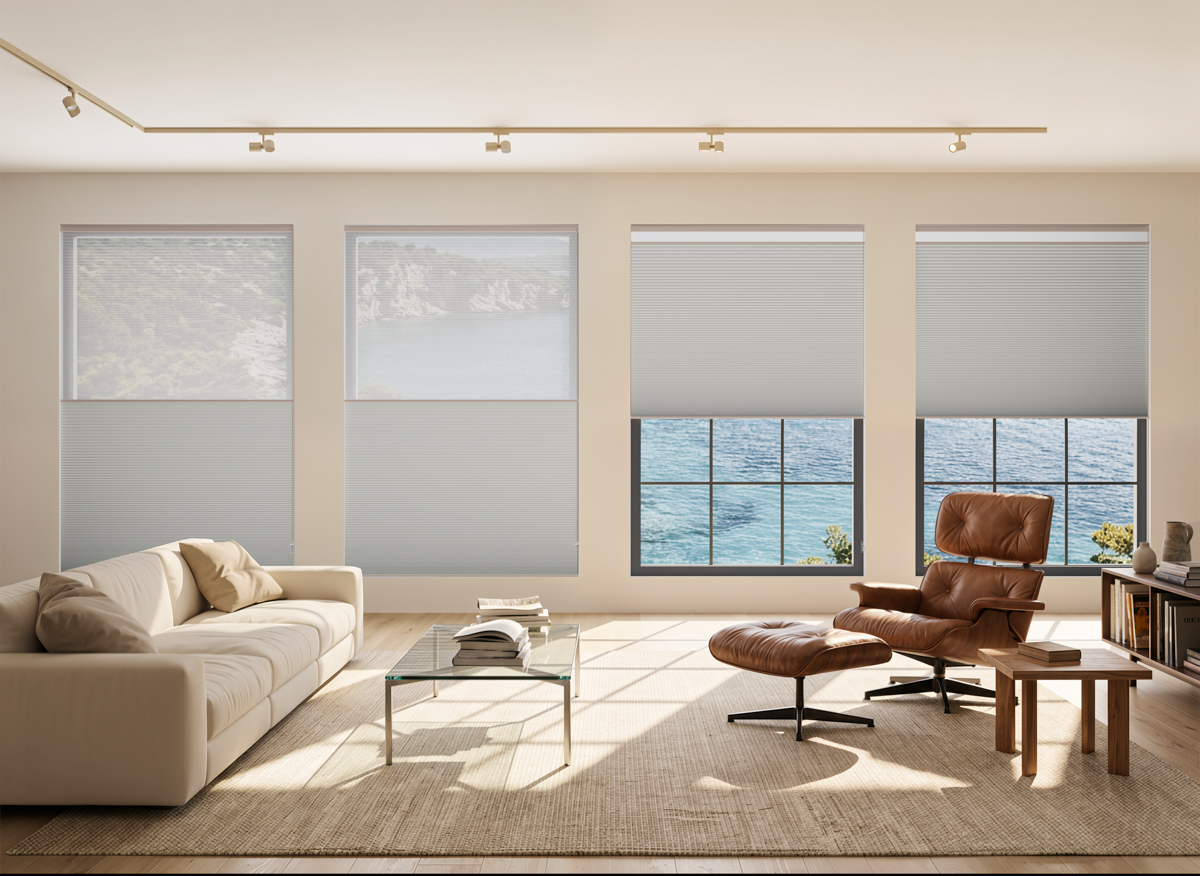
15 Mẫu Mành Honeycomb Đẹp Giúp Cửa Sổ Sang Trọng Và Tinh Tế
Mành honeycomb không chỉ là giải pháp che nắng, điều chỉnh ánh sáng mà còn là điểm nhấn tinh tế giúp nâng tầm thẩm mỹ cho không gian sống hiện đại. Với thiết kế tổ ong độc đáo, kiểu dáng gọn gàng cùng bảng màu thanh lịch, mành honeycomb mang đến sự hài hòa giữa công năng và vẻ đẹp nội thất. Từ phòng khách sang trọng, phòng ngủ ấm cúng đến căn hộ chung cư hiện đại, mỗi mẫu mành đều góp phần tạo nên không gian riêng tư, tiện nghi và đẳng cấp. Cùng ZenDecor khám phá 15 mẫu mành honeycomb đẹp giúp cửa sổ thêm tinh tế và lựa chọn giải pháp phù hợp cho ngôi nhà của bạn.
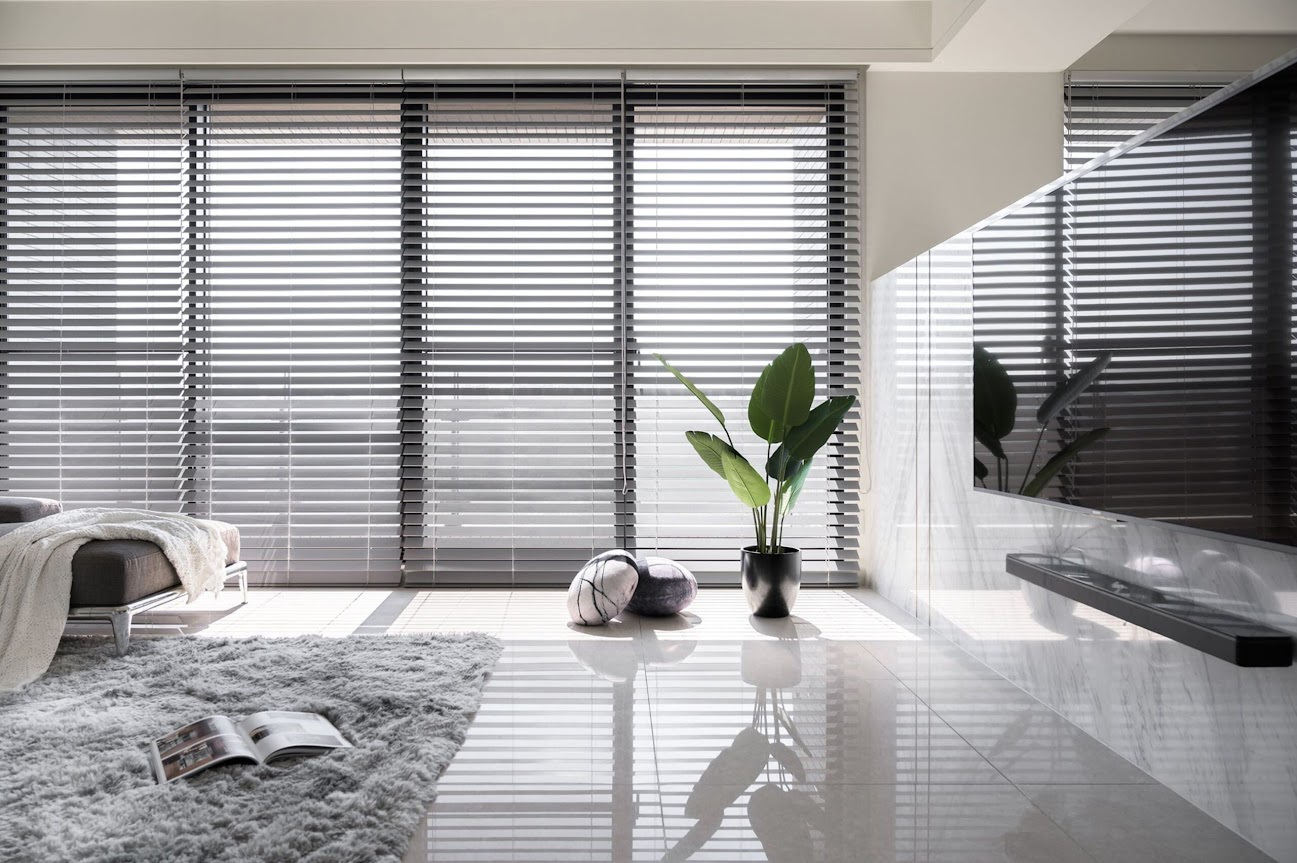
Rèm sáo gỗ cao cấp ZenDecor - Vẻ Đẹp Tự Nhiên Cho Không Gian Sống Sang Trọng
Rèm sáo gỗ là lựa chọn hoàn hảo dành cho những ai yêu thích vẻ đẹp tinh tế, sang trọng và gần gũi với thiên nhiên. Với thiết kế các lá rèm ngang hiện đại, đường vân gỗ ấn tượng cùng gam màu ấm áp, sản phẩm không chỉ giúp điều chỉnh ánh sáng linh hoạt, tăng tính riêng tư mà còn tạo điểm nhấn đẳng cấp cho mọi không gian. Từ phòng khách, phòng ngủ đến văn phòng hay khách sạn, rèm sáo gỗ dễ dàng kết hợp với nhiều phong cách nội thất, mang đến vẻ đẹp hài hòa và đầy cuốn hút. Cùng ZenDecor khám phá giải pháp rèm sáo gỗ đẹp, tinh tế, góp phần kiến tạo không gian sống tiện nghi và đậm dấu ấn riêng.
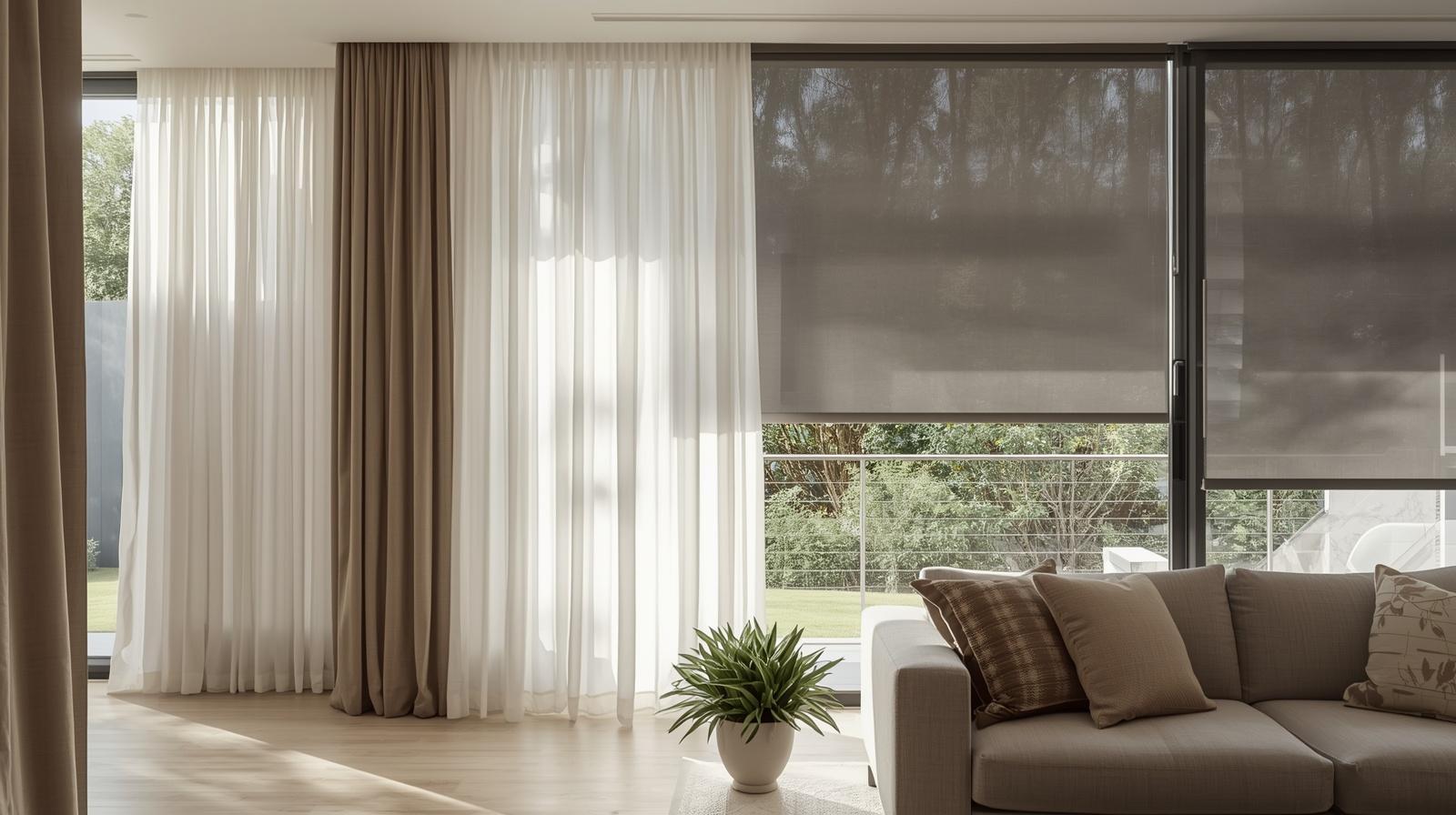
Cách Phối Rèm Vải Với Rèm Cuốn Giúp Không Gian Sống Sang Trọng Hơn
Trong thiết kế nội thất hiện đại, rèm cửa không chỉ có tác dụng che nắng, cản sáng mà còn là yếu tố quan trọng góp phần tạo nên vẻ đẹp tổng thể của căn phòng. Một bộ rèm phù hợp có thể giúp không gian trở nên ấm cúng, tinh tế và thể hiện rõ phong cách của gia chủ. Trong số những xu hướng trang trí cửa sổ được nhiều người quan tâm hiện nay, rèm vải kết hợp rèm cuốn là giải pháp nổi bật nhờ sự kết hợp hài hòa giữa tính thẩm mỹ và công năng sử dụng.
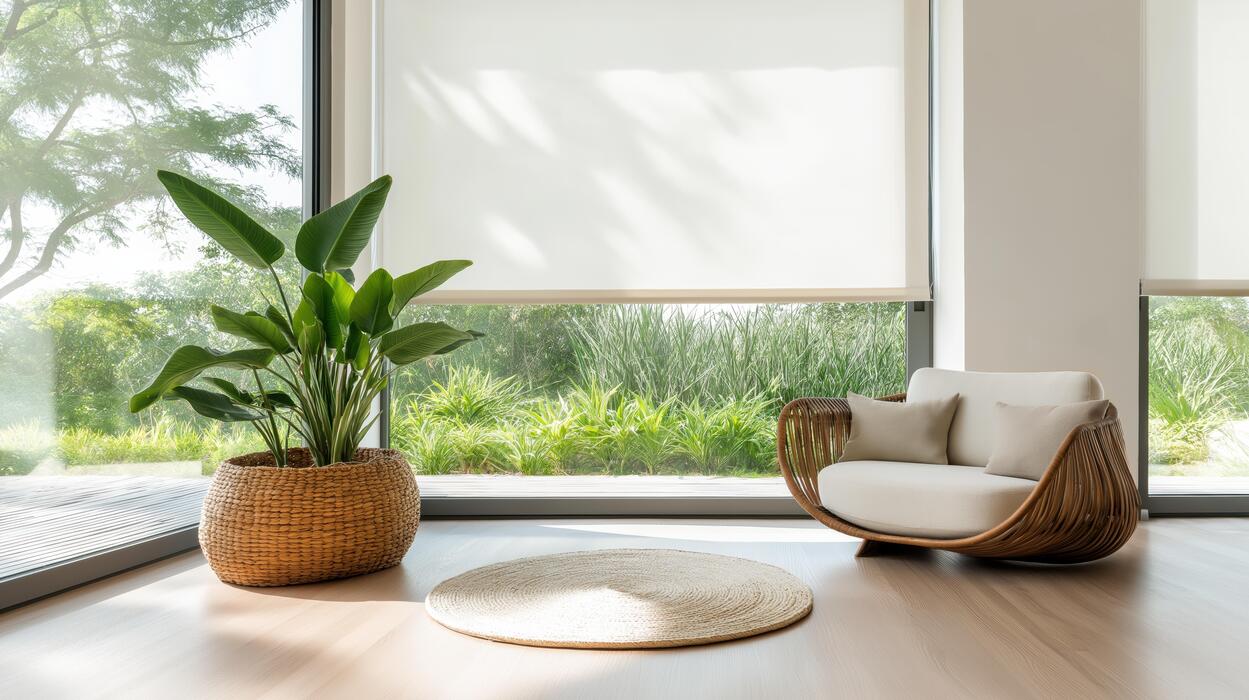
Mành Cuốn Cao Cấp ZENDECOR – Giải Pháp Che Nắng Hiện Đại, Tinh Tế Cho Mọi Không Gian
Trong xu hướng thiết kế nội thất hiện đại, mành cuốn cao cấp ngày càng được ưa chuộng nhờ kiểu dáng tối giản, khả năng điều chỉnh ánh sáng linh hoạt và tính ứng dụng cao. Không chỉ giúp hạn chế nắng chiếu trực tiếp, mành cuốn còn góp phần tạo nên không gian gọn gàng, tinh tế và chuyên nghiệp cho nhà ở, căn hộ chung cư, văn phòng hay showroom.